If rainwater keeps sneaking into your garage, you’re probably asking: how to stop water from coming under garage door effectively and permanently. This issue is more common than you think—and if ignored, it can lead to mold, damage, and costly repairs. The good news? There are simple, practical solutions you can apply right away.
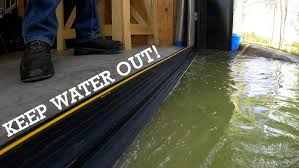
How To Stop Water From Coming Under Garage Door (Quick Answer)
To stop water from entering under your garage door, you need to:
- Install a bottom door seal
- Add a garage threshold seal
- Improve drainage and slope outside
Read too: Tc1 Tricode Garage Door Opener Remote W/ Clip Chamberlain: Complete Guide
In most cases, combining two or more of these solutions gives the best results.
Why Is Water Coming Under Your Garage Door?
Understanding the cause helps you fix the problem faster.
Common Causes:
- Worn-out or missing weather stripping
- Uneven garage floor
- Poor driveway slope
- Heavy rain or flooding
- Cracks in concrete
According to building design principles explained in https://en.wikipedia.org/wiki/Storm_drain, improper water drainage is one of the leading causes of water intrusion in residential areas.
What Is the Most Effective Way to Stop Water?
There’s no single fix for every situation. Instead, think in layers:
Best Combined Solution:
- Replace bottom seal
- Install threshold barrier
- Improve drainage outside
This approach can reduce water entry by up to 90% in most homes.
Solution 1: Replace the Garage Door Bottom Seal
The bottom seal (also called weather stripping) prevents water from slipping under the door.
Signs You Need a New Seal:
- Cracks or brittleness
- Gaps between door and floor
- Visible daylight under door
Step-by-Step Installation:
- Remove old seal from track
- Clean the bottom edge of the door
- Slide in new rubber seal
- Trim excess material
- Test door closure
Recommended Specs:
- Material: EPDM rubber
- Thickness: 0.5–1 inch
- Temperature tolerance: -40°F to 140°F
Solution 2: Install a Garage Door Threshold Seal
A threshold seal acts as a barrier on the floor.
Benefits:
- Blocks water even during heavy rain
- Works with uneven floors
- Durable and long-lasting
Installation Steps:
- Clean and dry garage floor
- Apply adhesive evenly
- Place threshold (height: 0.5–1 inch)
- Press firmly and let cure (24 hours)
Solution 3: Improve Driveway Drainage
Water often enters because it flows toward your garage.
Fixes:
- Add a drain channel in front of the garage
- Adjust driveway slope (minimum 1–2% incline)
- Install trench drains
Solution 4: Seal Cracks in Concrete
Small cracks allow water to seep through.
How to Fix:
- Clean cracks thoroughly
- Use concrete sealant
- Smooth with a putty knife
- Let dry for 24–48 hours
Solution 5: Use a Garage Door Rain Guard
A rain guard (or drip edge) is installed above the door.
Benefits:
- Redirects rain away from door
- Reduces water pressure at base
- Easy to install
Comparison: Which Solution Works Best?
| Solution | Effectiveness | Cost | Difficulty |
|---|---|---|---|
| Bottom Seal Replacement | High | Low | Easy |
| Threshold Seal | Very High | Medium | Easy |
| Drainage Improvement | Very High | High | Moderate |
| Crack Sealing | Medium | Low | Easy |
| Rain Guard | Medium | Low | Easy |
Step-by-Step: Complete Waterproofing Setup
For best results, follow this full system:
Step 1: Inspect the Area
- Check for gaps, cracks, and slope issues
Step 2: Replace Bottom Seal
- Ensure tight contact with floor
Step 3: Install Threshold Seal
- Create a barrier against water flow
Step 4: Improve Drainage
- Redirect water away from garage
Step 5: Test with Water
- Use a hose to simulate rain
- Check for leaks
Pros vs Cons of Waterproofing Your Garage
Advantages
✔ Prevents water damage
✔ Reduces mold and mildew
✔ Protects stored items
✔ Improves home value
Disadvantages
✘ Initial installation cost
✘ May require multiple solutions
✘ Some fixes need maintenance
Expert Insight: Why Layered Protection Works
Home improvement experts recommend combining sealing and drainage solutions. Studies show that multi-layer waterproofing systems are 2–3 times more effective than single fixes.
This is because:
- Seals block entry points
- Drainage reduces water pressure
- Barriers add extra protection
Common Mistakes to Avoid
- Only replacing the seal without fixing drainage
- Ignoring uneven floors
- Using low-quality materials
- Skipping proper surface cleaning
- Not allowing adhesives to cure fully
How Much Does It Cost to Fix?
Average Costs:
- Bottom seal: $20–$50
- Threshold seal: $50–$150
- Drain installation: $200–$1,000+
DIY solutions can save up to 70% compared to professional services.
FAQ: Garage Water Leak Solutions
Q1: How to stop water from coming under garage door permanently?
A: Use a combination of bottom seal, threshold barrier, and proper drainage.
Q2: Why does water come into my garage during rain?
A: Usually due to poor drainage, worn seals, or uneven flooring.
Q3: Does a garage door seal really work?
A: Yes, it can block most water if installed correctly.
Q4: What is the best seal for garage doors?
A: EPDM rubber seals are durable and weather-resistant.
Q5: Can I fix this problem myself?
A: Yes, most solutions are DIY-friendly and require basic tools.
Q6: Do I need a drain system?
A: Only if water flow toward your garage is severe.
Conclusion
Now you know exactly how to stop water from coming under garage door using practical, proven solutions. Whether it’s replacing a seal, adding a threshold, or improving drainage, each step brings you closer to a dry, protected garage.
If this guide helped you, consider sharing it with friends or family. It might save them from costly water damage and frustration!
Leave a Reply