Noticing drafts, water leaks, or pests sneaking into your garage? That’s often a sign your bottom seal is worn out. Many homeowners search for how to replace the rubber seal on a garage door because it’s a simple upgrade that improves insulation, cleanliness, and energy efficiency.
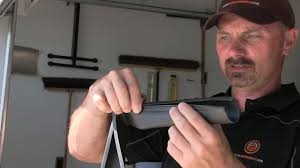
What Is a Garage Door Rubber Seal and Why Is It Important?
The rubber seal—also known as a weather seal—runs along the bottom of your garage door.
Read too: Tc1 Tricode Garage Door Opener Remote W/ Clip Chamberlain: Complete Guide
Its main functions:
- Blocks dust, rain, and debris
- Keeps insects and rodents out
- Improves insulation
- Reduces energy loss
💡 According to home improvement data, proper sealing can reduce energy loss by up to 15% in attached garages.
To learn more about garage door systems, visit:
https://en.wikipedia.org/wiki/Garage_door
Signs You Need to Replace the Rubber Seal
Before replacing it, confirm it’s actually worn out.
Common Warning Signs:
- Cracks or brittleness in the rubber
- Visible gaps under the door
- Water entering during rain
- Increased dust or pests
- Higher energy bills
👉 Most seals last 3–5 years, depending on climate and usage.
Types of Garage Door Bottom Seals
Choosing the right seal is important for a proper fit.
Common Types:
| Type | Description | Best For |
|---|---|---|
| T-End Seal | Slides into track channels | Most modern doors |
| Bulb Seal | Rounded bottom for uneven floors | Older garages |
| Beaded Seal | Circular edges fit into retainers | Specific door models |
| J-Type Seal | Flexible edges for tight sealing | Weather-prone areas |
Tools and Materials You’ll Need
Prepare everything before starting.
Tools:
- Measuring tape
- Flathead screwdriver
- Utility knife
- Pliers
Materials:
- New rubber seal (correct type and size)
- Lubricant (optional, silicone-based)
How To Replace The Rubber Seal On A Garage Door (Step-by-Step)
Follow these steps carefully for a smooth replacement.
Step 1: Measure the Garage Door Width
Accuracy matters.
Steps:
- Measure the full width of the door
- Add 2–3 inches extra for trimming
📏 Example: For a 9 ft door, buy at least 9 ft 3 in of seal.
Step 2: Remove the Old Rubber Seal
This may take a bit of effort.
Steps:
- Lift the garage door fully
- Locate the track retainer at the bottom
- Pull the old seal out from one side
- Use pliers if stuck
👉 If hardened, cut it into sections for easier removal.
Step 3: Clean the Track Retainer
A clean track ensures smooth installation.
Steps:
- Remove dirt and debris
- Wipe with a dry cloth
- Check for damage or rust
Step 4: Prepare the New Seal
Before installing:
Steps:
- Lay the seal flat in the sun for 10–15 minutes
- This softens the rubber for easier sliding
Step 5: Insert the New Seal into the Track
This is the most important step.
Steps:
- Align the seal ends with the track channels
- Slide both sides into the grooves simultaneously
- Pull steadily across the entire width
💡 Applying a small amount of silicone lubricant can make sliding easier.
Step 6: Trim Excess Material
Once installed:
Steps:
- Cut off extra length using a utility knife
- Leave about ½ inch on each side for flexibility
Step 7: Test the Seal
Make sure everything works properly.
Steps:
- Lower the garage door
- Check for gaps
- Ensure even contact with the floor
Common Problems and Solutions
| Problem | Cause | Solution |
|---|---|---|
| Seal won’t slide | Dirty track | Clean and lubricate |
| Seal too loose | Wrong type | Replace with correct model |
| Gaps remain | Uneven floor | Use bulb-type seal |
| Seal falls out | Worn retainer | Replace retainer |
DIY vs Professional Installation
DIY Installation
Pros:
- Low cost ($20–$50)
- Quick (30–60 minutes)
- Easy for beginners
Cons:
- Requires proper measurement
- Limited to minor issues
Professional Installation
Pros:
- Guaranteed fit
- Handles complex issues
Cons:
- Costs $100–$200
- Requires scheduling
How to Maintain Your Garage Door Seal
Extend the life of your new seal with simple care.
Maintenance Tips:
- Clean seal every 2–3 months
- Apply silicone lubricant twice a year
- Inspect for cracks regularly
- Avoid harsh chemicals
Benefits of Replacing the Rubber Seal
Advantages:
- Better insulation
- Lower energy bills
- Keeps pests out
- Protects garage contents
- Improves overall comfort
FAQ: How To Replace The Rubber Seal On A Garage Door
1. How long does it take to replace a garage door seal?
Most DIY replacements take 30–60 minutes, depending on experience.
2. Can I replace the seal without removing the door?
Yes. You only need to open the door fully—no removal required.
3. What type of seal should I choose?
It depends on your door model. T-end seals are the most common for modern doors.
4. Why is my new seal not sealing properly?
This could be due to uneven flooring or incorrect seal type.
5. How often should I replace the rubber seal?
Every 3–5 years, or sooner if you notice damage.
6. Is it worth replacing the seal?
Absolutely. It’s a low-cost upgrade with significant benefits for insulation and cleanliness.
Conclusion
Learning how to replace the rubber seal on a garage door is one of the easiest and most cost-effective home maintenance tasks. With just a few tools and simple steps, you can improve insulation, keep pests out, and protect your garage from the elements.
Whether you choose to DIY or hire a professional, replacing a worn seal is a smart investment that pays off in comfort and savings.
If you found this guide helpful, share it with others who might need to upgrade their garage door seal!
Leave a Reply