Working on a garage door can feel intimidating—especially when springs are involved. If you’re trying to figure out how to release tension on a garage door spring, you’re not alone. This guide will walk you through the process safely and clearly, helping you avoid costly mistakes or serious injuries.
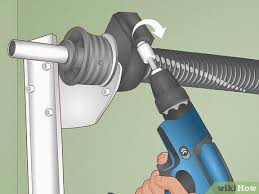
What Does Garage Door Spring Tension Mean?
Garage door springs store mechanical energy that helps lift and lower the heavy door. When we talk about “tension,” we’re referring to the force stored in the spring.
There are two main types:
- Torsion springs (mounted above the door)
- Extension springs (mounted along the sides)
Read too: Tc1 Tricode Garage Door Opener Remote W/ Clip Chamberlain: Complete Guide
These springs can handle hundreds of pounds of force, which is why releasing tension must be done carefully.
To better understand the mechanics, you can explore Torsion spring.
Why Would You Need to Release Spring Tension?
Releasing tension is often required before performing repairs or replacements.
Common reasons:
- Replacing a worn-out or broken spring
- Adjusting door balance
- Fixing uneven movement
- Performing general maintenance
📊 Industry insight: Most garage door springs last about 7–10 years or roughly 10,000 cycles, depending on usage.
Is It Safe to Release Garage Door Spring Tension Yourself?
Let’s be clear: this is one of the most dangerous DIY tasks in home maintenance.
Risks include:
- Sudden spring release causing injury
- Tools slipping under pressure
- Door سقوط (falling unexpectedly)
You can DIY if:
- You use the correct tools
- You follow safety steps exactly
- You understand your spring type
Call a professional if:
- You’re unsure about the process
- The spring is damaged or broken
- You lack proper tools
Tools You’ll Need
Before starting, prepare everything:
- Winding bars (essential for torsion springs)
- Adjustable wrench
- Locking pliers (vise grips)
- Safety gloves and goggles
- Stable ladder
⚠️ Never substitute winding bars with screwdrivers.
How To Release Tension On A Torsion Spring (Step-by-Step)
This is the most common and sensitive method.
Step 1: Disconnect Power and Close the Door
- Unplug the garage door opener
- Ensure the door is fully closed
👉 This prevents unexpected movement.
Step 2: Secure the Door
- Clamp locking pliers onto the track
- Place them just below the bottom roller
👉 This keeps the door from lifting during adjustment.
Step 3: Insert the Winding Bar
- Insert the winding bar into the winding cone
- Ensure it is fully seated
👉 You must maintain a firm grip at all times.
Step 4: Loosen the Set Screws
- Use a wrench to loosen screws slowly
- Expect a slight release of tension
⚠️ Keep your body to the side—not directly in front.
Step 5: Unwind the Spring Slowly
- Lower the winding bar carefully
- Insert the second bar into the next hole
- Continue unwinding in ¼-turn increments
👉 Typical guideline:
- 7-ft door → ~30 quarter turns to fully release
- 8-ft door → ~34 quarter turns
Step 6: Repeat for the Second Spring
If your system has two springs:
- Repeat the same process evenly
- Maintain balance to avoid door misalignment
How To Release Tension On Extension Springs
This type is simpler but still requires caution.
Steps:
- Open the garage door fully
- Clamp it securely in place
- Locate the spring hook
- Carefully disconnect or move it to reduce tension
👉 Always stand clear of the spring’s path.
Torsion vs Extension Springs (Quick Comparison)
| Feature | Torsion Springs | Extension Springs |
|---|---|---|
| Location | Above door | Alongside tracks |
| Tension Release | Requires winding bars | Manual hook adjustment |
| Safety Level | Moderate risk | Higher snap risk |
| Control | More precise | Less controlled |
Common Mistakes to Avoid
Avoid these at all costs:
- ❌ Using improper tools
- ❌ Standing directly in front of the spring
- ❌ Releasing tension too quickly
- ❌ Ignoring safety gear
- ❌ Working alone without backup
Pro Tips for Safer Results
- Always use two winding bars alternately
- Keep a firm, controlled pace
- Double-check clamps before starting
- Work in a well-lit environment
- Take breaks if you feel fatigued
📊 Safety note: Emergency room visits related to garage doors often involve improper spring handling—don’t rush this process.
Benefits of Releasing Spring Tension Properly
✔ Prevents accidents during repairs
✔ Extends lifespan of garage components
✔ Ensures smooth future operation
✔ Reduces strain on the opener
When You Should NOT Attempt This Yourself
Skip DIY and call a pro if:
- The spring is visibly broken
- The system is old or rusted
- You hear loud snapping noises
- You lack confidence or experience
👉 Professional service typically costs $150–$350, which may be worth the safety.
FAQ: How To Release Tension On A Garage Door Spring
1. How long does it take to release spring tension?
Usually 30–60 minutes for beginners, depending on experience and door type.
2. Can I release tension without winding bars?
No. Using improper tools is extremely dangerous and should never be attempted.
3. What happens if I release tension too quickly?
The spring can snap or spin violently, causing serious injury or damage.
4. Do both springs need to be released?
Yes, if your system uses two springs. They must be handled evenly to maintain balance.
5. Is it necessary before replacing a spring?
Absolutely. You must release all tension before removing or replacing a spring.
6. Can I reuse the spring after releasing tension?
Yes, if it’s still in good condition. Otherwise, replacement is recommended.
Conclusion
Understanding how to release tension on a garage door spring is essential for safe maintenance and repair. While it’s possible to do it yourself, this task requires patience, the right tools, and strict attention to safety.
Take your time, follow each step carefully, and never take shortcuts.
👉 If this guide helped you, share it with others on social media so they can stay safe while working on their garage doors too!
Leave a Reply