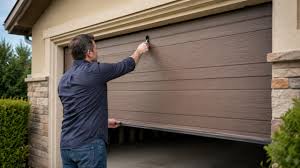
When a storm knocks out your electricity or your garage door opener malfunctions, being locked out of your garage can feel incredibly frustrating. Whether you need to retrieve important tools, access your vehicle, or simply get inside your home through the garage, knowing how to open garage door manually without power from outside is an essential skill every homeowner should master. This comprehensive guide will walk you through safe, effective methods to regain access to your garage during power outages or mechanical failures.
Why Manual Garage Door Access Matters During Emergencies
Power outages affect millions of American households annually, with the average U.S. customer experiencing approximately 8 hours of interruptions per year according to the Energy Information Administration. During these critical moments, your garage often serves as the primary entry point to your home or contains essential items like emergency supplies, vehicles, or work equipment.
Understanding manual operation isn’t just about convenience—it’s about safety and preparedness. Many homeowners discover too late that their garage door won’t budge without electricity, leaving them stranded or unable to access crucial resources during emergencies.
Understanding Your Garage Door System
Before attempting any manual operation, it’s important to understand the basic components at play. Most residential garage doors use a torsion spring system connected to an electric opener motor. When power fails, the motor disengages, but the door itself remains mechanically functional.
The key component you’ll interact with is the emergency release cord, typically red in color, which disconnects the door from the automated opener mechanism. This allows you to operate the door manually by lifting it along its tracks.
For detailed technical specifications about garage door mechanisms, you can reference Wikipedia’s comprehensive article on garage doors, which provides excellent background information on various door types and operating systems.
Method 1: Using the Emergency Release Cord (Most Common)
Step-by-Step Instructions
Step 1: Locate the Emergency Release Mechanism Stand outside your garage and look for a small hole or slot near the top center of the door, usually where the opener rail connects to the door. Many modern garage doors have an external key lock or a small access panel specifically designed for emergency entry.
Step 2: Access the Release Cord If your door has an exterior keyhole, insert your garage door key and turn it counterclockwise. This action pulls the emergency release cord internally, disengaging the opener from the door. You’ll hear a distinct “click” sound indicating successful disengagement.
Step 3: Lift the Door Manually Once disconnected, grasp the bottom edge of the garage door firmly with both hands. Lift steadily and smoothly—the door should move freely along its tracks. Most residential garage doors weigh between 100-400 pounds, so use your legs rather than your back to avoid injury.
Step 4: Secure the Door in Open Position After lifting the door completely, engage any manual locking mechanisms if present. Some doors have side locks that slide into place once the door reaches full height.
Important Safety Considerations
- Never attempt to lift a door that feels stuck or resistant
- Ensure children and pets are clear of the door path
- Keep your fingers away from moving parts and hinges
- If the door seems unusually heavy, stop immediately and call a professional
Method 2: External Key Lock Systems
Many newer garage door models come equipped with exterior key locks as a standard security feature. These locks provide direct access to the emergency release mechanism without requiring interior entry.
How It Works:
- Insert the provided key into the exterior lock cylinder
- Turn the key 90 degrees counterclockwise
- The internal cable activates the release mechanism
- Lift the door manually as described above
Advantages of Key Lock Systems:
- No need to access the garage interior first
- Provides secure emergency access
- Works independently of electrical systems
- Maintains security against unauthorized entry
Method 3: Manual Override for Smart Garage Doors
With the increasing popularity of smart garage door openers, many homeowners wonder about manual access options for these technologically advanced systems. The good news is that even smart openers include traditional manual override capabilities.
Special Considerations for Smart Openers:
Smart garage door systems still rely on the same fundamental mechanical principles as traditional openers. While they may offer app-based controls and WiFi connectivity, the physical door operation remains unchanged during power failures.
| Feature | Traditional Opener | Smart Opener |
|---|---|---|
| Manual Release | Standard red cord | Standard red cord |
| Battery Backup | Rarely included | Often available |
| External Access | Key lock optional | Key lock standard |
| App Control | Not applicable | Unavailable without power |
Troubleshooting Common Problems
Door Won’t Lift After Release
If you’ve successfully pulled the emergency release but the door refuses to lift, several issues might be occurring:
- Broken springs: Torsion springs bear most of the door’s weight. If broken, the door becomes extremely heavy and dangerous to lift manually.
- Track obstruction: Debris, ice, or damaged rollers can prevent smooth movement.
- Cable damage: Frayed or snapped cables compromise the lifting mechanism.
Warning: Never force a door that doesn’t lift easily. Broken springs store tremendous energy and can cause serious injury if handled improperly.
Lost or Missing Emergency Key
If you’ve lost your exterior key, contact your garage door manufacturer or a local locksmith. Many keys use standard codes that professionals can duplicate. As a temporary solution, you might access your garage through an interior door if available.
Weather-Related Complications
During winter months, ice buildup around door seals and tracks can prevent proper operation. Apply a silicone-based lubricant to tracks and rollers regularly to prevent freezing. In extreme weather conditions, consider installing a battery backup system for your garage door opener.
Preventive Measures for Future Power Outages
Install a Battery Backup System
Modern garage door openers often offer battery backup options that provide limited operation during power outages. These systems typically allow 20-50 complete door cycles depending on the model and battery condition.
Regular Maintenance Schedule
- Monthly: Test the emergency release mechanism
- Quarterly: Lubricate moving parts and inspect cables
- Annually: Professional inspection of springs and hardware
- Seasonally: Check weather sealing and track alignment
Create an Emergency Access Plan
Document your garage door’s manual operation procedure and share it with all household members. Keep emergency keys in accessible but secure locations, and consider storing a portable jump starter or battery pack in your vehicle for extended outages.
Frequently Asked Questions
Q: Can I damage my garage door by opening it manually?
A: When performed correctly, manual operation won’t damage your garage door. However, forcing a stuck door or attempting to lift one with broken springs can cause serious damage and injury. Always ensure the emergency release has been properly engaged before lifting.
Q: How do I reconnect my garage door to the opener after manual operation?
A: Simply pull the emergency release cord toward the motor unit until you hear it click back into place. Then operate your wall button or remote to test the connection. The door should move smoothly under automatic control again.
Q: What if my garage door doesn’t have an external key lock?
A: You’ll need to access the emergency release cord from inside the garage. If you’re locked out completely, contact a professional garage door technician who can safely gain entry without damaging your door or security system.
Q: Is it safe to leave my garage door partially open during a power outage?
A: While technically possible, leaving your garage door partially open compromises home security and may violate insurance requirements. It’s better to fully close and manually lock the door if you cannot fully open it.
Q: How often should I test my manual garage door operation?
A: Test your manual operation capability at least twice yearly, ideally during seasonal maintenance checks. Regular testing ensures you’re familiar with the process and identifies potential mechanical issues before emergencies occur.
Q: Can weather affect manual garage door operation?
A: Yes, extreme temperatures, humidity, and precipitation can impact door movement. Cold weather may cause contraction of metal components, while humidity can lead to swelling of wooden doors. Regular maintenance helps mitigate these effects.
Conclusion
Knowing how to open garage door manually without power from outside is more than just a handy trick—it’s an essential home safety skill that could prove invaluable during emergencies. By understanding your garage door’s mechanical systems, practicing regular maintenance, and keeping emergency access tools readily available, you ensure that power outages never leave you stranded.
Remember, safety always comes first. If you encounter resistance, unusual noises, or suspect mechanical damage, don’t hesitate to contact a qualified garage door professional. With proper preparation and knowledge, you can confidently handle any garage door emergency that comes your way.
Found this guide helpful? Share it with friends and family on social media to help them prepare for unexpected power outages too!
Leave a Reply