Introduction
There are few things more frustrating than being trapped inside or locked out of your home during a storm or unexpected blackout. If you are currently staring at a closed garage door and wondering how to open garage door manually when power is out, please know that this is a common issue with a straightforward solution. You do not need to be a mechanic to regain access; you simply need to understand the emergency release mechanism and follow safe operating procedures. This guide will walk you through the process calmly and safely, ensuring you can get your vehicle out or secure your property without damaging your expensive opener system.
Understanding Your Garage Door Emergency Release System
Before you attempt to lift anything, it is vital to understand why the door stays closed and how the manual override works. Most modern residential garage doors utilize a trolley-and-rail system connected to an electric motor. When power flows, the motor moves the trolley. When power fails, a mechanical lock keeps the trolley stationary.
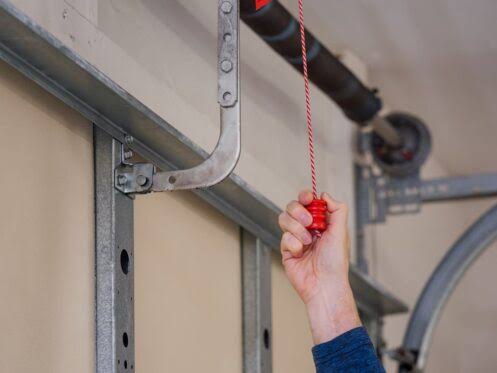
The emergency release cord (usually red with a handle) is the physical link between the automated system and manual operation. Pulling this cord disengages the trolley from the opener carriage, allowing the door to move freely along its tracks independent of the motor.
⚠️ Critical Safety Warning: Never pull the emergency release cord while the door is in motion or partially open. The springs are under extreme tension and can cause severe injury if the door slams down unexpectedly. Always ensure the door is fully closed before engaging the manual release.
According to the Wikipedia entry on Garage Door Openers, the counterbalance spring system stores significant kinetic energy to offset the door’s weight. Respecting this mechanical force is the difference between a successful manual opening and a dangerous accident.
Step-by-Step: How To Open Garage Door Manually When Power Is Out
Follow these precise steps to safely disengage and lift your door. Do not skip the safety checks.
1. Locate the Emergency Release Cord
Find the red cord hanging from the center rail of your garage door opener assembly. It is typically located near the motor unit or the top of the door panel. Ensure you have stable footing and adequate lighting (use a flashlight or phone light).
2. Disengage the Opener
Firmly grasp the handle and pull the cord straight down toward the floor. You should hear or feel a distinct click. This indicates the trolley has released from the drive carriage.
- Note: If the cord resists, do not yank violently. Wiggle it gently side-to-side while pulling downward. Excessive force can snap the release lever.
3. Lift the Door Using Proper Form
Place both hands on the bottom edge of the door, shoulder-width apart. Bend at the knees, keep your back straight, and lift smoothly using your leg muscles.
- Weight Check: A properly balanced door should feel relatively light (approx. 10–15 lbs of perceived weight). If the door feels extremely heavy (>50 lbs), stop immediately. This indicates broken torsion springs or cable issues. Do not proceed; call a professional.
- Lift Height: Raise the door only as high as necessary to clear your vehicle or exit path.
4. Secure the Door in the Open Position
Manual doors lack automatic locking mechanisms. Once open, you must physically secure the door to prevent it from falling.
- Use C-clamps on the track below the bottom roller.
- Alternatively, insert a sturdy wooden block or specialized garage door stop into the track.
- Never rely on friction alone; vibration or wind can cause an unsecured door to crash down.
5. Close and Re-engage (When Power Returns)
To restore automatic function:
- Lower the door completely until it rests evenly on the floor.
- Pull the emergency release cord again (or push the release lever back toward the motor) until you hear it click back into place.
- Test the opener with the remote while standing clear of the door’s path.
Manual Operation vs. Automatic: Key Differences
Understanding the limitations of manual operation helps manage expectations during extended outages.
| Feature | Automatic Operation | Manual Operation (Power Out) |
|---|---|---|
| Effort Required | Minimal (button press) | Moderate to High (physical lift) |
| Speed | 7–10 seconds | 15–30 seconds (cautious pace) |
| Safety Features | Auto-reverse sensors active | No auto-reverse; user responsible |
| Security Lock | Automatic motor lock | Requires manual clamping/blocking |
| Spring Dependency | Motor assists balance | 100% reliant on spring balance |
| Recommended Frequency | Daily use | Emergency/temporary only |
Common Problems and Troubleshooting During Manual Opening
Even when you know how to open garage door manually when power is out, complications arise. Here are solutions to frequent issues:
The Door Won’t Stay Open
If the door slides down after lifting, your torsion or extension springs are likely worn or broken. Do not attempt to prop it up with inadequate supports. The stored energy in failing springs is unpredictable. Mark the door as “Out of Service” and contact a certified technician.
The Release Cord Is Stuck or Broken
Cords can become brittle over time. If the handle breaks off or the lever won’t move:
- Use needle-nose pliers to grip the remaining cord stub or lever arm.
- Apply penetrating oil to the release mechanism and wait 5 minutes.
- If still stuck, the internal carriage may be corroded; professional service is required.
Excessive Noise or Binding During Lift
Grinding, popping, or jerking indicates track misalignment or roller damage. Stop lifting immediately. Forcing a binding door can derail rollers or snap cables, turning a simple power outage into a costly repair.
FAQ: Manual Garage Door Operation
Q1: Is it safe to open a garage door manually during a thunderstorm?
Yes, but exercise caution. Lightning strikes can induce electrical surges even in disconnected systems. Avoid touching metal components unnecessarily, and ensure your flashlight is battery-operated. More importantly, wet floors increase slip risk; wear rubber-soled shoes and dry the area before lifting.
Q2: How often should I test the manual release mechanism?
Test it twice per year during routine maintenance. Pull the release cord, lift the door halfway, and verify smooth operation. Regular testing prevents corrosion buildup and ensures familiarity during actual emergencies. Replace frayed cords immediately.
Q3: Can I convert my garage door to permanent manual operation?
Technically yes, but it is strongly discouraged. Modern doors are engineered for opener-assisted balance. Permanent manual use accelerates spring wear, voids warranties, and eliminates critical safety sensors. If your opener is broken, replace it rather than converting to manual.
Q4: What if my garage door has no visible emergency release cord?
Some older or commercial units use different release mechanisms, such as a sliding latch or chain-pull system. Consult your owner’s manual or manufacturer website for model-specific instructions. Never improvise release methods; incorrect disengagement can damage the opener carriage permanently.
Q5: Will manually opening the door reset my opener’s programming?
No. Manual operation does not erase travel limits, force settings, or remote codes. However, after re-engaging, always perform a safety reversal test: place a 2×4 board flat on the floor under the door and activate closing. The door must reverse upon contact. If it doesn’t, adjust sensitivity per manufacturer guidelines.
Q6: My door opens manually but won’t reconnect to the opener. Why?
The trolley and carriage must align precisely. Ensure the door is fully closed before attempting reconnection. Sometimes the release lever needs to be pushed firmly toward the motor unit until audibly clicking. If alignment fails repeatedly, the carriage may be damaged or the rail bent; professional inspection is needed.
Conclusion: Stay Prepared and Safe
Knowing how to open garage door manually when power is out transforms a stressful emergency into a manageable task. By understanding your emergency release system, respecting spring tension, and following proper lifting techniques, you protect both yourself and your equipment. Remember: if the door feels abnormally heavy or the mechanism resists, prioritize safety over convenience and call a professional.
We hope this guide gives you confidence and peace of mind during your next power outage. Found this helpful? Share it with friends, family, or neighbors on Facebook, X (Twitter), or Nextdoor so they’re prepared too! Tag someone who lives in a storm-prone area—they’ll thank you later. Stay safe, stay prepared, and keep those garage doors moving smoothly, rain or shine. 🏠💪
Leave a Reply