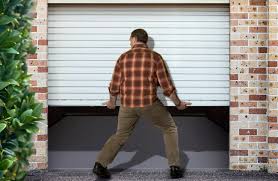
There is nothing more frustrating than a sudden power outage or a broken opener leaving you stranded in your driveway. If you find yourself locked out, knowing how to open garage door manually from outside with key is an essential skill that saves you time, money, and immense stress. Let’s walk through the exact steps to get your vehicle out safely and securely.
Why You Might Need to Know How To Open Garage Door Manually From Outside With Key
According to the International Door Association (IDA), over 70% of homeowners use their garage as their primary entrance to the house. When a severe summer storm knocks out the local power grid, your automatic garage opener instantly becomes useless.
Without a manual override, you might be forced to call a locksmith, which can cost anywhere from $150 to $250 for a simple emergency call-out. Having an exterior lock with a manual release mechanism ensures you are never trapped. Mastering this simple process gives you total independence and peace of mind, regardless of the weather or grid status.
Understanding Your Garage Door Lock Mechanism
Before we dive into the physical steps, it helps to understand the hardware you are dealing with. Most exterior garage locks use a simple tumbler mechanism connected to a steel cable or a sliding locking bar.
When you turn the key, it physically retracts the locking pin inside the track. To learn more about the general evolution and mechanics of these entry systems, you can refer to the comprehensive history of the garage door on Wikipedia. Understanding that this is a purely mechanical system—completely separate from the electrical opener—makes the process much less intimidating.
Step-by-Step: How To Open Garage Door Manually From Outside With Key
Follow these precise instructions to safely disengage your opener and lift the door.
Step 1: Locate and Clear the Exterior Keyhole Find the lock cylinder on the outside of your garage door. It is typically a T-handle or a standard keyhole mounted near the top center of the door. Ensure the area immediately in front of the door is completely clear of obstacles like bicycles, trash cans, or parked cars.
Step 2: Insert and Turn the Key Insert your specific garage door key fully into the cylinder. Apply firm, steady pressure and turn it exactly 90 degrees clockwise. You should hear and feel a distinct mechanical click. This indicates the internal locking pins have retracted.
Step 3: Engage the Manual Release Cable Turning the key pulls the internal steel release cable. This action physically disconnects the door from the automatic opener carriage (the motorized trolley). Note: If your door uses a slide-lock instead of a cable, turning the key will slide the metal bar out of the track.
Step 4: Lift the Door Manually Grip the bottom handle or the bottom edge of the garage door. Lift it smoothly using your legs, keeping your back straight. A standard single-car garage door weighs about 125 pounds (56 kg), while a double-car door can weigh up to 250 pounds (113 kg). Use steady, controlled force.
Step 5: Secure the Door in the Open Position Once the door is fully open, do not let go abruptly. If your door has internal manual slide-locks, reach in and engage them into the track holes to prevent the door from accidentally slamming shut due to wind.
Manual Key Release vs. Emergency Release Cord
Many homeowners wonder if they should use the exterior key or the interior emergency cord. Let’s compare the two methods to see which is right for your situation.
| Feature | Exterior Key Release | Interior Emergency Cord |
|---|---|---|
| Accessibility | Accessible from outside the garage | Only accessible from inside the garage |
| Best Used For | Power outages, being locked out | When you are already inside the garage |
| Security Risk | Low (requires the physical cut key) | Moderate (can be hooked by thieves with a wire) |
| Ease of Use | Moderate (requires the correct key) | Very Easy (just pull the red rope down) |
As the table shows, the exterior key is your best and only option when you are locked out. However, for maximum security, ensure the interior emergency cord is kept short so it cannot be hooked by intruders from the outside.
Troubleshooting: What If the Key Won’t Turn or the Door is Stuck?
Sometimes, the physical lock gets stuck due to extreme weather, rust, or debris. Here is how to handle common issues:
- Apply Dry Graphite Lubricant: Never use standard WD-40 in a lock, as it attracts dirt and gums up the pins over time. Instead, spray a small amount of dry graphite lubricant or use a lock de-icer into the keyhole.
- Check for Winter Freeze: In freezing temperatures, moisture inside the cylinder can turn to ice. Use a commercial lock de-icer, or gently warm the metal key with a lighter for 5 seconds before inserting it to melt internal ice.
- Wiggle Gently: While applying turning pressure, gently wiggle the key up and down. This can help free stuck pins without breaking the key inside the cylinder.
- Inspect the Track: If the key turns but the door won’t budge, the issue isn’t the lock. Check the metal tracks on both sides for debris, or look for a broken torsion spring (indicated by a visible gap in the spring above the door). Never attempt to lift a door with a broken spring.
Essential Maintenance Tips for Your Garage Door Lock
To ensure your manual release always works when you need it, perform these quick maintenance tasks every six months:
- Lubricate the Lock: Apply a small puff of graphite powder into the keyhole.
- Check the Cable: Inspect the steel release cable connected to the lock. If it is frayed or loose, tighten the mounting screws or replace the cable.
- Clean the Tracks: Wipe down the metal tracks with a damp cloth to remove dirt and spiderwebs that can cause the door to stick.
- Test the Mechanism: Once a year, actually use the key to disengage the door and lift it manually. This ensures the internal components haven’t seized up.
Frequently Asked Questions (FAQ)
Can I use a universal key for my garage door? No, garage door keys are not universal. They are uniquely cut for specific lock brands and models, such as Clopay, Wayne Dalton, or CHI. You must use the original key provided by the manufacturer or a professionally duplicated copy.
What should I do if I completely lost my garage door key? If you lost the key and cannot get in, you have two options. First, you can call a professional locksmith to pick the lock. Second, and often more cheaply, you can unscrew the exterior lock assembly from the inside (once you enter through the house) and replace the entire tumbler mechanism at a local hardware store for about $15 to $30.
Is it safe to leave the garage door in manual mode overnight? Yes, it is perfectly safe to leave the door disconnected from the opener. However, remember that your automatic remotes and wall buttons will not work while it is in manual mode. To re-engage the automatic system, simply pull the red emergency release cord back toward the motor unit until it clicks into place.
How often should I lubricate my garage door lock and hinges? You should lubricate the exterior lock, as well as the hinges and rollers, every six months. Regular maintenance prevents rust, ensures smooth operation, and extends the overall lifespan of your garage door system.
Conclusion
Mastering how to open garage door manually from outside with key gives you ultimate peace of mind and total control over your home. You no longer have to panic during a neighborhood blackout, wait hours for a technician, or pay expensive emergency locksmith fees. By following these simple, concrete steps and maintaining your hardware, you ensure safe, reliable access to your home 24/7.
Leave a Reply