Have you ever been stuck outside your home during a power outage, desperately wondering how to open a garage door with no power? It’s a frustrating situation that happens more often than you might think, especially during severe weather or electrical failures. Don’t worry—this comprehensive guide will walk you through safe, effective methods to regain access to your garage when electricity isn’t an option.
Understanding Your Garage Door System
Before attempting any manual operation, it’s crucial to understand how your garage door works. Most modern garage doors use an electric opener connected to a motor unit mounted on the ceiling. When power fails, the automatic mechanism becomes useless, but the door itself remains mechanically functional.
According to the International Door Association, approximately 85% of residential garage doors in the United States are equipped with automatic openers. This means millions of homeowners face this exact scenario annually during power outages.
The key component you’ll need to locate is the emergency release cord, typically red and hanging from the opener carriage. This simple mechanism disconnects the door from the motor, allowing manual operation.
Step-by-Step Manual Release Process
Locating the Emergency Release Cord
The first step in learning how to open a garage door with no power is finding the emergency release mechanism. Look for a red cord with a handle hanging from the center rail of your garage door opener. This cord is usually positioned 6-8 feet above the ground and should be easily visible when standing inside your garage.
If you’re locked out and cannot access the interior, you’ll need an alternative entry point. Check for side doors, windows, or other access points to reach the garage interior safely.
Pulling the Release Cord
Once you’ve located the emergency release cord:
- Stand directly beneath the cord – Position yourself safely under the release mechanism
- Pull down firmly – Grasp the handle and pull straight down until you hear a click
- Listen for the disconnection sound – You should hear a distinct clicking noise indicating the door has disconnected from the opener
- Test the connection – Try lifting the door manually to ensure it’s properly disconnected
Important: Never attempt to force the door if it doesn’t move smoothly after releasing the cord. This could indicate mechanical issues requiring professional attention.
Lifting the Door Manually
After successfully disconnecting the door from the opener:
- Use both hands for better control and safety
- Lift slowly and steadily – Avoid jerky movements that could damage the springs
- Keep your back straight – Bend at the knees, not the waist, to prevent injury
- Stop if you feel resistance – Forcing the door can cause serious damage or injury
Most residential garage doors weigh between 100-400 pounds, so don’t be surprised if it feels heavy. The counterbalance springs should assist with lifting, making the process manageable for most adults.
Safety Considerations and Precautions
Essential Safety Tips
Safety should always be your top priority when operating a garage door manually. Here are critical precautions to follow:
- Never stand under a partially open door – Falls can cause serious injury
- Keep children and pets away – Ensure the area is clear before operating the door
- Wear protective gloves – Prevent cuts from sharp edges or pinching injuries
- Check for obstructions – Remove any items blocking the door’s path
- Work with a partner if possible – Having assistance improves safety and control
When to Call a Professional
While manual operation is generally safe, certain situations require professional assistance:
| Situation | Action Required |
|---|---|
| Door won’t lift after release | Contact garage door technician |
| Springs appear damaged | Do not attempt repair – call professional |
| Door falls rapidly | Emergency service needed immediately |
| Unusual noises during operation | Stop and seek professional help |
| Cable appears frayed or broken | Professional inspection required |
According to Wikipedia’s garage door safety guidelines, improper handling of garage door springs can result in serious injury due to the high tension involved. Always prioritize safety over convenience.
Alternative Methods and Solutions
Using a Battery Backup System
If you frequently experience power outages, consider installing a battery backup system for your garage door opener. These systems provide temporary power during outages, typically lasting for several days depending on usage.
Benefits of battery backup systems:
- Automatic operation during power failures
- Peace of mind during emergencies
- Easy installation on most modern openers
- Relatively affordable investment ($100-$300)
Smart Garage Door Openers
Modern smart garage door openers often include battery backup features and can be controlled via smartphone apps. Some models even notify you when power is restored, allowing remote operation once electricity returns.
Temporary Workarounds
If you cannot access the emergency release cord:
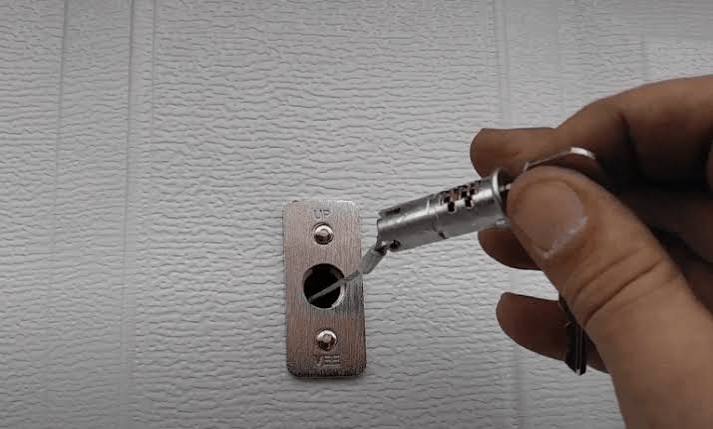
- Check for manual override keys – Some older models have key-operated releases
- Look for exterior release mechanisms – Certain doors have outside access points
- Contact your garage door company – Many offer emergency services
- Use alternate entry points – Side doors or windows may provide garage access
Preventive Measures for Future Outages
Regular Maintenance Checklist
Preventing problems is always better than solving them. Follow this maintenance schedule:
Monthly Checks:
- Test the emergency release cord functionality
- Inspect cables and springs for wear
- Lubricate moving parts with appropriate garage door lubricant
- Check door balance by manually lifting halfway
Annual Professional Inspection:
- Spring tension adjustment
- Cable integrity verification
- Opener mechanism inspection
- Safety sensor testing
Emergency Preparedness Kit
Keep these items accessible in your garage:
- Flashlight with extra batteries
- Work gloves
- Basic tool kit
- Emergency contact numbers
- Portable phone charger
Troubleshooting Common Issues
Door Sticks or Won’t Move
If your garage door sticks after manual release:
- Check track alignment – Look for bends or misalignments
- Inspect rollers – Replace worn or damaged rollers
- Clean the tracks – Remove debris and dirt buildup
- Verify spring tension – Contact professional if springs seem weak
Door Closes Too Quickly
Rapid closing indicates potential spring issues:
- Do not attempt spring adjustments yourself
- Contact a licensed garage door technician
- Keep the area clear until repairs are completed
FAQ Section
How much does it cost to install a battery backup for my garage door?
Battery backup systems typically cost between $100-$300, including installation. Prices vary based on your opener model and local labor rates. Many homeowners find this investment worthwhile for peace of mind during frequent power outages.
Can I damage my garage door by using the manual release?
When used correctly, the manual release mechanism won’t damage your garage door. However, forcing the door or improper reconnection can cause problems. Always follow manufacturer instructions and stop if you encounter unusual resistance.
How long can I leave my garage door disconnected from the opener?
You can leave your garage door disconnected indefinitely without causing damage. However, remember to reconnect it properly once power returns by pulling the release cord toward the motor unit until it clicks back into place.
What should I do if the emergency release cord is missing?
If your emergency release cord is missing, contact your garage door manufacturer or a professional technician immediately. They can provide replacement parts and ensure proper installation. Do not attempt makeshift solutions that could compromise safety.
Is it safe to operate an old garage door manually?
Older garage doors can be safely operated manually if properly maintained. However, doors over 15 years old may have worn components that increase risk. Consider professional inspection before regular manual operation of older systems.
Will my garage door opener reset automatically when power returns?
Most modern garage door openers will resume normal operation once power is restored. However, you’ll need to reconnect the door to the opener by pulling the release cord toward the motor unit. Test the automatic operation before relying on it completely.
Conclusion
Learning how to open a garage door with no power is an essential skill every homeowner should master. By understanding your garage door’s emergency release mechanism and following proper safety procedures, you can handle power outages confidently and safely.
Remember to practice using your emergency release cord regularly, maintain your garage door system properly, and consider investing in backup solutions if you live in areas prone to power outages. Share this guide with friends and family—it might just help someone during their next emergency!
Stay prepared, stay safe, and keep your garage accessible regardless of power conditions.
Leave a Reply