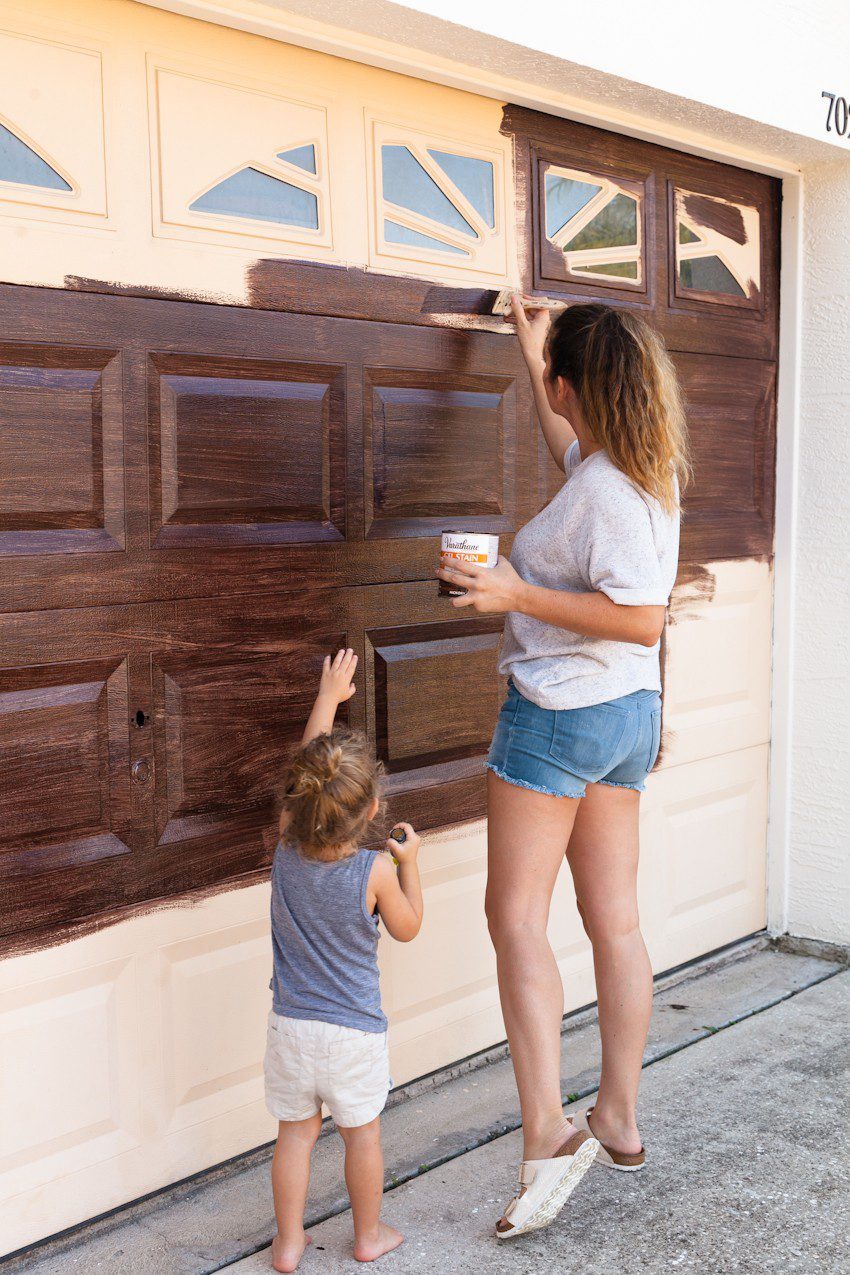
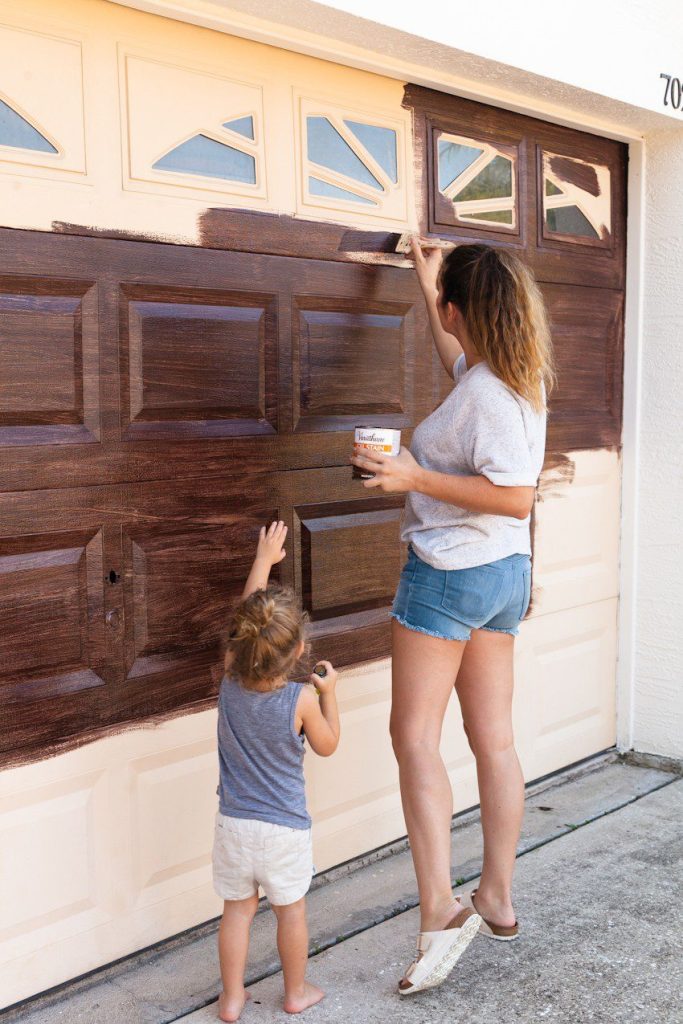
Introduction
Does your durable metal garage door feel cold and industrial compared to the warm charm of your home’s exterior? You are not alone; many homeowners love the low maintenance of steel but crave the classic aesthetic of natural timber. Learning how to make a metal garage door look like wood is the perfect solution to bridge that gap without the expense or upkeep of real lumber. This guide will walk you through a professional-grade faux finishing process that transforms your curb appeal in a single weekend.
Why Choose Faux Wood Over Real Wood Garage Doors?
Before picking up a paintbrush, it helps to understand why this method is superior for modern homes. According to industry data, real wood garage doors can cost between $2,500 and $8,000 installed, whereas a DIY faux wood transformation typically costs under $300 in materials. Beyond price, steel doors offer better insulation values (R-values) and security than traditional timber.
By mastering how to make a metal garage door look like wood, you retain the structural benefits of steel while achieving the visual warmth of mahogany, cedar, or oak. As noted in architectural history resources on Wikipedia, the evolution of garage doors has always balanced utility with residential aesthetics, making faux finishing a historically consistent choice for homeowners seeking harmony between function and form.
Pros and Cons: Faux Wood vs. Real Wood
| Feature | Faux Wood (Painted Steel) | Real Wood Door |
|---|---|---|
| Average Cost | $150 – $400 (DIY) | $2,500 – $8,000+ |
| Maintenance | Low (Wash & occasional wax) | High (Stain/seal every 1-2 years) |
| Durability | Resistant to rot, warp, insects | Susceptible to moisture & pests |
| Insulation | High (Polyurethane core options) | Low to Medium |
| Aesthetic Authenticity | 90% realistic from street view | 100% authentic texture & grain |
| Lifespan | 15–20 years | 20–30 years (with strict care) |
What Materials Do You Need for a Faux Wood Finish?
Gathering the right supplies is 80% of the battle. Using interior paints or cheap brushes will result in peeling within months. For exterior metal surfaces exposed to UV rays and temperature fluctuations, you need specialized products.
- Direct-to-Metal (DTM) Acrylic Primer: Essential for adhesion on galvanized or painted steel.
- Exterior Acrylic Latex Paints: You need three tones—a base coat, a mid-tone grain color, and a dark accent for depth.
- Acrylic Glaze or Gel Stain: This extends drying time, allowing you to manipulate the “grain” before it sets.
- Wood Graining Tool: A rocker-style grainer creates realistic knot and grain patterns.
- High-Quality Synthetic Brushes: 2-inch angled sash brushes work best for cutting in panels.
- Marine-Grade Clear Topcoat: UV-resistant polyurethane to seal the finish against sun fading.
- Painter’s Tape & Drop Cloths: To protect surrounding brickwork and flooring.
Expert Tip: Always choose paints rated for exterior metal. Interior latex lacks the UV stabilizers necessary to prevent the faux wood grain from chalking or fading after one summer.
Step-by-Step: How To Make A Metal Garage Door Look Like Wood
This tutorial assumes standard weather conditions. For optimal results, work when temperatures are between 50°F and 85°F (10°C–29°C) and humidity is below 70%. Avoid direct sunlight on the door surface during application to prevent premature drying.
Step 1: Surface Preparation (The Most Critical Step)
Paint failure almost always stems from poor prep. Clean the door thoroughly using a trisodium phosphate (TSP) substitute and water mixture to remove grease, dirt, and oxidation. Rinse completely and allow to dry for at least 4 hours. Lightly sand glossy areas with 220-grit sandpaper to create a mechanical bond. Wipe away dust with a tack cloth.
Step 2: Apply the Base Coat
Apply your lightest paint color as the base. This represents the raw wood tone beneath the grain. Use a roller for flat sections and a brush for recessed panels. Apply two thin coats rather than one thick coat to avoid drips. Allow each coat to dry according to manufacturer specifications—typically 4–6 hours at 70°F.
Step 3: Mix and Apply the Glaze Layer
Mix your mid-tone paint with acrylic glaze in a 1:4 ratio (one part paint to four parts glaze). This translucent mixture allows the base coat to show through. Working in manageable sections (approximately 2×2 feet), apply the glaze evenly over the base coat. Do not let it dry yet.
Step 4: Create the Wood Grain Texture
While the glaze is still wet, drag your wood graining tool vertically down the section. Rock the tool slightly side-to-side to mimic natural grain variations. For panel doors, follow the direction of the panel’s design—vertical on stiles, horizontal on rails. Wipe the graining tool clean frequently with a rag to prevent buildup. If the glaze dries too fast, mist lightly with water to reactivate it.
Step 5: Add Depth with Accent Colors
Real wood has color variation. Dip a dry brush sparingly into your darkest accent color and lightly feather it into the grain lines and corners where shadows would naturally occur. Blend immediately with a soft, dry brush to avoid harsh streaks. This step separates amateur attempts from professional-looking results.
Step 6: Seal and Protect
After the faux finish cures for 24–48 hours, apply two coats of marine-grade UV-resistant clear topcoat. This protects your artwork from rain, snow, and sun damage. Pay special attention to edges and bottom panels where moisture intrusion is most likely. Reapply topcoat every 3–5 years to maintain protection.
Common Mistakes to Avoid When Faux Painting Metal Doors
Even experienced DIYers stumble on these pitfalls:
- Skipping Primer: Metal expands and contracts differently than wood. Without DTM primer, your beautiful finish will crack within a year.
- Working in Direct Sun: Heat causes glaze to skin over in minutes, making grain manipulation impossible. Work in shade or during cooler morning hours.
- Overworking the Grain: Dragging the grainer back and forth repeatedly muddies the pattern. Commit to confident, single-pass strokes.
- Ignoring Panel Direction: Grain should follow architectural logic. Horizontal grain on vertical stiles looks instantly fake.
- Neglecting Topcoat: UV radiation breaks down acrylic pigments. Unsealed faux wood fades to chalky gray within 18 months.
FAQ: Your Questions About Faux Wood Garage Doors Answered
How long does a faux wood finish last on a metal garage door?
With proper preparation and UV-resistant topcoat, a professionally executed faux wood finish lasts 8–12 years before requiring refreshment. Reapplying clear topcoat every 3–5 years significantly extends lifespan. Neglected finishes may degrade in 3–4 years depending on climate exposure.
Can I faux paint an already-painted metal garage door?
Yes, provided the existing paint is firmly adhered and not peeling. Clean thoroughly, sand to degloss, and spot-prime any bare metal areas before proceeding. If the old paint is chalky or flaking, complete removal via chemical stripper or power sanding is necessary first.
Is faux wood painting suitable for insulated steel garage doors?
Absolutely. Insulated steel doors actually provide a better substrate because they remain more dimensionally stable than uninsulated single-layer doors. The foam core reduces thermal expansion, minimizing stress on the paint film. Just ensure ventilation slots aren’t clogged during painting.
How much does professional faux wood garage door painting cost?
Professional faux finishing services typically charge $800–$2,500 depending on door size, complexity, and regional labor rates. While significantly cheaper than wood door replacement, DIY remains the most economical option if you have patience and basic painting skills.
Will faux wood increase my home’s resale value?
Curb appeal directly impacts buyer perception. A well-executed faux wood finish that complements your home’s architecture can enhance perceived value by 2–5% according to real estate staging studies. However, poorly executed work can detract from value. Quality execution matters more than the technique itself.
Can I use gel stain instead of paint for faux wood on metal?
Traditional oil-based gel stains are formulated for porous wood and will not properly adhere to non-porous metal. However, acrylic-based gel stains designed for multi-surface use can work. Always verify product compatibility with metal substrates and test on an inconspicuous area first.
Conclusion
Transforming your steel garage door doesn’t require sacrificing durability for beauty. By following this guide on how to make a metal garage door look like wood, you’ve unlocked an affordable path to premium curb appeal that lasts for years. The key lies in meticulous preparation, quality materials, and patience during the graining process.
Ready to showcase your transformed garage door? Snap a before-and-after photo and share your success on Pinterest, Instagram, or Facebook using #FauxWoodGarageDoor. Your project might inspire a neighbor to tackle their own home improvement journey. Happy painting, and remember—great results come from respecting the process, not rushing it!
Leave a Reply