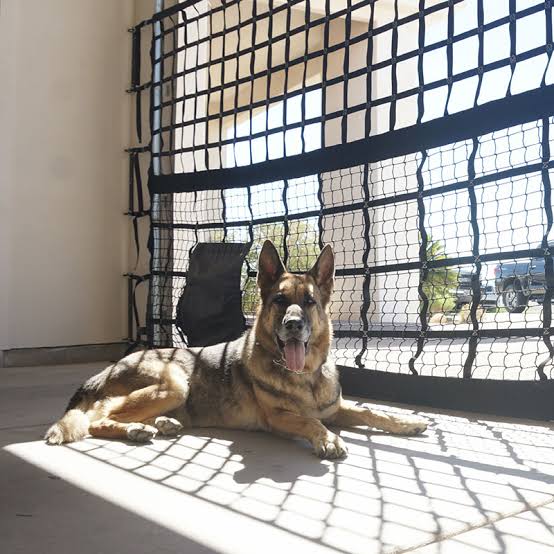
Keeping your furry friend secure while maintaining garage accessibility is a common challenge for many pet owners. You want fresh air circulation and easy vehicle access, but you also need peace of mind knowing your dog won’t wander into dangerous areas. Learning how to keep dog in garage with door open requires a strategic approach combining physical barriers, behavioral training, and environmental controls.
Why Do Pet Owners Want to Keep Dogs in Garages?
Before diving into solutions, understanding the motivation behind this setup helps create better strategies. Many homeowners choose garage containment for several practical reasons:
- Temperature regulation: Garages often maintain more stable temperatures than outdoor spaces
- Space management: Keeps indoor living areas clean and organized
- Security concerns: Prevents dogs from escaping into busy streets or neighboring properties
- Convenience: Allows easy access to vehicles, tools, and storage while keeping pets supervised
According to the American Veterinary Medical Association, approximately 38% of dog owners use some form of contained outdoor space for their pets. However, improper garage setups can lead to safety hazards, including exposure to toxic substances, extreme temperatures, and escape risks.
What Are the Best Physical Barriers for Open Garage Dog Containment?
Creating effective physical boundaries is the foundation of safe garage containment. Here are proven barrier options:
Baby Gates and Pet Gates
Standard baby gates work well for smaller dogs and narrow garage entrances. Look for models with:
- Height minimum of 30 inches for medium dogs
- Sturdy metal construction rather than plastic
- Double-latching mechanisms for added security
- Easy installation without permanent modifications
For larger breeds, consider extra-tall pet gates reaching 36-42 inches. These prevent jumping and provide visual barriers that reduce anxiety.
Invisible Fence Systems
Wireless containment systems offer flexibility for open garage scenarios:
| System Type | Cost Range | Effectiveness | Installation Difficulty |
|---|---|---|---|
| Wireless Boundary | $200-$500 | Moderate | Easy |
| Wired Underground | $300-$800 | High | Moderate |
| GPS-Based Collar | $400-$1,000 | High | Easy |
Note: Always combine invisible fences with physical barriers for maximum safety.
Custom Mesh Barriers
DIY mesh solutions provide affordable customization:
- Measure your garage opening dimensions accurately
- Purchase heavy-duty vinyl-coated mesh (minimum 16-gauge wire)
- Install tension-mounted poles on both sides
- Secure mesh with zip ties every 6 inches
- Add weighted base plates for stability
This approach costs approximately $50-$100 and creates a see-through barrier that maintains airflow while preventing escape.
How Can Temperature Control Protect Your Dog in the Garage?
Temperature management is crucial when keeping dogs in garages with open doors. Extreme heat and cold pose serious health risks that many owners underestimate.
Summer Heat Protection
During hot months, garage temperatures can exceed outdoor readings by 10-15 degrees. Implement these cooling strategies:
- Install box fans positioned to create cross-ventilation
- Use evaporative coolers for dry climates (adds 10-15°F cooling)
- Provide frozen water bottles wrapped in towels for chewing
- Create shaded areas using tarps or shade sails
- Monitor humidity levels keeping them below 60% for comfort
The ASPCA warns that dogs can suffer heatstroke when temperatures reach 85°F, even with adequate ventilation. Always provide multiple water sources and monitor for excessive panting.
Winter Warmth Solutions
Cold weather presents different challenges:
- Insulate garage walls with foam board insulation (R-value 13 minimum)
- Use heated pet beds rated for outdoor use
- Install weather stripping around garage door edges
- Provide insulated dog houses within the garage space
- Monitor floor temperature using infrared thermometers
Small breeds and short-haired dogs require additional warmth. Consider heated mats set to 102-104°F for optimal comfort.
What Training Techniques Help Dogs Accept Garage Containment?
Behavioral training ensures your dog feels comfortable and secure in their garage space. Rushing this process often leads to anxiety and escape attempts.
Step-by-Step Training Protocol
Week 1: Introduction Phase
- Spend 15-20 minutes daily in the garage with your dog
- Bring favorite toys and treats to create positive associations
- Practice basic commands in the new environment
- Gradually increase session duration by 5 minutes daily
Week 2: Boundary Recognition
- Use consistent verbal cues like “stay” or “boundary”
- Reward calm behavior near designated areas
- Introduce gentle corrections for boundary testing
- Practice short separations (5-10 minutes) while remaining nearby
Week 3: Extended Containment
- Increase alone time to 30-45 minute intervals
- Provide puzzle toys and chew items for mental stimulation
- Monitor behavior through baby monitors or cameras
- Adjust routine based on stress indicators
Week 4: Full Integration
- Implement regular garage time as part of daily routine
- Combine with exercise schedules for balanced activity
- Maintain consistency in rules and expectations
- Celebrate progress with special treats and praise
Addressing Common Behavioral Issues
Separation Anxiety Signs:
- Excessive barking or whining
- Destructive chewing of garage items
- Pacing or circling behaviors
- Attempts to dig under barriers
Solutions:
- Gradual desensitization to alone time
- Calming pheromone diffusers (Adaptil brand recommended)
- Background noise through radios or white noise machines
- Consultation with certified animal behaviorists for severe cases
How Do You Ensure Garage Safety for Dogs?
Garage environments contain numerous hazards requiring careful management. A comprehensive safety audit prevents accidents and health issues.
Toxic Substance Management
Store all dangerous materials properly:
- Automotive fluids: Keep antifreeze, oil, and brake fluid in locked cabinets
- Cleaning supplies: Use child-proof containers stored above dog reach
- Pesticides and herbicides: Seal in original containers with tight lids
- Paint and solvents: Store in ventilated areas away from pet spaces
According to Wikipedia’s article on household toxins, ethylene glycol (found in antifreeze) is particularly dangerous to dogs, with as little as one teaspoon per pound of body weight being potentially fatal.
Electrical and Mechanical Hazards
- Cover exposed outlets with pet-safe covers
- Secure loose wires and cables along walls
- Lock toolboxes and sharp object storage
- Block access to garage door mechanisms
- Remove small objects that could be swallowed
Emergency Preparedness
Create a garage-specific emergency plan:
- Post emergency contact numbers visibly
- Keep a pet first aid kit accessible
- Install smoke detectors with battery backups
- Maintain clear exit paths for quick evacuation
- Practice emergency drills monthly
What Maintenance Tasks Keep Garage Dog Areas Optimal?
Regular maintenance ensures continued safety and comfort for your garage-contained dog.
Daily Tasks
- Refresh water bowls with clean, cool water
- Remove any waste immediately
- Check barrier integrity for damage
- Monitor temperature and adjust as needed
Weekly Tasks
- Deep clean flooring with pet-safe cleaners
- Inspect gates and barriers for wear
- Wash bedding and soft surfaces
- Check ventilation systems for proper function
Monthly Tasks
- Test smoke detectors and alarms
- Review and update safety protocols
- Assess dog’s comfort level and adjust setup
- Clean and organize storage areas to prevent clutter
FAQ Section
Q: Can I leave my dog in the garage overnight with the door open?
A: Overnight garage containment depends on several factors including climate, your dog’s age and health, and security measures. In moderate weather (50-75°F), with proper bedding and security barriers, overnight stays can be safe. However, always ensure your dog has access to water, comfortable sleeping areas, and protection from wildlife or intruders. Monitor your dog’s behavior initially to ensure they’re comfortable with extended garage time.
Q: What size garage is appropriate for keeping a dog?
A: The ideal garage size depends on your dog’s breed and activity level. Small dogs (under 25 pounds) need minimum 50 square feet of clear space, while large breeds require 100+ square feet. Ensure adequate room for movement, separate eating and sleeping areas, and space for exercise toys. The garage should allow your dog to turn around comfortably and lie down fully stretched.
Q: How do I prevent my dog from chewing garage items?
A: Prevention combines environmental management and behavioral training. Remove accessible chewable items, provide appropriate chew toys, and use bitter apple spray on forbidden objects. Ensure your dog receives adequate exercise and mental stimulation outside garage time. Consistent correction and redirection help establish boundaries. If chewing persists, consult a professional trainer to address underlying anxiety or boredom issues.
Q: Is it legal to keep my dog in the garage?
A: Legality varies by location and specific circumstances. Most jurisdictions allow garage containment if basic welfare standards are met: adequate shelter, food, water, ventilation, and protection from extreme weather. Some areas have specific temperature requirements or prohibit extended outdoor containment. Check local animal welfare ordinances and HOA rules. Always prioritize your dog’s comfort and safety over convenience.
Q: How can I tell if my dog is stressed in the garage?
A: Stress indicators include excessive panting, pacing, whining, destructive behavior, loss of appetite, and changes in bathroom habits. Physical signs may include dilated pupils, tucked tail, flattened ears, or excessive shedding. Monitor your dog closely during initial garage introduction periods. If stress symptoms persist beyond two weeks, reconsider the arrangement or consult a veterinary behaviorist for guidance.
Q: What’s the best flooring for garage dog areas?
A: Ideal garage flooring balances durability, comfort, and easy cleaning. Epoxy coatings provide waterproof, chemical-resistant surfaces that clean easily. Interlocking rubber tiles offer cushioning and traction while protecting against cold concrete. Avoid bare concrete for extended periods as it can cause joint stress and temperature discomfort. Add area rugs or mats in sleeping areas for additional comfort.
Conclusion
Learning how to keep dog in garage with door open successfully requires balancing safety, comfort, and practicality. By implementing proper physical barriers, maintaining optimal temperatures, providing thorough training, and ensuring comprehensive safety measures, you create a secure environment that benefits both you and your pet.
Remember that every dog is unique, so adapt these strategies to your specific situation. Start gradually, monitor your dog’s response, and make adjustments as needed. The goal is creating a positive experience that keeps your furry friend safe while maintaining the convenience of an accessible garage.
Share this guide with fellow pet owners who might benefit from these insights. Your experience could help other dogs enjoy safe, comfortable garage containment while their owners maintain the lifestyle flexibility they desire. Together, we can ensure all pets receive the care and consideration they deserve.
Leave a Reply