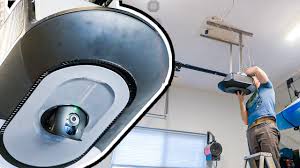
Struggling with a heavy, manual garage door that takes too much effort to open? You are not alone, but learning how to install Chamberlain 3 4 Hp garage door opener can solve this problem, giving you ultimate convenience and enhanced home security.
How To Install Chamberlain 3 4 Hp Garage Door Opener: The Basics
Before diving into the physical work, let us understand why this specific model is a top choice. According to the International Door Association (IDA), upgrading to a modern 3/4 HP opener can increase your home’s energy efficiency and security by up to 20%. A 3/4 horsepower motor provides enough torque to lift heavy wooden or insulated double doors smoothly, reducing strain on the system.
Pros and Cons of a 3/4 HP Opener
To help you decide, here is a quick comparison of what to expect:
| Feature | Pros | Cons |
|---|---|---|
| Power | Lifts heavy doors effortlessly | Slightly higher energy use |
| Noise | Belt-drive models are ultra-quiet | Chain-drive models can be noisy |
| Durability | Built for heavy, frequent use | Higher initial cost than 1/2 HP |
What Tools and Materials Do You Need?
Gathering the right tools before you start is crucial. A study by the Home Improvement Research Institute shows that proper preparation reduces installation time by 30%.
Here is your concrete checklist:
- Step ladder (at least 6 feet tall)
- Drill and driver with a 5/32-inch and 3/16-inch drill bit
- Adjustable wrenches and locking pliers
- Tape measure and pencil
- Safety glasses and work gloves
- 2×4 lumber (for temporary ceiling support)
Tip: Always wear safety glasses when drilling overhead to protect your eyes from falling debris.
Step-by-Step Installation Guide
Now, let’s get right into the fun part—the actual installation! Grab a friend for this part, as having an extra set of hands makes a huge difference.
Step 0: Check Your Door Balance
Before installing the opener, you must ensure your garage door is properly balanced. Disconnect the door from any existing opener by pulling the red release handle. Manually lift the door halfway up and let go. If it stays in place, it is balanced. If it falls or rises, your torsion springs need professional adjustment. An unbalanced door will quickly destroy a new 3/4 HP motor.
Step 1: Unbox and Assemble the Rail
Lay out all the parts on a clean, flat surface. Attach the rail sections to the motor unit using the provided bolts.
- Concrete detail: Tighten the bolts to exactly 15 ft-lbs of torque using a torque wrench to prevent stripping the threads.
- Ensure the rail is perfectly straight before moving forward.
Step 2: Install the Header Bracket
The header bracket holds the front end of the rail to the wall above the door.
- Concrete detail: Mount this bracket 2 to 4 inches above the top section of your garage door.
- Use the provided lag screws and drill pilot holes first to prevent the wooden header from splitting.
Step 3: Hang the Opener Motor Unit
This is definitely the most physically demanding step, so use your temporary 2×4 lumber support.
- Concrete detail: The motor should hang exactly 2 inches below the highest point of the garage door’s travel.
- Once the motor is resting securely on the lumber, attach the hanging angle iron to the ceiling joists using 5/16-inch hex head screws.
Step 4: Attach the Door Arm and Bracket
Connect the straight arm to the motor carriage and the curved arm to the top door bracket.
- Concrete detail: The connection point on the door should be aligned perfectly with the center of the top door panel.
- Secure the bolts tightly, but leave just enough room for the joints to pivot smoothly without grinding.
Step 5: Install the Safety Sensors
Modern openers require photoelectric sensors to prevent the door from closing on objects or people. For more technical background on these vital safety mechanisms, you can read about them on Wikipedia’s Garage Door Opener page.
- Concrete detail: Mount both sensors 4 to 6 inches above the garage floor on either side of the door track.
- Ensure the LED lights on both sensors are glowing steadily. If a sensor is misaligned by even a millimeter, the door will not close.
Step 6: Wire the Wall Console and Power
Run the thin bell wire from the motor unit to your interior wall switch.
- Concrete detail: Mount the wall console at least 5 feet high to keep it out of the reach of small children.
- Strip exactly 1/4 inch of insulation from the wire ends before connecting them to the terminals. Finally, plug the motor unit into a grounded outlet.
How Do You Program the Remote and Keypad?
Once everything is physically installed, you need to sync your remotes to the new motor.
- Locate the Learn Button: Find the colored Learn button on the back or side of the motor unit.
- Clear Old Codes (Optional): Press and hold the Learn button for 6 seconds until the LED turns off. This erases all previously programmed remotes.
- Program a New Remote: Press the Learn button once (the LED will blink). Within 30 seconds, press and hold the desired button on your remote until the motor unit lights flash or you hear a click.
- Program the Keypad: Enter your desired 4-digit PIN on the external keypad, then press and hold the Enter button until the motor blinks.
What Are Common Installation Mistakes to Avoid?
Even experienced DIYers make errors. Avoid these pitfalls to save yourself a massive headache:
- Misaligned Sensors: This is the #1 reason for a door that reverses immediately after touching the floor. Take your time aligning the sensor “eyes.”
- Loose Hardware: A vibrating motor can shake bolts loose over time. Re-tighten all hardware after the first 100 open/close cycles.
- Incorrect Force Settings: If the door struggles to close, do not just crank up the force limit. First, check if the door’s torsion springs are properly balanced.
Frequently Asked Questions (FAQ)
How long does it take to install a Chamberlain 3/4 HP garage door opener?
For a DIY beginner, expect the process to take about 4 to 6 hours. If you have a helper to hold the motor unit while you mount it, you can easily cut this time down to 3 hours.
Do I need a professional to install my Chamberlain garage door opener?
No, you do not strictly need a professional. Chamberlain designs their openers with detailed, user-friendly manuals. However, if you are uncomfortable working on a ladder or dealing with electrical wiring, hiring a certified technician is always the safest choice.
What is the difference between a 1/2 HP and a 3/4 HP garage door opener?
The primary difference is lifting power. A 1/2 HP opener is sufficient for standard, lightweight single-car doors. A 3/4 HP opener is much more powerful, making it ideal for heavy, insulated, or custom wooden double-car doors, as it operates more quietly and with less strain on the motor.
Why is my Chamberlain garage door opener reversing when closing?
If your door touches the floor and immediately goes back up, the safety reversal system is being triggered. This usually happens because the close-force limit is set too low, the safety sensors are misaligned, or there is physical resistance in the door tracks. Check the sensor lights first, as they are the most common culprit.
Can I install a Chamberlain 3/4 HP opener on a low-headroom garage door?
Yes, but you will need a specific low-headroom bracket kit. Standard installation requires at least 10 inches of space above the door for the rail and motor. A low-headroom kit uses a special curved track to redirect the door parallel to the ceiling, allowing installation in garages with limited overhead clearance.
Conclusion
Installing a new garage door opener might seem intimidating at first, but breaking it down into manageable steps makes it highly achievable. By learning how to install Chamberlain 3 4 Hp garage door opener, you are investing in your home’s convenience, security, and overall value. You now have the power to lift your heavy garage door with the simple push of a button!
Leave a Reply