Introduction
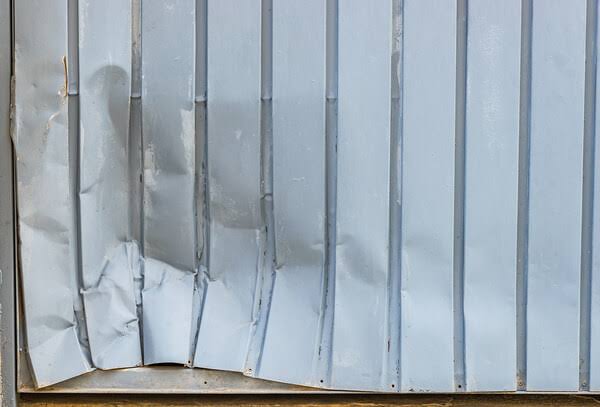
Seeing a dent in your garage door can be frustrating. Whether it happened from an accidental bump, hail damage, or everyday wear and tear, that unsightly mark affects your home’s curb appeal and potentially compromises the door’s functionality. The good news? You don’t always need to call a professional or replace the entire panel. Learning how to fix a dent in a garage door yourself can save you hundreds of dollars while restoring your door’s smooth appearance. This comprehensive guide walks you through proven techniques that homeowners across the United States use successfully every day.
Understanding Garage Door Dents: What You’re Dealing With
Before jumping into repairs, it’s essential to understand what type of dent you’re facing. Not all dents are created equal, and the repair method depends largely on the severity and location of the damage.
Types of Common Garage Door Dents
Garage doors typically experience three main categories of dents:
- Minor surface dents: Shallow impressions that don’t affect the door’s structural integrity
- Moderate dents: Deeper marks that may slightly distort the metal but remain localized
- Severe dents: Major damage that creases the metal, affects multiple panels, or compromises the door’s operation
According to the International Association of Certified Home Inspectors, approximately 60% of garage door issues reported annually involve cosmetic damage rather than mechanical failures. This means most homeowners can address these problems without extensive technical knowledge.
Why Fixing Dents Matters
Beyond aesthetics, untreated dents can lead to:
- Rust formation in exposed metal areas
- Reduced insulation efficiency
- Potential weakening of structural components over time
- Decreased property value during resale
Method 1: The Plunger Technique for Small Dents
One of the simplest and most effective ways to address minor dents is using a common household plunger. This method works best on shallow, round dents located in accessible areas of the door.
Step-by-Step Instructions
- Clean the dented area thoroughly using mild soap and water. Remove any dirt, debris, or grease that might prevent proper suction.
- Moisten the plunger cup slightly with water to create a better seal against the garage door surface.
- Position the plunger directly over the center of the dent. Ensure the rubber cup completely covers the damaged area.
- Apply firm pressure by pushing the plunger toward the door, then pull back sharply. Repeat this motion 5-10 times with consistent force.
- Check your progress after each set of pulls. Small dents often pop out within the first few attempts.
- Finish with gentle tapping around the edges if slight imperfections remain. Use a rubber mallet wrapped in a soft cloth to avoid scratching the paint.
Pro tip: This technique works best when the ambient temperature is between 60-75°F (15-24°C), as extreme cold makes metal less pliable.
Method 2: Heat and Cold Therapy for Metal Panels
This thermodynamic approach exploits metal’s natural expansion and contraction properties. It’s particularly effective for aluminum garage doors and moderate-sized dents.
Required Materials
- Hair dryer or heat gun (set to medium heat)
- Can of compressed air (held upside down)
- Clean microfiber cloths
- Protective gloves
Execution Process
- Heat the dented area using your hair dryer or heat gun. Hold the device 6-8 inches away from the surface and move it in circular motions for 2-3 minutes. The metal should feel warm but not hot enough to burn your hand.
- Immediately apply cold by spraying the heated area with inverted compressed air. The rapid temperature change causes the metal to contract quickly, often popping the dent outward.
- Repeat if necessary. Some stubborn dents require 2-3 cycles of heating and cooling.
- Allow the door to return to room temperature naturally before assessing the final result.
Safety warning: Never use open flames or excessive heat that could damage the door’s paint finish or warp the metal permanently.
Method 3: Using a Dent Puller Kit
For more persistent dents, investing in a dedicated dent puller kit provides professional-grade results at a fraction of the cost of hiring a technician.
What’s Included in Typical Kits
Most automotive-style dent puller kits contain:
- Suction cups in various sizes
- Bridge pullers with adjustable arms
- Glue-on tabs for irregular surfaces
- Instruction manual
Application Steps
- Select the appropriate tool based on your dent’s size and location. Smaller suction cups work for compact dents, while bridge pullers handle larger areas.
- Prepare the surface by cleaning and drying the dented section completely.
- Attach the pulling mechanism according to the manufacturer’s instructions. For glue-on tabs, allow the adhesive to set for the recommended time (usually 5-10 minutes).
- Apply gradual tension using the tool’s adjustment mechanism. Increase pressure slowly rather than yanking forcefully.
- Release and evaluate once the dent appears level with the surrounding surface.
- Remove residue from glue-on tabs using rubbing alcohol and a soft cloth.
Quality dent puller kits range from $25-$75 and can be reused for future repairs, making them a worthwhile investment for homeowners.
When to Call a Professional
While DIY methods handle most minor to moderate dents effectively, certain situations warrant professional assistance:
| Situation | Recommended Action |
|---|---|
| Dent spans multiple panels | Professional repair or panel replacement |
| Structural damage visible | Immediate professional assessment |
| Door operates unevenly | Professional inspection required |
| Paint severely cracked or chipped | Professional refinishing recommended |
| Multiple large dents present | Consider full panel replacement |
According to Wikipedia’s comprehensive guide on garage doors, modern sectional garage doors consist of hinged panels that work together mechanically. Damage affecting the door’s alignment or track system should always be evaluated by certified technicians to prevent safety hazards.
Preventing Future Garage Door Dents
Prevention proves far easier than repair. Implement these strategies to protect your investment:
- Install protective bumpers on walls adjacent to your garage door
- Park vehicles carefully, maintaining adequate clearance
- Consider impact-resistant panels when replacing old doors
- Trim nearby tree branches that could fall during storms
- Apply protective film to high-risk areas for added defense
Regular maintenance checks every six months help identify potential vulnerabilities before they become serious problems.
FAQ Section
Q1: Can I fix a dent in a steel garage door using the same methods as aluminum?
A: Yes, most techniques work on both materials, though steel requires slightly more force due to its greater rigidity. The heat and cold method works equally well on steel, but be cautious not to overheat, as steel retains heat longer than aluminum.
Q2: Will fixing a dent myself void my garage door warranty?
A: Generally, no. Most manufacturers’ warranties cover mechanical components and manufacturing defects, not cosmetic damage caused by external impacts. However, check your specific warranty terms, as policies vary by brand.
Q3: How much does professional garage door dent repair typically cost?
A: Professional repair costs range from $150-$400 depending on dent severity and location. Panel replacement runs $250-$600 per section. DIY methods typically cost under $50 in materials, representing significant savings.
Q4: Can I paint over a repaired dent immediately?
A: Wait at least 24-48 hours after repair before painting. This allows the metal to stabilize and ensures proper paint adhesion. Use primer designed for metal surfaces, followed by exterior-grade paint matching your door’s color.
Q5: What if the dent has sharp creases instead of smooth curves?
A: Creased dents indicate metal stretching beyond its elastic limit. These rarely respond well to DIY methods and usually require professional bodywork techniques or panel replacement. Attempting to force out creased dents may worsen the damage.
Q6: Is it safe to use a heat gun on insulated garage doors?
A: Exercise caution with insulated doors. Excessive heat can damage the insulation core or separate bonded layers. Keep the heat gun moving continuously and monitor the surface temperature closely. If unsure, consult the door manufacturer’s guidelines.
Conclusion
Learning how to fix a dent in a garage door empowers you to maintain your home’s appearance and functionality without breaking the bank. Whether you choose the simple plunger method, thermodynamic heat-and-cold therapy, or invest in a dent puller kit, these proven techniques deliver impressive results for most common dent scenarios. Remember to assess the damage honestly, choose the appropriate method for your specific situation, and know when professional help becomes necessary.
Your garage door represents one of your home’s most visible features. Taking care of minor dents promptly prevents larger problems down the road while preserving your property’s value. Share this guide with friends and neighbors who might benefit from these practical repair strategies. Together, we can keep our neighborhoods looking their best—one dent-free garage door at a time!
Leave a Reply