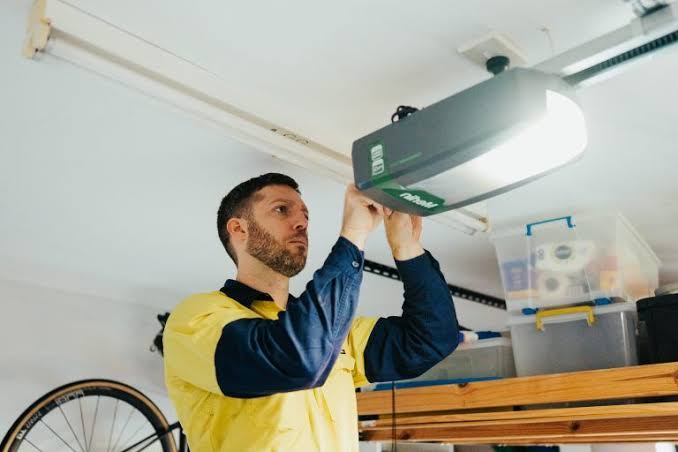
Is your old garage door opener making grinding noises or failing to respond to your remote? You are not alone; thousands of US homeowners face this frustrating issue every year. If you are wondering how much does it cost to make garage door automatic again with a new unit, this guide breaks down every expense you need to know.
Replacing a garage door opener is not just about buying a box off the shelf. It involves understanding motor types, installation complexities, and additional features that can significantly impact your final bill. In this article, we will explore the current market prices for 2026, helping you budget accurately and avoid hidden fees.
Average Cost to Replace a Garage Door Opener
The total cost to replace a garage door opener typically ranges between $350 and $1,200. This wide range depends on whether you install it yourself or hire a professional, as well as the type of motor you choose.
For most standard homes, the sweet spot for a reliable, mid-range opener with professional installation is around $450 to $650. This price usually includes the removal of the old unit, the new hardware, and labor.
| Component | Low-End Cost | High-End Cost |
|---|---|---|
| Basic Chain-Drive Unit | $150 – $250 | $300+ |
| Professional Installation | $150 – $250 | $400+ |
| Additional Features (Wi-Fi) | $0 (Built-in) | $100+ |
| Total Estimated Cost | $300 | $800+ |
Note: Prices vary by region and specific brand availability.
What Factors Influence the Replacement Cost?
Understanding what drives the price up or down helps you make an informed decision. The primary factors include the drive type, horsepower, and smart capabilities.
1. Drive Type: Noise vs. Durability
The mechanism that lifts your door plays a huge role in pricing.
- Chain-Drive: These are the most affordable and durable but tend to be noisy. They are ideal for detached garages.
- Belt-Drive: Slightly more expensive, these use a rubber belt for quieter operation. They are perfect for garages attached to living spaces.
- Screw-Drive: These have fewer moving parts and require less maintenance, sitting in the mid-price range.
2. Horsepower (HP) Requirements
Your door’s weight dictates the motor strength needed.
- ½ HP: Suitable for single, lightweight wooden or aluminum doors.
- ¾ HP: The standard for most double-car garage doors or heavier wooden doors.
- 1+ HP: Required for extra-heavy custom doors or high-use commercial settings.
3. Smart Home Integration
In 2026, connectivity is standard. However, advanced features like battery backups, integrated cameras, or premium Wi-Fi hubs can add $50 to $150 to the unit’s cost. While convenient, ask yourself if you truly need these extras.
DIY vs. Professional Installation: Which Saves More?
One of the biggest questions homeowners ask is whether they should install the opener themselves. Let’s break down the pros and cons.
DIY Installation
If you are handy with tools, you can save on labor costs. Most big-box stores sell “DIY-friendly” kits.
- Cost Savings: You save approximately $150–$250 in labor.
- Time Commitment: Expect to spend 4–6 hours on the project.
- Risk: Incorrect installation can void warranties or create safety hazards.
Professional Installation
Hiring a licensed technician ensures the job is done correctly and safely.
- Peace of Mind: Professionals handle wiring, sensor alignment, and tension adjustments.
- Warranty Protection: Many manufacturers require professional installation to honor the full warranty.
- Speed: A pro can complete the job in 2–3 hours.
For most users, especially those dealing with heavy doors or complex wiring, professional installation is worth the extra cost to ensure long-term reliability.
Step-by-Step Guide to Replacing Your Opener
If you decide to tackle this project yourself, follow these concrete steps to ensure safety and efficiency.
- Disconnect Power: Unplug the old opener and disconnect any wired wall controls.
- Release Tension: Carefully release the tension from the torsion springs using winding bars. Warning: Springs are under high tension and can be dangerous.
- Remove Old Unit: Unscrew the mounting brackets and lower the old motor rail.
- Assemble New Rail: Follow the manufacturer’s instructions to assemble the new rail and attach the trolley.
- Mount the Motor: Secure the header bracket above the door and hang the motor unit.
- Install Safety Sensors: Place sensors 6 inches above the floor on both sides of the door. Ensure they face each other directly.
- Connect Wiring: Wire the wall control, sensors, and power source according to the diagram.
- Test and Adjust: Plug in the unit and test the open/close cycles. Adjust the limit screws until the door opens fully and closes tightly against the ground.
For detailed safety standards regarding garage door systems, you can refer to the Consumer Product Safety Commission guidelines or general mechanical principles found on Wikipedia.
Common Signs You Need a Replacement
How do you know it’s time to spend the money? Look for these red flags:
- Excessive Noise: Grinding or screeching sounds indicate worn gears.
- Slow Response: If the door takes longer than usual to start moving, the motor may be failing.
- Frequent Repairs: If you have called a technician more than twice in two years, replacement is more cost-effective.
- Lack of Safety Features: Older models may not have modern auto-reverse sensors, which are crucial for family safety.
FAQ Section
How long does a garage door opener last?
Most garage door openers last between 10 to 15 years. Regular maintenance, such as lubricating the chain and checking sensor alignment, can extend this lifespan.
Can I use my old remote with a new opener?
Generally, no. New openers use different rolling code technologies for security. You will need to program new remotes or keypads that come with the new unit.
Is it expensive to add Wi-Fi to an existing opener?
If your current opener is compatible, you can buy a smart hub for $30–$60. However, if it is an older model, it is often more efficient to replace the entire unit with a modern smart opener.
Does replacing the opener affect the garage door warranty?
No, replacing the opener does not void the warranty on the door itself. However, ensure the new opener’s horsepower matches the door’s weight requirements to avoid strain.
What is the cheapest way to make a garage door automatic?
The most cost-effective method is buying a basic chain-drive unit and installing it yourself. This can keep your total costs under $300, provided you have the necessary tools and skills.
Conclusion
Replacing a garage door opener is a significant home improvement investment, but it enhances both convenience and security. By understanding how much does it cost to make garage door automatic, you can choose a solution that fits your budget without compromising on quality.
Whether you opt for a quiet belt-drive model with smart features or a sturdy chain-drive unit, ensure you prioritize safety and proper installation. If you found this guide helpful, please share it with your neighbors or on social media to help others navigate their home repair projects!
Leave a Reply