Is your garage door looking faded, chipped, or just plain outdated? You are not alone. Many homeowners face this dilemma, wondering if a fresh coat of paint can revive their home’s curb appeal without breaking the bank. If you are asking, “How much is it to paint a garage door,” you have come to the right place. This guide breaks down every cost factor, from DIY supplies to professional labor, helping you make an informed decision for your budget and your home.
Understanding the Average Cost to Paint a Garage Door
When planning your home improvement budget, knowing the baseline numbers is crucial. The cost to paint a garage door varies significantly based on whether you do it yourself or hire a professional.
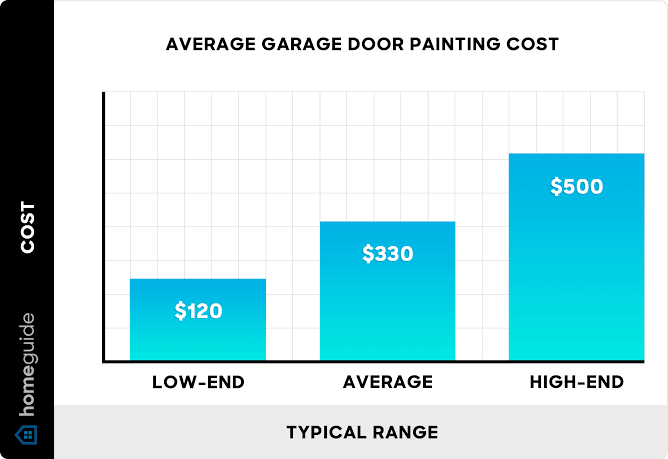
On average, homeowners spend between $150 and $400 for professional painting services. This range typically includes labor, prep work, and high-quality exterior paint. For those who prefer a hands-on approach, the DIY cost is much lower, usually ranging from $50 to $100. This covers the price of paint, primer, brushes, rollers, and cleaning supplies.
Several factors influence these prices:
- Door Size: Single-car doors are cheaper to paint than double-car or custom-sized doors.
- Material: Steel, wood, and fiberglass require different types of paint and preparation.
- Condition: A door with rust, peeling paint, or dents requires more prep time, increasing the cost.
- Location: Labor rates vary by region, with urban areas generally costing more than rural ones.
| Cost Factor | DIY Estimate | Professional Estimate |
|---|---|---|
| Materials Only | $50 – $100 | Included in labor |
| Labor | $0 (Your time) | $100 – $300 |
| Prep Work | Included in materials | Included in labor |
| Total Average | $50 – $100 | $150 – $400 |
DIY vs. Hiring a Pro: Which Is Right for You?
Deciding between doing it yourself and hiring a professional depends on your skill level, available time, and budget. Let’s break down the pros and cons to help you choose.
The DIY Approach
Painting your garage door yourself can save you hundreds of dollars. However, it requires patience and attention to detail.
Pros:
- Cost-Effective: You only pay for materials.
- Flexibility: Work on your own schedule.
- Satisfaction: Personal accomplishment of improving your home.
Cons:
- Time-Consuming: Prep and painting can take a full weekend.
- Learning Curve: Incorrect technique can lead to drips, streaks, or premature peeling.
- Physical Effort: Bending, scrubbing, and reaching can be strenuous.
Hiring a Professional
Hiring a pro ensures a flawless finish and saves you time. Professionals have the right tools and experience to handle any surface condition.
Pros:
- Quality Finish: Smooth, even coats with no visible brush marks.
- Time-Saving: Most jobs are completed in one day.
- Warranty: Many painters offer a guarantee on their work.
Cons:
- Higher Cost: Labor adds significantly to the total price.
- Scheduling: You need to coordinate with the painter’s availability.
According to industry experts, if your door is in good condition and you have basic painting skills, DIY is a viable option. However, for wooden doors requiring extensive sanding or steel doors with rust issues, professional help is recommended to ensure longevity.
Step-by-Step Guide to Painting Your Garage Door
If you decide to tackle this project yourself, following the correct steps is essential for a durable finish. Here is a detailed tutorial to guide you through the process.
Step 1: Gather Your Supplies
Before starting, ensure you have all necessary materials. Using high-quality supplies makes a significant difference in the final result.
- Exterior Paint: Choose acrylic latex or oil-based paint specifically designed for exterior use.
- Primer: Essential for bare wood or metal surfaces.
- Cleaning Supplies: Mild detergent, water, sponge, and a hose.
- Sandpaper: Medium-grit (120-150) for smoothing surfaces.
- Tools: Paintbrushes (angled sash brush for edges), roller with a smooth nap, painter’s tape, and drop cloths.
Step 2: Clean the Door Thoroughly
A clean surface is critical for paint adhesion. Mix 2 liters of water with a cup of mild detergent. Scrub the entire door to remove dirt, grease, and grime. Rinse thoroughly with a hose and let it dry completely. This step may take several hours depending on weather conditions.
Step 3: Prep and Sand
Inspect the door for any loose paint, rust, or imperfections. Use sandpaper to smooth out rough areas and remove loose paint. For steel doors, treat any rust spots with a rust-inhibiting primer. Wipe away all dust with a tack cloth.
Step 4: Apply Primer
If your door is bare wood, metal, or has been sanded down to the original surface, apply a coat of primer. This helps the paint adhere better and provides a uniform base. Allow the primer to dry according to the manufacturer’s instructions, usually 2–4 hours.
Step 5: Paint the Door
Start by painting the edges and recessed panels with a brush. Then, use a roller for the flat sections. Apply thin, even coats to avoid drips. Most doors require two coats of paint for full coverage. Allow the first coat to dry completely before applying the second. Ideal painting temperatures are between 10°C and 30°C (50°F–85°F) with low humidity.
For more detailed information on exterior paint types and their durability, you can refer to this Wikipedia article on Paint.
Factors That Influence Painting Costs
Understanding what drives up the cost can help you budget more accurately. Here are the key variables:
1. Door Material
- Steel: Easy to paint but requires rust treatment. Moderate cost.
- Wood: Requires more prep work (sanding, filling) and specific paints. Higher cost.
- Fiberglass/Aluminum: Low maintenance but may need special primers. Moderate cost.
2. Door Condition
A door in poor condition with cracks, dents, or extensive peeling paint will require more labor and materials. Expect to pay 20–30% more for doors needing significant repair.
3. Paint Quality
High-quality exterior paint costs more upfront but lasts longer. Cheap paint may fade or peel within a year, requiring repainting sooner. Investing in premium paint can save money in the long run.
4. Geographic Location
Labor costs vary by region. In high-cost-of-living areas like New York or San Francisco, professional painting services may charge $50–$100 more than the national average.
Frequently Asked Questions (FAQ)
Q1: How often should I paint my garage door?
Most experts recommend repainting your garage door every 5–10 years. However, this depends on the climate, paint quality, and exposure to sunlight. Inspect your door annually for signs of fading or peeling.
Q2: Can I paint over existing paint?
Yes, you can paint over existing paint if it is in good condition. Clean the surface thoroughly and lightly sand it to improve adhesion. If the old paint is peeling or chalky, you must scrape and sand it down before repainting.
Q3: What type of paint is best for garage doors?
Acrylic latex paint is widely recommended for garage doors because it is flexible, durable, and resistant to fading. For metal doors, oil-based paint can provide extra protection against rust, but it takes longer to dry and has stronger fumes.
Q4: Do I need to prime my garage door before painting?
Priming is necessary if you are painting bare wood, metal, or if you have sanded down to the original surface. If you are repainting over existing, well-adhered paint, a primer may not be needed, but using a paint-primer combo can enhance durability.
Q5: How long does it take to paint a garage door?
For a DIY project, expect to spend 1–2 days. This includes cleaning, prepping, priming, and applying two coats of paint with drying time in between. Professionals can usually complete the job in 4–6 hours.
Q6: Will painting my garage door increase my home’s value?
While painting a garage door may not directly increase your home’s appraised value, it significantly boosts curb appeal. A fresh, clean look can make a positive impression on potential buyers and complement your home’s overall aesthetic.
Conclusion
So, how much is it to paint a garage door? Whether you choose DIY ($50–$100) or hire a pro ($150–$400), the investment is worth it for the improved appearance and protection of your home. By understanding the costs, preparing properly, and choosing the right materials, you can achieve a beautiful, long-lasting finish.
Ready to transform your garage door? Share this guide with friends and family who might be considering the same project! Don’t forget to snap a before-and-after photo to showcase your hard work on social media. Happy painting!
Leave a Reply