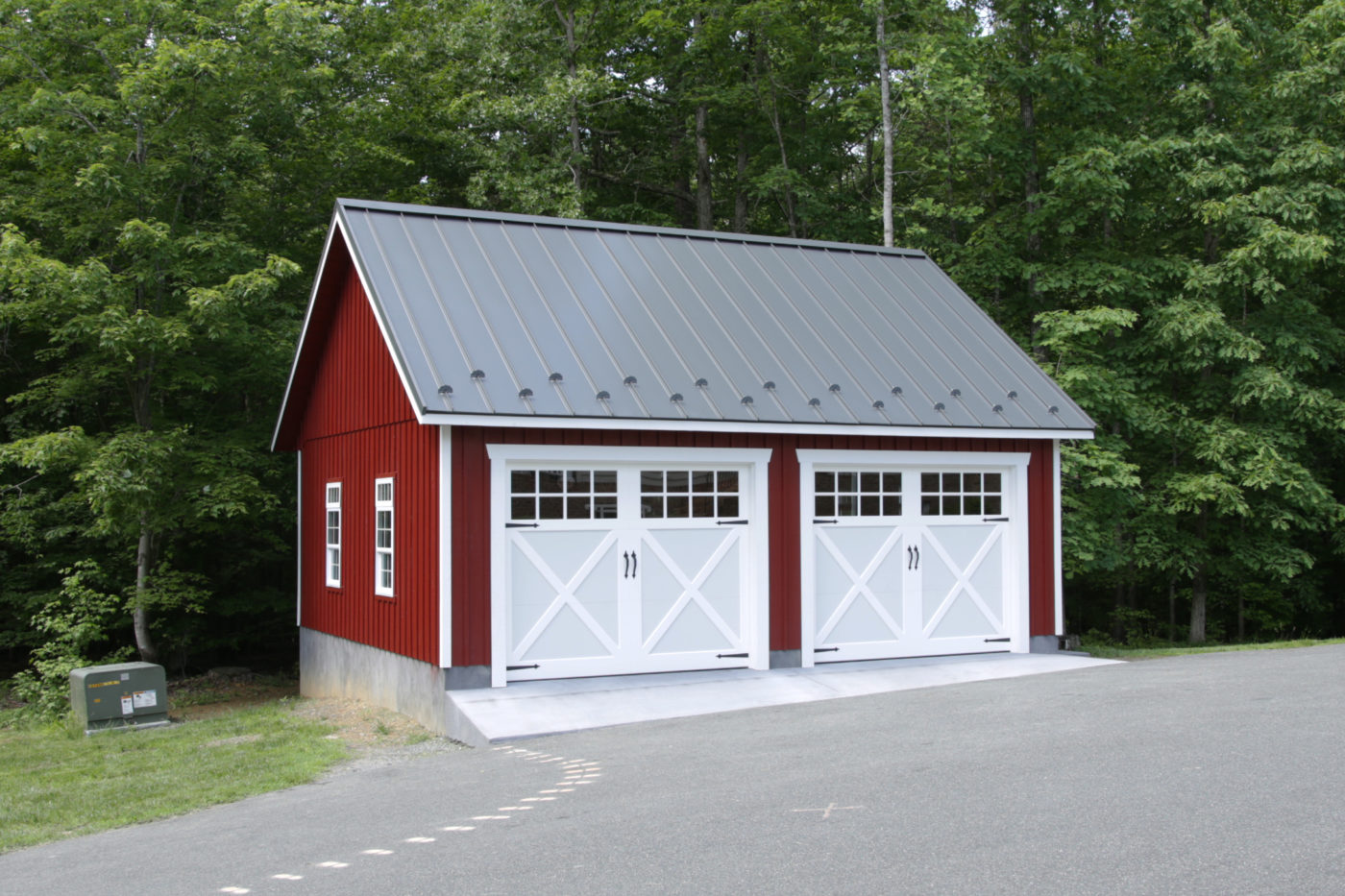
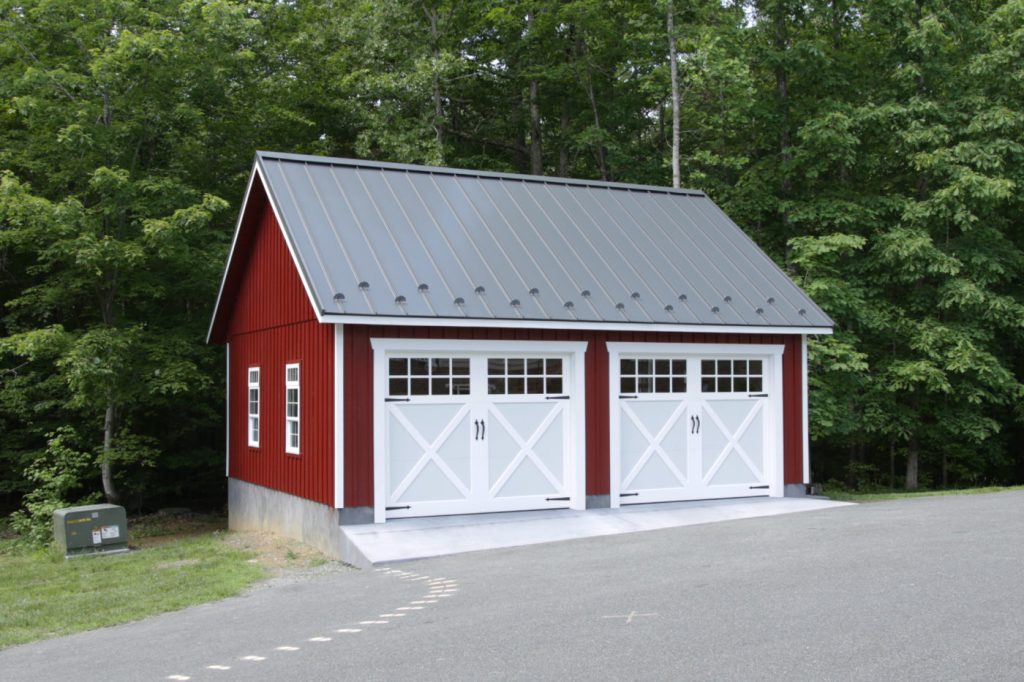
Replacing or installing a new garage door is one of those home improvement projects that can significantly boost your curb appeal and security. However, many homeowners are left wondering: how much is a two car garage door cost? The answer isn’t straightforward, as prices vary widely based on materials, styles, and installation complexity. In this guide, we’ll break down everything you need to know to make an informed decision without breaking the bank.
What Is the Average Cost of a Two-Car Garage Door?
The cost of a two-car garage door typically ranges from $800 to $4,500+, depending on several factors. For most homeowners, the sweet spot lies between $1,200 and $2,500 for a standard double-door setup including professional installation.
Breakdown by Material Type
| Material | Average Cost (Door Only) | Installed Cost Range |
|---|---|---|
| Steel | $800 – $1,800 | $1,200 – $2,800 |
| Aluminum | $900 – $2,000 | $1,300 – $3,000 |
| Wood | $1,500 – $4,500+ | $2,500 – $6,000+ |
| Fiberglass | $1,000 – $2,200 | $1,400 – $3,200 |
| Vinyl | $900 – $1,900 | $1,300 – $2,900 |
Note: Prices include standard sizes (16×7 feet) and basic insulation. Custom sizes, high-end finishes, or smart features will increase costs.
Steel remains the most popular choice due to its durability and affordability. According to industry reports, over 60% of residential garage doors sold in the U.S. are made of steel. If you’re looking for a balance between cost and performance, steel is hard to beat.
What Factors Influence Two-Car Garage Door Prices?
Several key elements determine your final bill. Understanding these will help you budget accurately and avoid unexpected surprises.
1. Material Selection
As shown above, material is the biggest price driver. Wood offers classic aesthetics but requires more maintenance. Steel provides excellent value, while aluminum and fiberglass offer rust resistance ideal for coastal areas.
2. Insulation Level
Insulated doors cost more upfront but save money long-term through energy efficiency. Look for the R-value rating:
- R-6 to R-8: Basic insulation ($100–$300 extra)
- R-12 to R-16: Mid-range insulation ($300–$600 extra)
- R-17+: Premium insulation ($600–$1,000+ extra)
If your garage is attached to your home or used as a workspace, higher insulation is worth the investment.
3. Style and Design
Standard raised-panel designs are the most affordable. Custom windows, decorative hardware, or carriage-house styles can add $200–$800 to your total. Glass panels, while beautiful, require tempered safety glass and increase both cost and fragility.
4. Brand Reputation
Established brands like Overhead Door, Clopay, and Amarr often charge premium prices but offer better warranties and customer support. Generic or local brands may save you 15–25% but could lack long-term reliability.
5. Geographic Location
Labor costs vary significantly by region. Homeowners in major metropolitan areas like New York or San Francisco may pay 20–40% more for installation compared to rural areas.
How Much Does Professional Installation Cost?
While DIY installation might seem tempting, professional installation is recommended for safety and warranty purposes. Expect to pay $300 to $800 for labor, depending on complexity.
What’s Included in Professional Installation?
- Removal and disposal of old door
- Installation of new tracks, springs, and hardware
- Alignment and balance testing
- Basic opener compatibility check
Warning: Garage door springs are under extreme tension and can cause serious injury if handled incorrectly. Always hire licensed professionals for spring-related work.
Should You Replace Just the Door or the Entire System?
This is a common dilemma. Here’s a quick comparison:
Door-Only Replacement
Pros:
- Lower upfront cost ($800–$2,500)
- Faster installation (2–4 hours)
Cons:
- Existing tracks/springs may not fit new door
- Potential compatibility issues with opener
- Shorter overall lifespan if other components are worn
Full System Replacement
Pros:
- Everything is new and compatible
- Longer warranty coverage
- Improved safety and performance
Cons:
- Higher cost ($1,500–$4,500+)
- Longer installation time (4–8 hours)
Expert Tip: If your current system is over 15 years old, replacing the entire system is usually more cost-effective in the long run.
How Can You Save Money on a Two-Car Garage Door?
You don’t have to overspend. Here are proven strategies to reduce costs:
- Get Multiple Quotes: Obtain at least three estimates from local installers. Prices can vary by 20–30% between companies.
- Choose Off-Season Timing: Schedule installation in late fall or winter when demand is lower. Many companies offer discounts during slower months.
- Stick to Standard Sizes: Custom sizes require special ordering and cost significantly more. Measure carefully to fit standard 16×7 or 18×7 foot openings.
- Consider Refurbished Options: Some dealers offer certified refurbished doors at 30–50% off retail prices.
- Bundle Services: If you also need a new opener or maintenance, ask for package deals.
Frequently Asked Questions
Q1: How long does a two-car garage door last?
A: Most garage doors last 15–30 years with proper maintenance. Steel doors tend to last longer than wood, which may require refinishing every 5–7 years. Regular lubrication and annual inspections can extend lifespan significantly.
Q2: Can I install a two-car garage door myself?
A: While technically possible, DIY installation is not recommended for most homeowners. Garage doors weigh hundreds of pounds, and improper installation can lead to safety hazards, voided warranties, and costly repairs. Professional installation ensures proper balance and alignment.
Q3: Do insulated garage doors really save money?
A: Yes, especially if your garage is attached to your home. Insulated doors can reduce energy bills by 10–20% in climates with extreme temperatures. They also provide better soundproofing and durability.
Q4: What size is a standard two-car garage door?
A: The standard size is 16 feet wide by 7 feet high. However, many modern homes use 18×7 feet or even 18×8 feet to accommodate larger vehicles like SUVs and trucks. Always measure your opening before purchasing.
Q5: Are there tax credits or rebates for energy-efficient garage doors?
A: Some states and utility companies offer rebates for insulated doors with high R-values. Check with your local energy provider or visit Energy.gov for current programs. Federal tax credits are rare but may apply in specific cases.
Q6: How often should I maintain my garage door?
A: Perform basic maintenance every 6 months: lubricate moving parts, check spring tension, and inspect cables for wear. Schedule a professional inspection annually to catch potential issues early.
Final Thoughts
Understanding how much is a two car garage door cost empowers you to make smart decisions for your home. Whether you choose budget-friendly steel or premium wood, investing in quality installation and regular maintenance will pay off in longevity and performance. Remember to compare quotes, consider insulation needs, and prioritize safety over short-term savings.
If you found this guide helpful, share it with friends or neighbors who might be planning similar home improvements. Your next step? Measure your garage opening and start requesting quotes from reputable local installers!
Leave a Reply