Introduction
There is nothing quite as frustrating as waking up to a garage door that refuses to open, especially when you are running late for work. If your door feels unusually heavy or makes a loud bang, the culprit is likely a broken torsion spring. Many homeowners immediately ask, “How much is a torsion spring for garage door?” because they need to budget for this urgent repair without getting overcharged.
In this guide, we will break down the exact costs, explain why prices vary, and help you decide whether to tackle this dangerous job yourself or hire a professional. We understand that unexpected home repairs can stress your wallet, so we have compiled transparent data to help you make an informed decision.
Understanding the Cost Breakdown
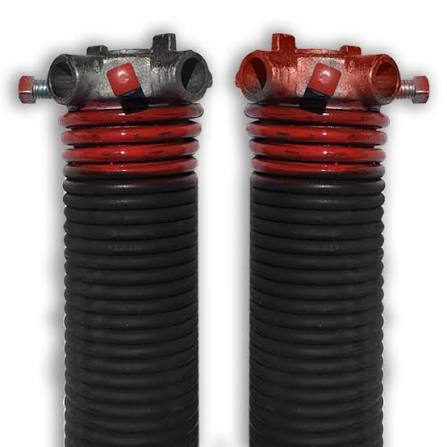
When calculating the total expense, it is crucial to distinguish between the price of the part itself and the cost of labor. A torsion spring is not just a simple metal coil; it is a high-tension component engineered to lift hundreds of pounds of steel and wood.
The Price of the Spring Alone
If you are looking to buy just the part, the cost of a single torsion spring typically ranges from $40 to $100. However, most garage doors use two springs to balance the weight evenly. Therefore, buying a pair will cost you between $80 and $200.
Several factors influence this base price:
- Wire Size: Thicker wires handle heavier doors and cost more.
- Cycle Life: Springs rated for 10,000 cycles are cheaper than those rated for 25,000 or 30,000 cycles.
- Material Quality: Galvanized steel is standard, but oil-tempered springs offer better durability in humid climates.
Professional Installation Costs
While the part seems affordable, the labor is where the bulk of the cost lies. Replacing a torsion spring is widely considered one of the most dangerous DIY home repairs due to the extreme tension involved.
Professional installation typically costs between $150 and $350. This fee covers:
- Safety Equipment: Technicians use specialized winding bars and clamps.
- Expertise: Properly balancing the door requires precise calculation.
- Liability Insurance: Protecting you in case of accidents during the repair.
Total Average Cost: For a complete replacement (parts + labor), most US homeowners pay between $200 and $450.
Factors That Influence Torsion Spring Prices
Why does your neighbor pay $250 while you might be quoted $400? Several variables affect the final bill. Understanding these can help you negotiate better or choose the right service provider.
| Factor | Impact on Cost | Explanation |
|---|---|---|
| Door Weight | High | Heavier double-car doors require larger, more expensive springs. |
| Spring Cycle Rating | Medium | Higher cycle springs last longer but cost 20-30% more upfront. |
| Geographic Location | Medium | Labor rates in cities like New York or San Francisco are higher than in rural areas. |
| Emergency Service | High | After-hours or weekend calls often incur a 50-100% surcharge. |
| Brand Reputation | Low | Premium brands may charge slightly more for warranty support. |
DIY vs. Professional Replacement: A Critical Comparison
One of the most common questions we encounter is whether saving money by doing it yourself is worth the risk. Let’s look at the facts.
The Case for DIY
- Cost Savings: You only pay for parts ($40–$100).
- Control: You choose the exact brand and cycle rating.
- Satisfaction: Completing a tough repair feels rewarding.
The Case for Hiring a Pro
- Safety: Torsion springs store enough energy to cause severe injury or death if they slip. According to safety guidelines, improper handling can lead to broken bones or lacerations.
- Warranty: Professionals often offer a 1–3 year warranty on both parts and labor.
- Accuracy: Pros ensure the door is perfectly balanced, preventing premature wear on your opener.
Expert Insight: “Never attempt to replace a torsion spring without proper winding bars and safety glasses. The tension released in a split second can be catastrophic.” — International Door Association Safety Guidelines
For more detailed technical specifications on spring mechanics, you can refer to the general engineering principles outlined on Wikipedia’s page on Torsion Springs.
Step-by-Step: What Happens During Professional Replacement?
If you hire a technician, here is what you can expect. Knowing the process helps you verify that the job is done correctly.
- Disconnection: The technician disconnects the garage door opener to prevent accidental activation.
- Unwinding: Using steel winding bars, they carefully release the tension from the old, broken spring. This is the most dangerous phase.
- Removal: The old spring is removed from the torsion tube.
- Installation: The new spring is slid onto the tube. It must match the exact wire size, length, and inside diameter of the old one.
- Winding: The technician winds the new spring to the correct number of quarter-turns. This is calculated based on the door’s height and weight.
- Testing: The door is manually lifted to check for balance. It should stay in place when opened halfway.
Signs Your Torsion Spring Needs Replacement
Don’t wait for a complete failure. Watch out for these early warning signs:
- Loud Bang: A sound like a gunshot indicates a spring has snapped.
- Gap in the Spring: Look for a visible separation in the coils.
- Heavy Door: If the manual release cord is pulled and the door is hard to lift, the springs are losing tension.
- Crooked Door: If one spring breaks, the door may tilt to one side.
Frequently Asked Questions (FAQ)
1. How long do garage door torsion springs last?
On average, torsion springs last between 7 to 9 years with normal use. This equates to roughly 10,000 cycles (one open and one close equals one cycle). If you open your door multiple times a day, they may wear out faster.
2. Can I replace just one torsion spring?
It is highly recommended to replace both springs, even if only one is broken. Since both springs were installed at the same time, the second one is likely near the end of its life. Replacing both ensures balanced lifting and saves you from another service call soon.
3. Is it safe to lubricate my torsion springs?
Yes, but use the right product. Use a silicone-based lubricant or a dedicated garage door spray. Avoid WD-40 as it can attract dust and grime, which may accelerate wear. Lubricating them twice a year can extend their lifespan.
4. Why is my garage door opener struggling to lift the door?
If the springs are broken or weak, the opener motor has to do all the work instead of just guiding the door. This can burn out the motor gears. Always ensure the springs are balanced before blaming the opener.
5. Do I need a permit to replace a garage door spring?
In most US jurisdictions, you do not need a permit for minor repairs like spring replacement. However, if you are replacing the entire door system or modifying the structure, local codes may apply. Always check with your local building department if you are unsure.
Conclusion
So, how much is a torsion spring for garage door? While the part itself costs between $40 and $100, the total investment for a safe, professional replacement typically ranges from $200 to $450. Considering the high risk of injury and the precision required for balancing, hiring a certified technician is often the wisest choice for most homeowners.
Remember, a well-maintained garage door not only secures your home but also adds to its curb appeal. Don’t let a small spring issue turn into a major safety hazard.
Found this guide helpful? Share it with your neighbors on Facebook or Twitter to help them prepare for unexpected home repairs. If you have more questions about garage maintenance, leave a comment below!
Leave a Reply