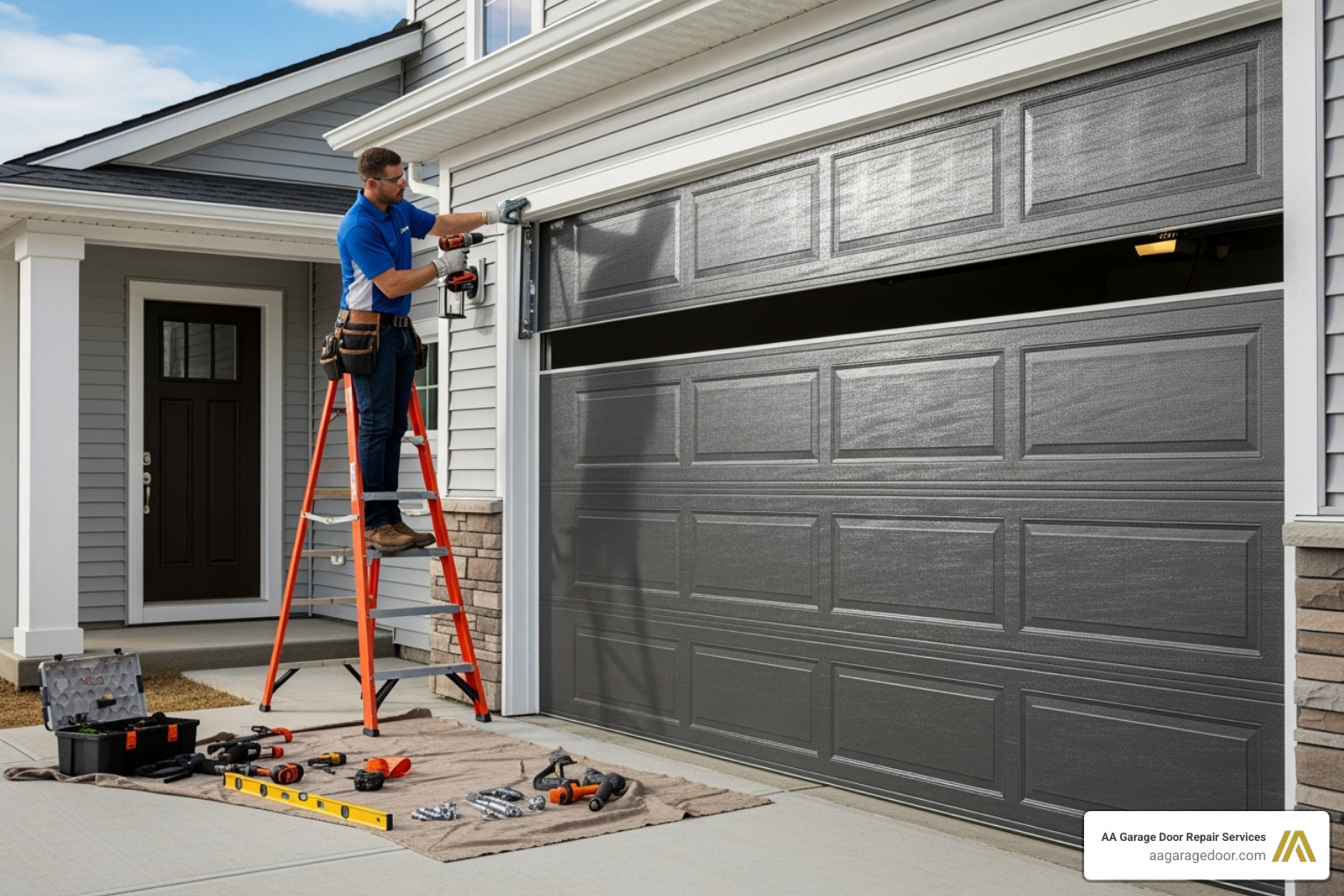
Replacing a garage door is one of those home improvement projects that homeowners often procrastinate on—until the old door starts making strange noises, gets stuck, or simply looks outdated. If you are wondering how much is a new garage door and installation, you are not alone. This upgrade not only enhances your home’s curb appeal but also improves security and energy efficiency. In this comprehensive guide, we will break down every cost factor so you can budget confidently for your 2026 project.
What Is the Average Cost of a New Garage Door and Installation in 2026?
The total cost of replacing a garage door varies significantly based on materials, size, and labor. On average, homeowners in the United States spend between $1,200 and $4,500 for a standard single-car garage door with professional installation. For double-car garage doors, the price range typically falls between $2,000 and $7,500.
Several key components make up this total:
- The Door Unit: $800–$3,500
- Labor and Installation: $400–$1,000
- Hardware and Accessories: $100–$300
- Disposal of Old Door: $50–$150
According to recent industry data, the national average sits around $2,800 for a mid-range steel door with standard insulation. However, premium materials like wood or custom designs can push costs well above $10,000. It is essential to get multiple quotes from licensed contractors to ensure you are getting a fair price for your specific needs.
How Do Different Materials Affect Garage Door Prices?
The material you choose is the biggest driver of cost. Each option offers unique benefits in terms of durability, maintenance, and aesthetics. Here is a detailed comparison to help you decide.
Steel Garage Doors
Steel is the most popular choice due to its affordability and durability.
- Cost: $800–$2,500
- Pros: Low maintenance, resistant to warping, available in various styles.
- Cons: Can dent easily, may rust if not properly coated.
Wood Garage Doors
Wood offers a classic, high-end look but requires more upkeep.
- Cost: $2,500–$10,000+
- Pros: Beautiful natural aesthetic, excellent insulation properties.
- Cons: High maintenance (staining/sealing), susceptible to weather damage, heavier weight requires stronger springs.
Aluminum and Glass Garage Doors
Modern and sleek, these are ideal for contemporary homes.
- Cost: $1,500–$4,500
- Pros: Rust-resistant, lightweight, allows natural light.
- Cons: Less insulation, aluminum can dent, glass requires regular cleaning.
Composite and Fiberglass
These materials mimic wood without the high maintenance.
- Cost: $1,200–$3,500
- Pros: Resistant to rot and insects, lighter than wood.
- Cons: Can fade over time, may crack in extreme cold.
| Material | Average Cost | Durability | Maintenance Level | Best For |
|---|---|---|---|---|
| Steel | $800–$2,500 | High | Low | Budget-conscious homeowners |
| Wood | $2,500–$10,000+ | Medium | High | Historic or luxury homes |
| Aluminum | $1,500–$4,500 | Medium | Low | Modern architectural styles |
| Composite | $1,200–$3,500 | High | Low | Humid climates |
Does Insulation Impact the Cost of a Garage Door?
Yes, insulation plays a crucial role in both pricing and performance. Garage doors are rated by their R-value, which measures thermal resistance. The higher the R-value, the better the insulation.
- Non-Insulated (R-0 to R-2): These are the cheapest options, typically single-layer steel. They are suitable for detached garages or mild climates. Cost impact: Lowest.
- Partially Insulated (R-6 to R-9): These doors have a polystyrene foam layer. They offer basic noise reduction and moderate temperature control. Cost impact: Moderate.
- Fully Insulated (R-12 to R-18): These feature polyurethane foam injected between steel layers. They provide superior energy efficiency, sound dampening, and durability. Cost impact: Higher initial cost, but long-term savings on energy bills.
If your garage is attached to your home, investing in a higher R-value door can help regulate indoor temperatures and reduce heating and cooling costs. For more details on energy efficiency standards, you can refer to the U.S. Department of Energy’s guidelines on home insulation.
What Are the Labor Costs for Professional Garage Door Installation?
While DIY installation might seem tempting, professional installation is recommended for safety and warranty purposes. Garage doors are heavy and under high tension, making them dangerous to handle without proper training.
Typical Labor Breakdown:
- Standard Installation: $400–$800. This includes removing the old door, installing the new door, and testing the system.
- Complex Installation: $800–$1,200. This applies to custom sizes, heavy wood doors, or if structural adjustments are needed.
- Additional Fees: Expect to pay extra for disposing of the old door ($50–$150) and purchasing new hardware like tracks, rollers, and springs ($100–$300).
Most professional installers include a warranty on their labor, typically ranging from 1 to 5 years. Always ask about this before signing a contract.
Are There Hidden Costs to Consider When Replacing a Garage Door?
Beyond the door and labor, several additional expenses can arise. Being aware of these helps avoid budget surprises.
- Garage Door Opener: If your current opener is incompatible or outdated, you may need a new one. Smart openers with Wi-Fi connectivity cost between $200 and $500.
- Structural Repairs: If the frame or header is damaged, repairs can add $200–$1,000 to the project.
- Permits: Some local municipalities require permits for garage door replacements. Check with your local building department; fees usually range from $50 to $200.
- Custom Sizes: Non-standard widths or heights require custom-order doors, which can increase costs by 20–50%.
- Decorative Hardware: Handles, hinges, and windows can add $100–$500 to the final bill.
How Can I Save Money on a New Garage Door and Installation?
You do not have to break the bank to get a quality garage door. Here are proven strategies to reduce costs:
- Choose Steel Over Wood: Steel offers the best balance of cost and durability.
- Stick to Standard Sizes: Custom sizes are expensive. Measure carefully and choose a standard size if possible.
- Get Multiple Quotes: Obtain at least three estimates from licensed contractors. Compare not just price, but also warranties and included services.
- Time Your Purchase: Installers are often less busy in late fall and winter. You may negotiate better rates during these off-peak seasons.
- Keep Existing Hardware: If your tracks and springs are in good condition, ask if they can be reused. However, prioritize safety—if in doubt, replace them.
Frequently Asked Questions (FAQ)
Q1: How long does it take to install a new garage door?
A typical professional installation takes 4 to 6 hours for a standard single-car door. Double-car doors or complex installations may take up to 8 hours. Factors like weather conditions and the need for structural repairs can extend this timeline.
Q2: Can I install a garage door myself to save money?
While technically possible, DIY installation is not recommended for most homeowners. Garage doors weigh hundreds of pounds and use high-tension springs that can cause serious injury if handled incorrectly. Professional installation ensures safety, proper alignment, and valid warranties.
Q3: How often should I replace my garage door?
Most garage doors last 15 to 30 years, depending on the material and maintenance. Steel doors tend to last longer than wood. Signs you need a replacement include excessive noise, visible damage, frequent repairs, and poor insulation.
Q4: Does a new garage door increase home value?
Yes. According to the Remodeling 2026 Cost vs. Value Report, garage door replacement consistently ranks as one of the top home improvement projects for ROI. Homeowners can recoup 70–90% of the cost upon resale, thanks to improved curb appeal and energy efficiency.
Q5: What warranty should I expect with a new garage door?
Most manufacturers offer a lifetime warranty on the door panels against defects. Springs and hardware typically have a 1–5 year warranty. Labor warranties from installers usually range from 1 to 2 years. Always read the fine print to understand what is covered.
Q6: Should I replace my garage door opener at the same time?
If your opener is more than 10 years old, it is advisable to replace it. Newer models are quieter, more energy-efficient, and come with smart features like smartphone control and battery backups. Installing both simultaneously can also save on labor costs.
Conclusion
Understanding how much is a new garage door and installation empowers you to make informed decisions for your home. With average costs ranging from $1,200 to $7,500, there is an option for every budget. By choosing the right material, considering insulation, and hiring a reputable professional, you can enhance your home’s security, efficiency, and aesthetic appeal.
Remember to get multiple quotes, check warranties, and plan for any additional costs like openers or permits. A new garage door is not just an expense—it is an investment in your home’s value and your daily comfort.
Found this guide helpful? Share it with friends and family who are planning their next home improvement project!
Leave a Reply