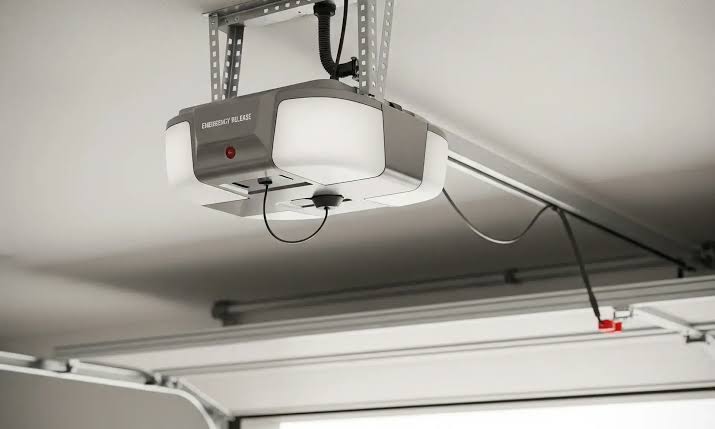
Choosing the wrong garage door opener can lead to premature motor burnout, noisy operations, or even safety hazards. Many homeowners struggle with this decision, often overspending on power they don’t need or underpowering a heavy door. If you are asking yourself, “How much horsepower does my garage door opener need,” you are in the right place to find a clear, data-driven answer.
Understanding Horsepower Ratings in Garage Door Openers
Before diving into specific numbers, it is crucial to understand what “horsepower” (HP) actually means in the context of residential garage doors. Unlike car engines, where horsepower dictates speed and acceleration, garage door opener horsepower refers to the torque and lifting capacity of the motor.
Most residential openers fall into three main categories:
- 1/2 HP: The standard for most single-car and lightweight double-car doors.
- 3/4 HP: Ideal for heavier wooden doors or frequently used double-car doors.
- 1+ HP: Reserved for extra-heavy custom doors, commercial use, or high-cycle environments.
According to industry standards, the majority of modern residential garage doors weigh between 150 and 350 pounds. However, the weight alone isn’t the only factor; the balance of the springs and the frequency of use play equally critical roles.
What Is the Standard Horsepower for a Residential Garage Door?
For the average American home, a 1/2 horsepower (HP) opener is the industry standard. This rating is sufficient for most sectional doors made of aluminum, steel, or fiberglass that weigh up to 350 pounds.
When Is 1/2 HP Enough?
- Single-car garage doors: Typically 7–8 feet wide.
- Lightweight double-car doors: Made of thin-gauge steel or aluminum.
- Infrequent use: If you only use the garage once or twice a day.
If your door is well-balanced and falls within this weight range, upgrading to a higher HP will not necessarily make the door open faster. Most openers operate at a standard speed of 7–9 inches per second, regardless of HP. The extra power mainly provides durability and smoother operation under load.
Do I Need a 3/4 HP Opener for My Double-Car Garage?
A common misconception is that all double-car garages require 3/4 HP. While it is a safer bet for longevity, it is not always mandatory. You should consider a 3/4 HP opener if your door meets any of the following criteria:
- Heavy Materials: Solid wood, thick insulated steel, or glass-paneled doors.
- Poor Spring Balance: If the door feels heavy when lifted manually, the motor must work harder.
- High Frequency: Families with multiple cars entering and exiting several times a day.
- Extreme Temperatures: In very cold climates, lubricants thicken, and metal contracts, increasing resistance.
A 3/4 HP motor provides a 20–30% increase in lifting torque compared to a 1/2 HP model. This extra buffer reduces strain on the gears and chain/belt, potentially extending the lifespan of the opener by several years. For more details on mechanical power ratings, you can refer to the general principles of Horsepower on Wikipedia.
Comparing Garage Door Opener Horsepower: A Quick Guide
To help you visualize the differences, here is a comparison table based on typical door types and usage scenarios.
| Horsepower (HP) | Max Door Weight | Best For | Pros | Cons |
|---|---|---|---|---|
| 1/3 HP | Up to 200 lbs | Small, lightweight single doors | Low cost, compact | Short lifespan, struggles with insulation |
| 1/2 HP | Up to 350 lbs | Standard single & light double doors | Cost-effective, widely available | May strain with heavy wood doors |
| 3/4 HP | Up to 600 lbs | Heavy wood, insulated, or frequent use | Durable, quieter operation, longer life | Higher initial cost |
| 1+ HP | 600+ lbs | Custom oversized or commercial doors | Maximum power, handles extreme loads | Overkill for most homes, expensive |
Expert Tip: Always check your door’s manual or consult a professional to determine its exact weight. An unbalanced door can double the effective load on the opener.
How Door Material and Insulation Affect Horsepower Needs
The material of your garage door significantly impacts its weight and, consequently, the horsepower required.
- Steel Doors: Non-insulated steel doors are lightweight and often work fine with 1/2 HP. However, polyurethane-insulated steel doors can weigh 20–30% more due to the dense foam core.
- Wood Doors: Solid wood or wood-composite doors are aesthetically pleasing but heavy. A standard 16-foot wide wooden door can easily exceed 400 pounds, making a 3/4 HP opener a necessity.
- Aluminum/Glass: These are lightweight but often large in surface area. Wind load can be an issue, so a slightly more powerful motor helps maintain stability during operation.
If you live in an area with harsh winters, insulation is common. Remember that insulation adds weight. If you recently upgraded from a non-insulated to an insulated door, your existing 1/2 HP opener might struggle, leading to premature failure.
Does Higher Horsepower Mean Faster Opening Speed?
No, this is one of the most persistent myths in the garage door industry. Horsepower does not equate to speed.
Most residential garage door openers are designed to operate at a safe, standardized speed to prevent injury and ensure smooth handling. Whether you have a 1/2 HP or a 1 HP opener, the door will likely open at the same rate (approximately 7–9 inches per second).
The benefit of higher horsepower is torque, not velocity. Think of it like a truck engine: a larger engine doesn’t necessarily make the truck go faster on the highway, but it allows it to haul heavier loads without straining. A higher HP opener will:
- Start and stop more smoothly.
- Handle wind resistance better.
- Last longer because the motor isn’t operating at its maximum capacity.
Step-by-Step: How to Determine the Right HP for Your Door
Follow these simple steps to calculate your needs accurately:
- Disconnect the Opener: Pull the red emergency release cord to disconnect the door from the opener track.
- Lift Manually: Lift the door halfway up. It should stay in place. If it falls, your springs are unbalanced, and you need a professional adjustment before buying a new opener.
- Estimate Weight:
- Single-layer steel: ~150–200 lbs.
- Insulated steel: ~250–350 lbs.
- Wood: ~350–500+ lbs.
- Assess Usage: Count how many times the door opens/closes daily. More than 5 cycles/day suggests a need for higher durability (3/4 HP).
- Check Existing Specs: Look at the label on your current motor. If it’s a 1/2 HP and struggling, upgrade to 3/4 HP.
FAQ Section
Q1: Can I use a 1/2 HP opener for a heavy wooden door?
Technically, you might get it to work initially, but it is not recommended. The motor will operate near its maximum capacity, leading to overheating, gear wear, and a significantly shorter lifespan. For wooden doors, always opt for 3/4 HP or higher.
Q2: Is there such a thing as too much horsepower?
For residential use, yes. Using a 1+ HP commercial-grade opener for a lightweight aluminum door is unnecessary and costly. It won’t damage the door, but you are paying for power you will never utilize. Stick to the 1/2–3/4 HP range for most homes.
Q3: Does the type of drive (chain, belt, screw) affect horsepower needs?
Not directly. However, belt-drive openers are quieter and often paired with higher HP motors for premium performance. Chain drives are robust and handle high torque well, making them a good match for 3/4 HP motors in heavy-duty applications.
Q4: How do I know if my current opener is underpowered?
Signs include:
- The motor hums but the door doesn’t move.
- The door reverses unexpectedly during closing.
- Excessive vibration or noise.
- The opener feels hot to the touch after use.
Q5: Will upgrading to a higher HP reduce noise?
Indirectly, yes. A motor that isn’t straining operates more smoothly. Additionally, higher-end models with 3/4 HP or more often come with better vibration-dampening features and DC motors, which are inherently quieter than traditional AC motors.
Conclusion
Determining how much horsepower does my garage door opener need comes down to balancing door weight, material, and usage frequency. For most standard homes, a 1/2 HP opener is sufficient and cost-effective. However, if you have a heavy wooden door, an insulated double-car door, or high daily usage, investing in a 3/4 HP model will provide better longevity, smoother operation, and peace of mind.
Don’t let an underpowered motor compromise your convenience or safety. Assess your door’s needs today, and choose the right horsepower to keep your garage running smoothly for years to come.
Found this guide helpful? Share it with your neighbors on Facebook or Twitter to help them avoid common garage door mistakes!
Leave a Reply