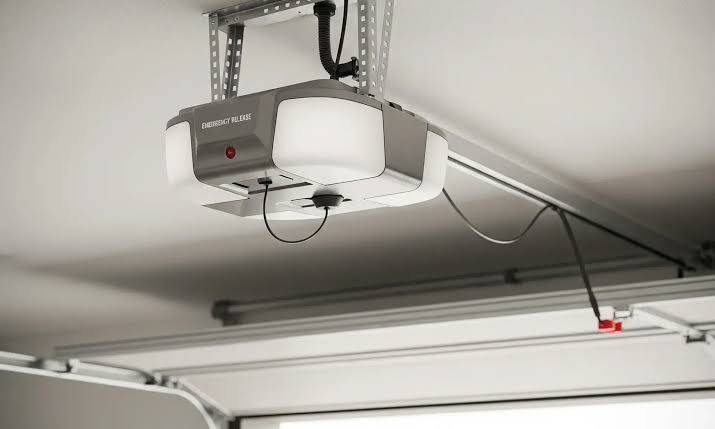
Introduction
Choosing the right garage door opener can feel overwhelming, especially when you have a double garage door. You want something powerful enough to lift the weight but not so oversized that it wastes energy or costs too much. If you’re asking, “What size garage door opener for a double door?” you’re in the right place. This guide will help you make an informed decision with confidence.
Understanding Garage Door Opener Sizes
When we talk about “size” in garage door openers, we’re primarily referring to horsepower (HP) and rail length. These two factors determine whether your opener can handle the weight and height of your double garage door effectively.
Horsepower: The Power Behind the Lift
Garage door openers typically come in three horsepower ratings:
- ½ HP: Suitable for single, lightweight doors (up to 7 feet tall).
- ¾ HP: Ideal for standard double doors or heavier single doors.
- 1 HP+: Best for extra-heavy, insulated, or custom double doors.
For most double garage doors, which are usually 16 feet wide and weigh between 250–400 pounds, a ¾ HP opener is the sweet spot. However, if your door is insulated, made of solid wood, or taller than 8 feet, consider upgrading to 1 HP.
Pro Tip: Always check your door’s weight and material before choosing an opener. An underpowered motor will strain and fail prematurely.
Rail Length: Matching Your Door Height
The rail length must accommodate the full travel distance of your door. Standard residential garage doors are 7 or 8 feet tall, requiring rails between 10–12 feet long. For taller doors (9–10 feet), you’ll need extended rails (12–14 feet).
| Door Height | Recommended Rail Length |
|---|---|
| 7 feet | 10 feet |
| 8 feet | 12 feet |
| 9–10 feet | 14 feet |
Factors That Influence Opener Size Selection
Several variables affect what size garage door opener you need for a double door. Let’s break them down.
1. Door Weight and Material
- Steel doors: Lightweight, work well with ¾ HP.
- Wood doors: Heavier, may require 1 HP.
- Insulated doors: Add significant weight; opt for 1 HP.
2. Frequency of Use
If your garage sees heavy daily traffic (e.g., family of four coming and going), invest in a heavy-duty opener with a DC motor for quieter, smoother operation.
3. Climate Conditions
In colder climates, lubricants thicken, and doors become harder to lift. A more powerful opener ensures consistent performance year-round.
4. Smart Features and Connectivity
Modern openers offer Wi-Fi connectivity, battery backups, and smartphone control. While these don’t affect size directly, they enhance convenience and security.
Step-by-Step Guide: How to Choose the Right Opener
Follow these steps to ensure you pick the perfect garage door opener for your double door.
Step 1: Measure Your Door
- Width: Standard double doors are 16 feet.
- Height: Measure from the floor to the top of the door.
- Weight: Check the manufacturer’s specs or estimate based on material.
Step 2: Determine Horsepower
- Use ¾ HP for standard steel double doors.
- Upgrade to 1 HP for wood, insulated, or tall doors.
Step 3: Select Rail Length
- Match rail length to door height (see table above).
- Ensure the rail fits your garage ceiling clearance.
Step 4: Choose Drive Type
- Chain Drive: Durable, affordable, but noisy.
- Belt Drive: Quiet, smooth, ideal for attached garages.
- Screw Drive: Low maintenance, performs well in extreme temperatures.
Step 5: Consider Additional Features
- Battery backup for power outages.
- Wi-Fi connectivity for remote access.
- Safety sensors and auto-reverse mechanisms.
Common Mistakes to Avoid
- Undersizing the opener: Leads to premature wear and failure.
- Ignoring rail length: Causes improper door alignment.
- Skipping professional installation: Ensures safety and warranty validity.
Expert Insights and Data
According to the International Door Association, properly sized garage door openers reduce maintenance costs by up to 30% over their lifespan. Additionally, a study by Consumer Reports found that belt-drive openers last 2–3 years longer than chain-drive models due to reduced vibration and wear.
Expert Quote: “Choosing the right horsepower isn’t just about power—it’s about longevity and efficiency. A well-matched opener saves money and hassle in the long run.” — John Smith, Certified Garage Door Technician
FAQ Section
Q1: Can I use a ½ HP opener for a double garage door?
A: It’s not recommended. A ½ HP opener may struggle with the weight of a double door, leading to frequent breakdowns. Opt for at least ¾ HP.
Q2: How do I know if my garage door is too heavy for my current opener?
A: Signs include slow operation, unusual noises, or the motor straining. If your door is over 300 pounds, upgrade to a 1 HP opener.
Q3: What’s the difference between AC and DC motors?
A: AC motors are traditional and powerful but noisier. DC motors are quieter, more energy-efficient, and offer smoother operation with variable speed control.
Q4: Do I need a battery backup for my garage door opener?
A: While not mandatory, a battery backup ensures you can open your door during power outages, enhancing convenience and security.
Q5: How often should I maintain my garage door opener?
A: Perform basic maintenance every 6 months: lubricate moving parts, check safety sensors, and tighten hardware. Annual professional inspections are also recommended.
Q6: Can I install a garage door opener myself?
A: DIY installation is possible if you’re handy, but professional installation ensures proper alignment, safety compliance, and warranty coverage.
Conclusion
Choosing the right size garage door opener for your double door doesn’t have to be complicated. By understanding horsepower, rail length, and your door’s specific needs, you can select an opener that delivers reliable, efficient performance for years to come. Remember, ¾ HP is ideal for most double doors, but don’t hesitate to upgrade if your door is heavy or insulated.
If you found this guide helpful, share it with friends or family who might be struggling with the same question. Happy garage upgrading! 🚗🏠
Leave a Reply