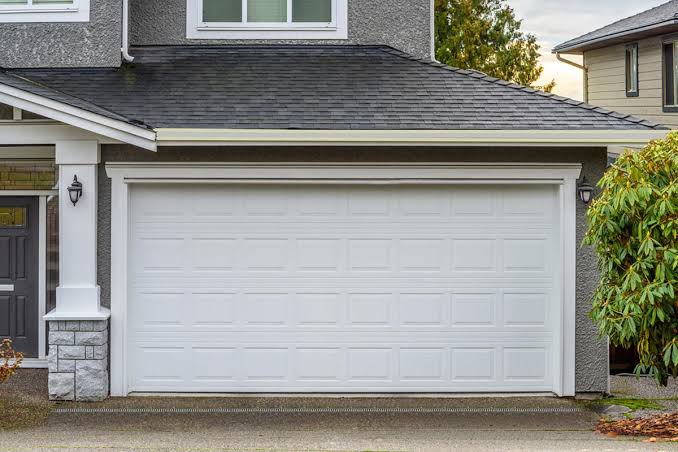
Dealing with a broken, noisy, or severely outdated entry can be incredibly frustrating, especially when you are completely unsure what to expect financially. If you are constantly wondering exactly how much does it cost to replace the garage door, you are definitely not alone, and we are here to help you navigate this major home upgrade. Let’s break down the pricing, materials, and labor fees so you can budget confidently and beautifully boost your home’s curb appeal.
How Much Does It Cost To Replace The Garage Door?
When planning your home improvement budget, it is essential to look at the national averages. On average, homeowners in the US spend between $750 and $2,500 for a complete garage door replacement, with the typical project landing right around $1,200.
However, the final price tag depends heavily on whether you have a single-car or double-car garage. A standard single-car door (usually 8 to 9 feet wide) will cost significantly less in both materials and labor compared to a double-car door (16 feet wide).
According to the latest Cost vs. Value Report by Remodeling Magazine, this is one of the smartest investments you can make. A garage door replacement recoups an astonishing 102.7% of its cost at resale, making it one of the few home upgrades that actually pays for itself!
What Factors Influence the Garage Door Installation Cost?
Several variables will dictate your final out-of-pocket expenses. Understanding these will help you avoid unexpected surprises on your invoice.
- Material Choice: The biggest cost driver. Steel is budget-friendly, while custom wood is a premium investment.
- Insulation Level: Adding polyurethane or polystyrene insulation increases the price but drastically improves your home’s energy efficiency.
- Windows and Hardware: Decorative wrought-iron overlays and dual-pane glass windows add aesthetic appeal but also add to the bottom line.
- Geographic Location: Labor rates vary wildly. Contractors in high-cost-of-living areas like New York or California will charge more for installation than those in the Midwest.
Cost Breakdown by Material
Choosing the right material is crucial for both your wallet and your home’s exterior design. Here is a quick breakdown of new garage door prices based on the material:
- Steel ($750 – $1,500): The most popular choice among US homeowners. It is highly durable, requires minimal maintenance, and resists cracking or warping.
- Wood ($1,500 – $4,000+): Offers a timeless, classic look. However, it requires regular staining or painting and is heavier, sometimes requiring upgraded springs.
- Aluminum and Glass ($1,500 – $3,000): Perfect for modern, contemporary homes. While aluminum frames are rust-resistant, the glass panels can be prone to breaking if hit by a stray basketball.
- Fiberglass ($1,000 – $2,500): An excellent option for coastal homes as it resists salt-air corrosion. However, it can become brittle in freezing temperatures.
Understanding the basic garage door mechanics is crucial here because heavier materials like solid wood require heavy-duty torsion springs, which can add an extra $100 to $200 to your final hardware bill.
Hidden Labor and Disposal Fees
When calculating your garage door replacement cost, do not forget about labor. Professional installation typically ranges from $300 to $600.
You should also budget for old door removal and disposal. Most contractors charge a flat fee of $100 to $200 to safely dismantle your old door, break down the materials, and haul them away to a local recycling center. If your existing metal tracks are bent or rusted, the installer will need to replace them, which usually adds another $150 to $250 to the project.
Step-by-Step: What to Expect on Installation Day
While we highly recommend hiring licensed professionals for overhead door replacement, it helps to know exactly what the crew will do when they arrive. Here is the precise installation process they will follow:
- Site Preparation and Safety Check: The crew will clear a strict 10-foot radius around your driveway to ensure safe maneuvering. They will verify the ambient temperature is between 50°F and 85°F to ensure the new rubber weather-stripping creates an airtight seal.
- Dismantling the Old System: Two technicians will safely disconnect the old opener and carefully unwind the existing torsion springs, which hold up to 250 lbs of dangerous tension.
- Track and Panel Assembly: They will align the new vertical steel tracks using a laser level to a strict 90-degree angle. The new panels (typically 4 to 8 sections) are then hinged together and secured with heavy-duty roller brackets.
- Spring Tensioning: The new torsion springs are mounted on the header shaft. Using steel winding bars, the technician will wind the springs precisely 30 to 35 quarter-turns to perfectly match the exact weight of your new door.
- Opener Calibration: Finally, they will mount the 120V motor unit to the ceiling joists. The photoelectric safety sensors are installed exactly 6 inches above the floor to detect obstacles and automatically reverse the door if a child or pet crosses the beam.
Pros vs. Cons: Insulated vs. Non-Insulated Garage Doors
Deciding whether to pay extra for an insulated garage door is a common dilemma. Here is a quick text infographic to help you decide:
Insulated Garage Doors
- Pros: Excellent temperature control (great if you have a room above the garage), significant noise reduction during operation, and much higher dent resistance.
- Cons: Higher upfront cost (adds $200–$600 to the price) and heavier overall weight, which puts more strain on the opener motor.
Non-Insulated Garage Doors
- Pros: Highly budget-friendly and lightweight, making them easier on the mechanical hardware.
- Cons: Poor thermal barrier (your garage will be as cold or hot as the outdoors) and very loud when opening and closing.
Expert Insights: Is It a DIY Project or Pro Job?
We get it—DIY projects can save you thousands. However, overhead door replacement is an exception.
“While painting or replacing weatherstripping might seem like a fun weekend DIY, replacing the actual door and high-tension springs can be extremely dangerous if mishandled,” says Mark Davis, a certified overhead door contractor with over 15 years of field experience. “The springs store enough kinetic energy to cause severe injury. Always hire a licensed, insured professional for the heavy lifting to protect yourself and your property.”
Frequently Asked Questions
Q1: Is it worth replacing an old garage door? Yes, absolutely. Beyond the massive boost to your home’s curb appeal, a new door improves security, energy efficiency, and safety. As mentioned, it consistently ranks as one of the top home improvements for return on investment (ROI).
Q2: How long does it take to replace a garage door? A professional crew can typically remove the old door and install a standard new one in 4 to 6 hours. Custom wood doors or doors requiring complex structural adjustments may take a full day or two.
Q3: Can I replace just the garage door panels? Yes, but only if your existing tracks, springs, and opener are in excellent condition and compatible with the new panels. However, mixing old hardware with new panels often voids the manufacturer’s warranty.
Q4: Does a new garage door increase home value? Yes. Real estate agents note that buyers make a judgment about a home within the first 10 seconds of pulling into the driveway. A modern, attractive door can increase your perceived home value and help your house sell faster.
Q5: How much does it cost to replace the garage door opener too? If your current motor is over 10 years old or excessively noisy, you should replace it alongside the door. Adding a new belt-drive or smart Wi-Fi opener typically costs an additional $200 to $500 installed.
Final Thoughts
Understanding how much does it cost to replace the garage door empowers you to make a smart, financially sound decision for your home. By factoring in materials, insulation, and professional labor, you can confidently set a realistic budget that guarantees a beautiful, long-lasting result. Not only will you love pulling into your driveway every day, but you will also enjoy a fantastic return on your investment when it is time to sell.
Did you find this pricing guide helpful? Share this article on Facebook, Pinterest, or Twitter to help a friend or neighbor who is currently planning their next big home renovation project!
Leave a Reply