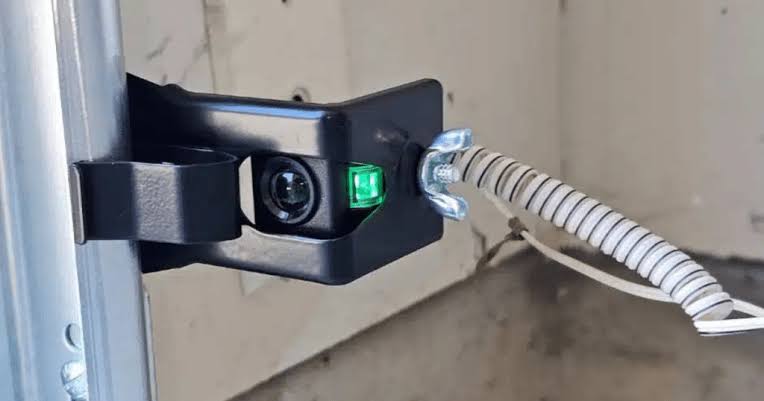
How Much Does It Cost To Replace Garage Door Sensors?
Your garage door won’t close, and the safety lights are blinking, leaving your car trapped inside. If you are wondering how much does it cost to replace garage door sensors, you are in the right place to find a budget-friendly solution. Let’s break down the exact pricing so you can get your door working smoothly again.
How Much Does It Cost To Replace Garage Door Sensors?
The total cost to replace these safety devices usually ranges from $80 to $150 if you hire a professional. However, if you choose the DIY route, you will only spend about $15 to $45 on the parts.
Understanding the price breakdown helps you decide whether to call a pro or grab your toolbox. Let’s look at the numbers.
Professional Replacement Costs
When you hire a certified technician, you are paying for both the parts and their labor.
- Service Call Fee: $50 to $75 (just to show up).
- Labor Rate: $75 to $100 per hour.
- New Sensor Parts: $25 to $45.
- Total Estimated Cost: $80 to $150.
Most professionals can finish this specific job in under an hour. Therefore, you are mostly paying for the convenience and their expertise.
DIY Replacement Costs
Doing it yourself is incredibly cost-effective. You only need to purchase a universal replacement kit.
- Universal Sensor Kit: $15 to $25.
- OEM (Original Equipment) Sensors: $30 to $45.
- Tools Needed: $0 (assuming you already own basic tools).
- Total Estimated Cost: $15 to $45.
What Causes Garage Door Sensors to Fail?
Before you spend any money, it is wise to check if the sensors are actually broken. Often, they just need a little TLC.
1. Misalignment This is the most common culprit. Even a slight bump from a lawnmower or a bicycle can knock the “eyes” out of alignment. If the infrared beam is broken, the door will reverse immediately.
2. Dirt and Debris Since they sit just inches from the floor, dust, mud, and spider webs can easily block the lens.
3. Water Damage Heavy rain or snow melting off your car can seep into the plastic housing. This causes internal wiring to short-circuit.
4. Sunlight Interference Believe it or not, direct afternoon sunlight can overpower the sensor’s infrared beam. This makes the door think there is an obstruction.
Can I Replace Garage Door Sensors Myself?
Yes, absolutely! Replacing them is one of the easiest garage door repairs. Here is a concrete, step-by-step tutorial to get it done safely.
Step 1: Gather Your Tools and Parts
You will need a universal sensor kit, a 5/16-inch nut driver, wire strippers, and electrical tape.
Step 2: Cut the Power
Go to your main electrical panel and flip the breaker for the garage door opener. Wait exactly 10 seconds to drain any residual electrical charge from the motor unit.
Step 3: Remove the Old Sensors
Use your 5/16-inch nut driver to loosen the wingnut on the bracket. Carefully pull the sensor off the mount.
Step 4: Splice the Wires
Cut the old sensor wires as close to the motor head as possible. Strip exactly 1/2 inch of insulation from both the old and new wires. Twist the matching colors together (usually white to white, black to black, and grey to grey) and secure them with wire nuts.
Step 5: Mount and Align
Attach the new sensors to the existing brackets. They must be exactly 4 to 6 inches off the ground. Adjust them until the LED indicator lights turn solid (no blinking).
“A misaligned sensor is the number one reason garage doors fail to close,” says certified garage door technician Mark Davis. “Before spending a dime, just check if the LED lights are solid green or red. If they are blinking, you just need to adjust the brackets, not buy new parts.”
Pros and Cons: DIY vs. Hiring a Professional
Not sure which route to take? Here is a quick comparison to help you decide.
| Feature | DIY Replacement | Hiring a Professional |
|---|---|---|
| Cost | Very Low ($15 – $45) | Moderate ($80 – $150) |
| Time Required | 45 to 60 minutes | 15 to 30 minutes |
| Skill Level | Beginner (Basic wiring) | Expert (No skill needed) |
| Warranty | Parts only | Parts and Labor |
| Risk Factor | Minor (Wrong wiring) | Zero (Fully insured) |
Expert Tips to Extend Your Sensor’s Lifespan
Once you have new sensors, you want them to last as long as possible. The average lifespan of a good quality sensor is 5 to 10 years.
To maximize this, wipe the plastic lenses with a clean microfiber cloth every month. Ensure the mounting brackets are tightly secured to the wall.
Furthermore, it helps to understand the mechanics behind your system. According to the foundational principles of a garage door opener, the safety reversal system relies heavily on unobstructed infrared beams to prevent accidents. Keeping the path clear is the best maintenance you can do.
Frequently Asked Questions (FAQ)
1. How do I know if my garage door sensor is actually bad?
Look at the small LED lights on both sensors. If one or both are completely dark, they are not receiving power. If the sending sensor is lit, but the receiving sensor is blinking, they are either misaligned or the internal hardware has failed.
2. Do both garage door sensors need to be replaced?
Not necessarily. If only one sensor is physically cracked or water-damaged, you can replace just that single unit. However, buying a pair is usually more cost-effective and ensures both sensors are the same age.
3. What is the average lifespan of garage door sensors?
With proper maintenance and protection from extreme weather, standard infrared sensors last between 5 to 10 years. Hardwired sensors tend to outlast wireless or battery-operated alternatives.
4. Can I bypass garage door sensors in an emergency?
Yes, most modern openers have a “force close” or bypass mode. You usually need to press and hold the wall button until the door closes completely. However, this disables the safety feature, so use it only in absolute emergencies.
Conclusion
Figuring out how much does it cost to replace garage door sensors doesn’t have to be a stressful experience. Whether you choose to spend $25 on a DIY kit or $150 for professional peace of mind, getting this fixed is crucial for your home’s security.
By understanding the pricing and following a simple maintenance routine, you can keep your garage running smoothly for years to come.
Did you find this guide helpful? Please share this article on your Facebook, Pinterest, or Twitter to help your friends and neighbors save money on their garage door repairs!
Leave a Reply