Have you noticed your garage feels like an icebox in winter or a sauna in summer? You are not alone. Many homeowners are asking how much does a new insulated garage door cost because they want to improve their home’s comfort and energy efficiency without breaking the bank.
Upgrading to an insulated garage door is one of the most impactful changes you can make to your home’s envelope. It reduces noise, stabilizes temperatures, and even boosts curb appeal. But before you call a contractor, you need a clear understanding of the investment involved. This guide breaks down every dollar, from basic models to premium custom designs, so you can budget with confidence.
What Is the Average Price Range for Insulated Garage Doors?
When planning your budget, it helps to know the market averages. In 2026, the cost of a new insulated garage door varies significantly based on size, material, and insulation quality.
Generally, you can expect to pay between $1,200 and $4,500 for a standard single-car insulated garage door, including professional installation. For double-car doors, the range typically shifts to $1,800 to $6,500+.
Here is a quick breakdown by door type:
- Basic Insulated Steel (R-8 to R-12): $1,200 – $2,500
- Mid-Range Polyurethane Foam (R-13 to R-17): $2,500 – $4,000
- Premium Wood-Composite or High-R Value (R-18+): $4,000 – $7,500+
These prices include the door itself, hardware, tracks, and professional labor. If you choose to DIY the installation, you might save $300–$600 on labor, but this is rarely recommended due to the heavy weight and tension of garage door springs.
How Do Materials and Insulation Types Affect Cost?
Not all insulation is created equal. The two primary types of insulation used in garage doors are polystyrene (styrofoam) and polyurethane (spray foam). Understanding the difference is key to answering how much does a new insulated garage door cost for your specific needs.
Polystyrene vs. Polyurethane
| Feature | Polystyrene (Beadboard) | Polyurethane (Spray Foam) |
|---|---|---|
| Insulation Method | Pre-cut panels inserted into sections | Injected foam that expands and bonds |
| R-Value Range | R-8 to R-12 | R-13 to R-19+ |
| Durability | Moderate; can shift over time | High; adds structural rigidity |
| Noise Reduction | Good | Excellent |
| Cost Impact | Lower initial cost | Higher initial cost, better long-term value |
Polyurethane-insulated doors are more expensive upfront, but they offer superior thermal performance and durability. The foam bonds to the steel skins, making the door stronger and quieter during operation. If you live in an extreme climate or use your garage as a workspace, the extra cost for polyurethane is often worth it.
For a deeper understanding of thermal resistance metrics, you can review the scientific standards for R-value on Wikipedia.
Does Size and Style Change the Final Price?
Yes, size and style are major cost drivers. A standard 8×7-foot single-door is the most affordable option. However, if you have an oversized RV bay or a custom architectural style, prices climb quickly.
- Single Car (8×7 or 9×7): Most economical.
- Double Car (16×7 or 18×7): Requires more material and heavier-duty springs.
- Custom Sizes: Non-standard widths or heights often require special-order manufacturing, adding 15–25% to the base price.
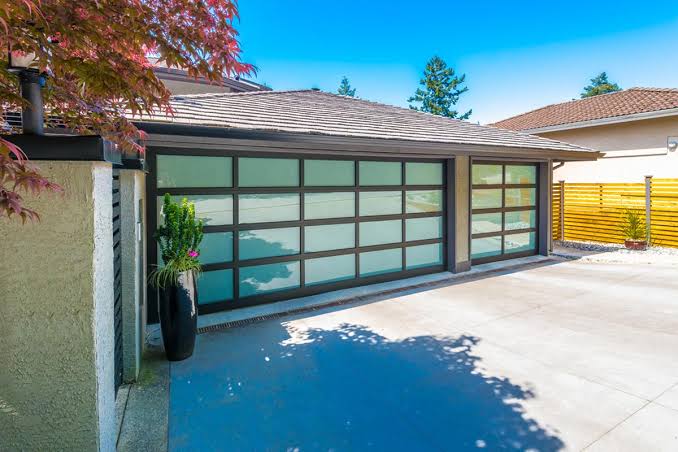
Style also matters. Traditional raised-panel designs are standard and affordable. If you opt for modern full-view glass doors or carriage-house styles with decorative hardware, expect to pay a premium. These aesthetic upgrades can add $500–$1,500 to your total bill.
What Are the Hidden Costs of Installation?
The sticker price of the door is only part of the equation. When calculating how much does a new insulated garage door cost, you must account for potential hidden fees.
- Old Door Removal: Most installers charge $50–$150 to haul away your old door.
- Structural Repairs: If your framing is rotted or misaligned, repairs can cost $200–$500.
- New Opener Compatibility: Insulated doors are heavier. Your existing opener may not have enough horsepower. Upgrading to a ¾ HP or 1 HP smart opener costs $300–$600.
- Permits: Some municipalities require permits for garage door replacements, ranging from $50 to $200.
Always ask for a detailed quote that includes “out-the-door” pricing to avoid surprises on installation day.
Is an Insulated Garage Door Worth the Investment?
Many homeowners hesitate because of the higher upfront cost. However, the return on investment (ROI) for insulated garage doors is substantial, especially in regions with hot summers or cold winters.
Energy Savings
An insulated door acts as a thermal barrier. If your garage is attached to your house, it prevents conditioned air from escaping. Studies suggest that proper garage insulation can reduce overall home energy bills by 5–10%, particularly if HVAC ducts or water heaters are located in the garage.
Noise Reduction
If you live near a busy street or have a workshop in your garage, insulation dampens sound. Polyurethane foam, in particular, reduces the “clang” of metal doors operating, creating a quieter home environment.
Durability and Resale Value
Insulated doors are structurally stronger than non-insulated ones. They resist denting better and last longer. From a real estate perspective, an updated, insulated garage door offers one of the highest ROIs of any home improvement project, often recouping 90–95% of its cost at resale.
How to Choose the Right R-Value for Your Climate?
The R-value measures thermal resistance. The higher the number, the better the insulation. Choosing the right R-value depends on where you live.
- Mild Climates (R-8 to R-12): Suitable for regions with moderate temperatures. Polystyrene insulation is usually sufficient here.
- Moderate Climates (R-13 to R-16): Ideal for most of the US. Provides good balance between cost and performance.
- Extreme Climates (R-17+): Necessary for very cold northern states or hot desert regions. Polyurethane foam is recommended to maintain stable temperatures.
If you use your garage as a living space, gym, or office, aim for R-18 or higher regardless of your climate. This ensures maximum comfort and minimal energy loss.
FAQ Section
Q: Can I install an insulated garage door myself to save money?
A: While technically possible, it is not recommended. Garage doors are under high tension and weigh hundreds of pounds. Improper installation can lead to serious injury or damage to the door mechanism. Professional installation ensures safety, warranty validity, and proper alignment.
Q: How long does an insulated garage door last?
A: With proper maintenance, an insulated steel garage door can last 15–30 years. The insulation itself does not degrade significantly over time, but the mechanical components (springs, rollers) may need replacement every 7–10 years.
Q: Will an insulated door fit my existing tracks?
A: Not always. Insulated doors are thicker than non-insulated ones. You may need to upgrade your tracks and rollers to accommodate the extra width and weight. A professional installer will assess this during the measurement phase.
Q: Does insurance cover the cost of a new garage door?
A: Homeowners insurance typically covers garage door replacement only if the damage is caused by a covered peril, such as a storm, fire, or vehicle impact. It does not cover wear and tear or voluntary upgrades for energy efficiency.
Q: What is the best month to buy a garage door?
A: Late fall and winter are often the best times to buy. Demand is lower, and many companies offer discounts to keep their crews busy. However, spring is popular for home improvements, so schedule early if you prefer warmer weather installation.
Conclusion
Understanding how much does a new insulated garage door cost is the first step toward a smarter, more efficient home. While the initial investment ranges from $1,200 to $6,500+, the long-term benefits in energy savings, noise reduction, and durability make it a worthwhile upgrade.
Don’t just look at the price tag—consider the value. Choose the right R-value for your climate, select a durable material like polyurethane, and hire a reputable installer. Your garage will thank you, and so will your utility bill.
Found this guide helpful? Share it with your neighbors on Facebook or Pinterest to help them make informed home improvement decisions!
Leave a Reply