Upgrading your home’s curb appeal is exciting, but figuring out the budget can feel overwhelming when you ask, “How much does a new double garage door cost?” Don’t worry, because we have broken down the exact 2026 pricing, material options, and installation fees to help you plan your project with absolute confidence.
Breaking Down How Much Does A New Double Garage Door Cost
When planning your home improvement budget, understanding the baseline numbers is crucial. In 2026, the national average total cost to purchase and install a standard double garage door typically ranges between $1,200 and $4,500.
The final price heavily depends on whether you choose a basic, non-insulated steel model or a premium, custom-built carriage house door. Most homeowners spend around $2,500 for a mid-range, insulated steel double door with professional installation.
It is important to remember that this total is split into two main categories: the cost of the materials and the cost of labor. While it might be tempting to buy the cheapest option available, investing in high-quality materials often saves you money on energy bills and maintenance over the next two decades.
Average Double Garage Door Prices by Material
The material you choose is the single biggest factor influencing your total bill. Below is a comparison table to help you weigh your options.
| Material Type | Average Cost Range (Materials Only) | Durability | Maintenance Level |
|---|---|---|---|
| Steel | $600 – $2,500 | High | Low |
| Wood | $1,500 – $5,000+ | Moderate | High |
| Aluminum/Glass | $2,000 – $6,000 | Moderate | Low |
| Fiberglass | $1,000 – $3,000 | Moderate | Low |
Why Steel is the Most Popular Choice
Steel remains the favorite for American homeowners due to its affordability and resilience. It resists cracking and warping, making it ideal for varying US climates. Modern steel doors often come with a baked-on enamel finish that rarely needs repainting.
The Premium Appeal of Wood
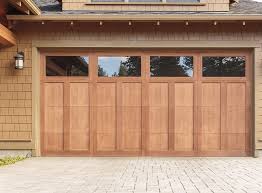
If you own a traditional or craftsman-style home, authentic wood provides unmatched aesthetic warmth. However, wood requires regular staining or painting to protect it from moisture and sun damage.
According to general architectural definitions on Wikipedia, a garage door serves as the primary shield for your vehicles and storage, meaning material longevity should always be a top priority when making your final selection.
What Factors Impact Your Garage Door Installation Cost?
Beyond the raw materials, several hidden variables can push your budget higher or lower. Understanding these will prevent any nasty surprises when the final invoice arrives.
- Insulation and R-Value: Adding polyurethane insulation can add $200 to $600 to your total. However, an insulated door keeps your garage up to 20 degrees warmer in the winter, significantly lowering your home’s heating costs.
- Hardware and Upgrades: Heavy-duty hinges, nylon rollers (which are much quieter than steel), and premium handles usually add about $100 to $250 to the project.
- Removing the Old Door: Most contractors charge a disposal fee to safely dismantle and haul away your existing door. Expect to pay between $100 and $200 for this service.
- Smart Openers: If you need a new Wi-Fi-enabled smart garage door opener, add an extra $250 to $450 to your final budget.
Insulated vs. Non-Insulated Double Garage Doors
Is paying extra for insulation really worth it? Let’s look at a quick text infographic comparing the two options.
Insulated Double Garage Doors (Pros vs Cons)
- Pros: Superior energy efficiency, much quieter operation, highly resistant to dents, and increases the overall structural integrity of the door.
- Cons: Higher upfront cost and slightly heavier weight, which may require upgrading your springs and opener motor.
Non-Insulated Double Garage Doors (Pros vs Cons)
- Pros: Very budget-friendly, lightweight, and perfectly adequate for detached garages or mild climates.
- Cons: Offers zero temperature control, easily dented by accidental bumps, and transfers road noise from the outside directly into your home.
Expert Tip: If your garage shares a wall with a bedroom or living space, always choose an insulated door with an R-value of at least 12. The energy savings alone will pay for the upgrade within the first three years.
Step-by-Step Guide to Buying and Installing Your New Door
Purchasing a double garage door is a highly precise process. Follow these concrete steps to ensure a flawless fit and a smooth installation day.
- Measure the Opening Precisely: Grab a steel tape measure. The standard US double garage door opening is exactly 16 feet wide and 7 feet high. Measure the width at the top, middle, and bottom. If your measurements vary by even half an inch, you will need to order a custom-sized door.
- Determine Your Required Headroom: Measure the space between the top of the door opening and the ceiling. Standard torsion spring systems require a minimum of 12 inches of clearance. If you have less, you must order a specialized low-headroom track system.
- Check the Sideroom: Measure the distance from the edge of the door opening to the nearest interior wall. You need exactly 3.75 inches on each side to mount the vertical tracks securely.
- Select Your Insulation Rating: Choose an R-value based on your climate. Use an R-8 rating for southern states with mild winters, and an R-16 to R-18 rating for northern states experiencing freezing temperatures.
- Schedule Professional Installation: A professional crew of two technicians will typically take 4 to 6 hours to remove the old door, assemble the new panels, calibrate the high-tension springs, and test the safety sensors.
Warning: Never attempt to install or repair high-tension garage door springs yourself. They hold hundreds of pounds of kinetic energy and can cause severe injury if handled incorrectly. Always leave the spring calibration to licensed professionals.
Frequently Asked Questions (FAQ)
1. Can I install a double garage door myself to save money?
While DIY installation might save you $300 to $500 in labor costs, it is highly discouraged for double doors. Double doors are incredibly heavy, and the high-tension springs are dangerous to adjust without specialized tools. Furthermore, many manufacturers will completely void your warranty if the door is not installed by a certified professional.
2. How long does a new double garage door last?
The lifespan of your door depends heavily on the material. A high-quality steel door will easily last 20 to 30 years with minimal maintenance. Wood doors typically last 15 to 20 years, while the mechanical components (like the springs and opener) will need replacing every 10 to 12 years, or roughly every 10,000 cycles.
3. Does a new double garage door increase home value?
Yes, absolutely. According to recent real estate remodeling impact reports, replacing a garage door consistently yields one of the highest returns on investment (ROI) of any home improvement project. Homeowners can expect to recoup 100% to 105% of the project cost in increased property value, largely due to the massive boost in curb appeal.
4. Do I need a building permit to replace my garage door?
In most US municipalities, you do not need a permit if you are simply replacing an existing door with a new one of the exact same size. However, if you are widening the opening, altering the structural framing, or adding a new door where a wall used to be, a permit and subsequent inspection will be legally required.
5. How much do custom double garage doors cost?
If you want a unique architectural style, such as a modern full-view glass door or a custom wood carriage house door with decorative wrought-iron hardware, expect the price to skyrocket. Custom double garage doors typically range from $5,000 to well over $12,000, factoring in both bespoke manufacturing and specialized installation.
6. What is the cheapest type of double garage door?
The most affordable option is a single-layer, non-insulated steel door. These basic models usually cost between $600 and $900 before installation. While they are highly cost-effective upfront, they offer no thermal protection and are highly prone to denting from stray baseballs or minor vehicle bumps.
Conclusion
Figuring out the exact budget for your home improvement project doesn’t have to be a stressful guessing game. By understanding the material options, insulation benefits, and labor requirements, you now know exactly what to expect when pricing out your upgrade. A new door not only secures your vehicles but dramatically transforms the exterior aesthetic of your entire property, offering an incredible return on investment.
Leave a Reply