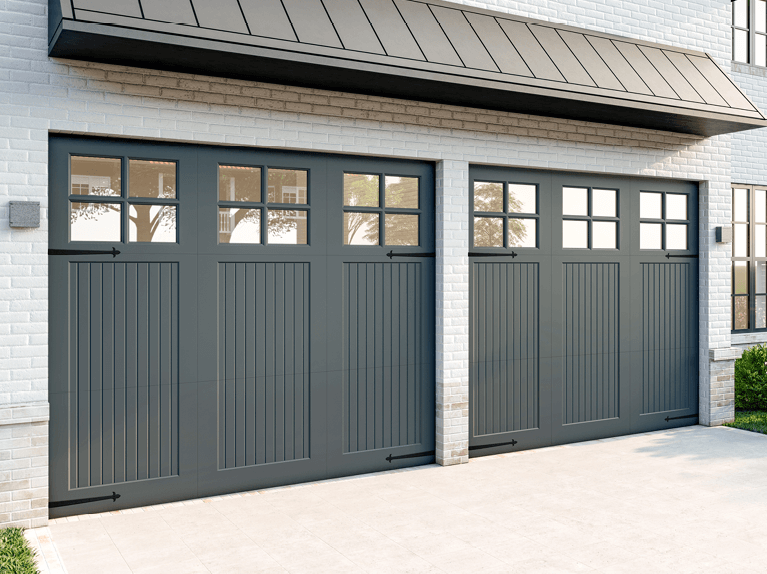
Replacing or upgrading your garage entrance is a significant home improvement project that impacts both curb appeal and security. If you are planning a renovation or dealing with a broken mechanism, you are likely wondering how much does a 2 door garage door cost. This guide breaks down every expense, from basic steel models to high-end custom wood, ensuring you make an informed financial decision without hidden surprises.
Understanding the Average Cost of a 2-Door Garage Door
When homeowners ask about pricing, they are usually looking for a ballpark figure to start their budgeting process. In 2026, the cost for a standard 16×7 foot double garage door typically ranges between $1,200 and $4,500 for the door unit itself. However, when you factor in professional installation, hardware, and potential structural modifications, the total project cost often lands between $2,500 and $6,000.
It is crucial to understand that “2 door” usually refers to a single wide opening designed for two vehicles, commonly known as a double garage door. These doors are standardly 16 feet wide and 7 or 8 feet tall. The price variance is driven primarily by three factors: material choice, insulation levels, and design complexity.
For a basic, non-insulated steel door, you might find options starting as low as $800, but these rarely include installation. On the other end of the spectrum, custom carriage-house style wood doors with high R-value insulation can exceed $10,000 fully installed. Knowing where your needs fall on this spectrum is the first step to controlling costs.
How Material Choice Impacts Your Budget
The material you choose is the single biggest determinant of price. Each option offers different benefits regarding durability, maintenance, and aesthetics. Here is a breakdown of the most common materials found in the US market.
Steel: The Affordable Workhorse
Steel remains the most popular choice for American homes due to its affordability and durability.
- Cost: $1,200 – $3,500 (installed)
- Pros: Low maintenance, resistant to warping, available in many styles.
- Cons: Can dent easily; lower-end models may rust if the coating is scratched.
Wood: The Premium Aesthetic
Wood doors offer unmatched beauty and can be customized to match your home’s architecture perfectly. However, they require significant upkeep.
- Cost: $3,000 – $10,000+ (installed)
- Pros: Natural beauty, high customization, excellent insulation properties.
- Cons: High maintenance (staining/sealing), susceptible to weather damage, heavy.
Aluminum and Glass: The Modern Look
Popular in contemporary homes, especially in warmer climates like California and Florida, these doors feature large glass panels.
- Cost: $2,500 – $6,000 (installed)
- Pros: Sleek appearance, natural light, rust-resistant.
- Cons: Poor insulation unless specially treated, glass can break, higher security risk.
Composite/Faux Wood: The Best of Both Worlds
Composite materials mimic the look of wood but are made from durable polymers or fiberglass.
- Cost: $2,000 – $4,500 (installed)
- Pros: Wood-like appearance, low maintenance, durable.
- Cons: Limited color options compared to real wood, can be expensive.
Does Insulation Really Matter for Cost?
Many homeowners overlook insulation, thinking it is an unnecessary upsell. However, if your garage is attached to your home or used as a workspace, insulation is critical. Insulated doors are measured by their R-value, which indicates thermal resistance.
| Insulation Type | R-Value Range | Price Impact | Best For |
|---|---|---|---|
| Non-Insulated | R-0 to R-2 | Base Price | Detached garages, mild climates |
| Polystyrene | R-6 to R-9 | +$200–$500 | Basic temperature control |
| Polyurethane | R-12 to R-18 | +$500–$1,000 | Attached garages, energy efficiency |
Polyurethane foam is injected into the door sections, providing superior sound dampening and structural rigidity. While it increases the upfront cost, it can lower your energy bills if your HVAC system runs through the garage. For more detailed information on building standards and energy efficiency, you can refer to resources like Wikipedia’s entry on Thermal Insulation.
Installation Costs: DIY vs. Professional Hiring
One of the most frequent questions is whether you can save money by installing the door yourself. While a 2-door garage door is heavy and complex, some experienced DIYers attempt it. However, the risks often outweigh the savings.
Professional Installation Breakdown
Professional installation typically costs between $500 and $1,200. This fee includes:
- Removal and disposal of the old door.
- Installation of new tracks, hinges, and rollers.
- Calibration of springs and openers.
- Safety testing and warranty registration.
The Danger of DIY
Garage doors are under extreme tension, particularly the torsion springs. A snapped spring can cause severe injury or property damage. According to industry experts, improper installation can also void the manufacturer’s warranty. If you are not comfortable working with high-tension mechanical systems, hiring a licensed professional is the safest route.
Additional Costs to Consider
When calculating how much does a 2 door garage door cost, do not forget the ancillary expenses that can sneak up on you.
- Garage Door Opener: A new smart opener with Wi-Fi connectivity costs between $300 and $600. If your existing opener is older than 10 years, it is wise to replace it simultaneously.
- Hardware Upgrades: Standard hinges and rollers are functional, but upgrading to nylon-coated rollers ($50–$100 extra) can significantly reduce noise.
- Structural Repairs: If your garage frame is rotting or misaligned, carpentry work may be needed before the new door can be installed. This can add $200–$1,000 to the bill.
- Permits: Some municipalities require permits for garage door replacements. Check with your local building department; fees usually range from $50 to $200.
Factors That Influence Regional Pricing
Your location plays a surprising role in the final price. Labor rates vary significantly across the United States. For instance, installation in major metropolitan areas like New York City or San Francisco will be considerably higher than in rural Midwest towns due to labor costs and demand.
Additionally, climate-specific requirements affect price. Homes in hurricane-prone zones like Florida may require impact-resistant doors, which are engineered to withstand high winds and debris. These specialized doors can cost 20–30% more than standard models.
Step-by-Step Guide to Getting an Accurate Quote
To ensure you get a fair price, follow these steps when contacting contractors:
- Measure Your Opening: Measure the width and height of your current door opening accurately. Standard double doors are 16×7 feet, but older homes may have non-standard sizes.
- Identify Your Material Preference: Decide if you want steel, wood, or composite. Have photos of your home’s exterior ready to show contractors for style matching.
- Check Existing Hardware: Inspect your tracks and springs. If they are rusty or damaged, mention this to the contractor as it may affect the quote.
- Get Three Quotes: Always obtain at least three written estimates. Ensure each quote includes removal of the old door, installation, and all hardware.
- Verify Insurance and License: Confirm the installer is licensed and insured. This protects you from liability in case of accidents during installation.
FAQ Section
Q1: How long does it take to install a 2-door garage door?
A: A professional team can typically remove the old door and install a new 2-door garage door in 4 to 6 hours. If structural repairs are needed, it may take a full day.
Q2: Can I reuse my existing garage door opener?
A: It depends on the age and compatibility. If your opener is less than 10 years old and uses standard rail systems, it might work. However, newer doors often require specific torque settings, so replacing the opener is recommended for optimal performance and safety.
Q3: What is the lifespan of a 2-door garage door?
A: With proper maintenance, a steel door can last 15–20 years, while wood doors may last 10–15 years depending on climate and upkeep. Regular lubrication and annual inspections can extend this lifespan.
Q4: Are there tax credits for insulated garage doors?
A: Occasionally, federal or state energy efficiency tax credits apply to high-R-value insulated doors. Check the current year’s IRS guidelines or consult with your installer to see if your chosen model qualifies for any rebates.
Q5: Why is my garage door making loud noises?
A: Loud noises often indicate worn-out rollers, loose hardware, or lack of lubrication. Upgrading to nylon rollers and applying silicone-based lubricant to moving parts can significantly reduce noise.
Q6: Does a new garage door increase home value?
A: Yes. According to recent remodeling impact reports, replacing a garage door offers one of the highest returns on investment (ROI) among exterior projects, often recouping 90–95% of the cost in increased home value.
Conclusion
Understanding how much does a 2 door garage door cost involves more than just picking a price tag. It requires balancing material quality, insulation needs, and professional installation to ensure long-term satisfaction. While the initial investment can range from $2,500 to $6,000, the benefits in security, energy efficiency, and curb appeal make it a worthwhile upgrade for any homeowner.
Don’t let uncertainty stall your project. Take the time to measure your space, compare materials, and get multiple quotes from reputable professionals. If you found this guide helpful, please share it with friends or family who are considering similar home improvements. Your next step is to contact local installers and turn your garage into a functional, beautiful part of your home.
Leave a Reply