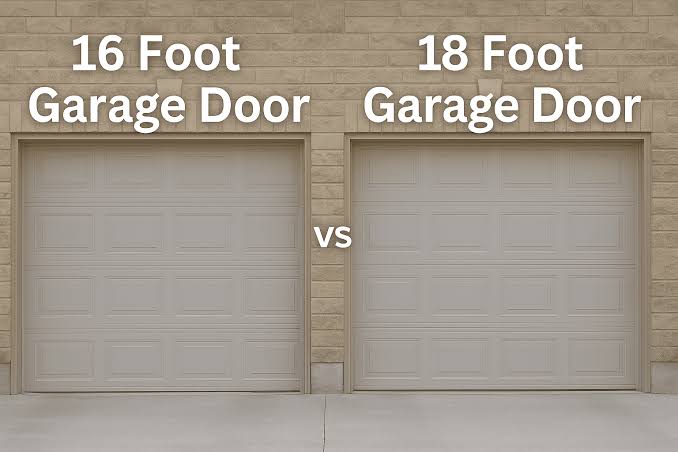
If you are upgrading your home’s curb appeal or replacing a worn-out entryway, you are likely wondering how much does a 16 ft garage door cost. This size is the standard for double-car garages, making it one of the most common yet significant investments for homeowners. Understanding the breakdown of materials, labor, and additional features will help you avoid unexpected expenses and choose the perfect door for your budget.
Understanding the Average Cost of a 16-Foot Garage Door
When planning your renovation, getting a clear picture of the financial commitment is crucial. The cost of a 16-foot garage door varies significantly based on material, style, and insulation levels. On average, homeowners in the United States can expect to pay between $1,200 and $4,500 for the door unit itself. However, when you include professional installation, hardware, and removal of the old door, the total project cost typically ranges from $1,500 to $6,000+.
Several factors influence this price range. A basic single-layer steel door will be at the lower end of the spectrum, while a custom wood door with high R-value insulation and decorative windows will push the price toward the higher end. It is also important to note that prices have fluctuated in recent years due to supply chain dynamics and material costs, so getting multiple quotes is essential for an accurate budget.
Breakdown by Material: What Fits Your Budget?
The material you choose is the biggest determinant of price. Each option offers different benefits regarding durability, maintenance, and aesthetics.
1. Steel Doors
Steel is the most popular choice for American homes due to its affordability and durability.
- Cost: $800 – $2,500
- Pros: Low maintenance, resistant to warping, available in various styles.
- Cons: Can dent easily; prone to rust if the coating is damaged.
2. Aluminum Doors
Aluminum is lightweight and resistant to corrosion, making it ideal for coastal areas.
- Cost: $1,000 – $3,000
- Pros: Rust-proof, modern look, lightweight (less strain on opener).
- Cons: Dents easily, less insulating than steel.
3. Wood Doors
For a classic, high-end look, wood is unbeatable. However, it comes with a premium price tag and higher maintenance requirements.
- Cost: $2,500 – $6,000+
- Pros: Beautiful natural aesthetic, excellent insulation properties.
- Cons: Requires regular staining/sealing, susceptible to rot and warping.
4. Fiberglass/Composite Doors
These doors mimic the look of wood but offer better durability against the elements.
- Cost: $1,500 – $4,000
- Pros: Resistant to salt air, does not rot, low maintenance.
- Cons: Can become brittle in extreme cold, may fade over time.
| Material | Average Cost (Door Only) | Maintenance Level | Durability |
|---|---|---|---|
| Steel | $800 – $2,500 | Low | High |
| Aluminum | $1,000 – $3,000 | Low | Medium |
| Wood | $2,500 – $6,000+ | High | Medium |
| Fiberglass | $1,500 – $4,000 | Low | High |
The Impact of Insulation on Price
Many homeowners overlook insulation, but it plays a vital role in energy efficiency and noise reduction. If your garage is attached to your home or used as a workspace, insulation is worth the investment.
- Non-Insulated (Single Layer): These are the cheapest options but offer little thermal protection. They are suitable for detached garages or mild climates.
- Polystyrene Insulation (Double Layer): Adds a layer of foam board. This increases the price by $200–$500 but provides decent noise reduction and moderate temperature control.
- Polyurethane Insulation (Triple Layer): This foam is injected between steel skins, creating a solid, strong door. It adds $500–$1,000 to the cost but offers the highest R-value (insulation rating) and superior durability.
According to energy efficiency experts, a well-insulated garage door can help stabilize temperatures in adjacent living spaces, potentially lowering your HVAC bills. For more details on building standards and insulation values, you can refer to resources like Wikipedia’s page on Thermal Insulation.
Installation Costs: DIY vs. Professional
While the door itself is a major expense, installation costs can surprise unprepared homeowners. Professional installation for a 16-foot door typically costs between $500 and $1,200. This fee includes:
- Removal and disposal of the old door.
- Installation of new tracks, hinges, and rollers.
- Calibration of springs and safety sensors.
- Testing and balancing of the door.
Why Hire a Pro? Garage doors are heavy and under extreme tension, especially the torsion springs. Improper handling can lead to serious injury or damage to the door mechanism. Professionals also ensure that the door is balanced correctly, which extends the lifespan of your garage door opener.
If you are considering a DIY approach to save money, be aware that you will need specialized tools and a helper. Additionally, many manufacturers will void the warranty if the door is not installed by a certified technician.
Additional Costs to Consider
When asking how much does a 16 ft garage door cost, do not forget these hidden or optional expenses:
- Garage Door Opener: If you do not have an existing compatible opener, expect to pay $200–$500 for a new unit plus installation.
- Windows: Adding decorative windows can increase the cost by $100–$300 per window. They provide natural light but may reduce insulation slightly.
- Custom Colors: Standard white or brown doors are usually included in the base price. Custom colors or finishes can add $100–$400.
- Hardware Upgrades: Decorative handles, hinges, and strap hinges can enhance curb appeal for an additional $50–$200.
- Permits: Some local municipalities require permits for garage door replacement, costing anywhere from $50 to $200.
Step-by-Step Guide to Budgeting for Your New Door
To ensure you stay within budget, follow these steps:
- Measure Accurately: Confirm your opening is exactly 16 feet wide. Measure the height as well (standard is 7 or 8 feet).
- Choose Your Material: Decide between steel, wood, or composite based on your climate and aesthetic preference.
- Select Insulation Level: Determine if you need basic noise reduction or high thermal efficiency.
- Get Three Quotes: Contact local licensed dealers. Ask for a breakdown of product cost vs. labor cost.
- Check for Rebates: Look for energy efficiency rebates if you choose a high-R-value door.
- Schedule Installation: Book during off-peak seasons (late fall or winter) if possible, as some companies offer discounts.
FAQ Section
Q: How long does it take to install a 16-foot garage door?
A: A professional team can typically remove the old door and install a new 16-foot door in 3 to 5 hours. Complex installations or custom orders may take longer.
Q: Can I install a 16-foot door myself to save money?
A: While possible, it is not recommended for beginners. Garage doors are heavy and involve high-tension springs that can be dangerous. If you lack experience, hiring a pro ensures safety and preserves your warranty.
Q: Does the brand affect the cost of a 16-foot garage door?
A: Yes. Premium brands like Clopay, Amarr, or Overhead Door often charge more due to higher quality materials, better warranties, and advanced design features compared to generic builder-grade doors.
Q: How often should I replace my 16-foot garage door?
A: Most garage doors last 15 to 30 years, depending on the material and maintenance. Steel doors tend to last longer with minimal care, while wood doors may need replacement sooner if not properly maintained.
Q: Are there financing options available for garage door replacement?
A: Many installation companies offer financing plans, and some home improvement credit cards provide 0% interest periods. Additionally, if the replacement is part of a larger energy-efficient home upgrade, you might qualify for specific green energy loans.
Conclusion
Understanding how much does a 16 ft garage door cost empowers you to make a smart investment in your home. With prices ranging from $1,500 to $6,000+ depending on materials and installation, there is an option for every budget. Whether you choose durable steel, elegant wood, or low-maintenance fiberglass, prioritizing quality installation and proper insulation will pay off in longevity and energy savings.
Don’t let the complexity of choices overwhelm you. Take your time, compare quotes, and choose a door that enhances both the functionality and beauty of your home. If you found this guide helpful, please share it with friends or neighbors who might be planning their own garage upgrades!
Leave a Reply