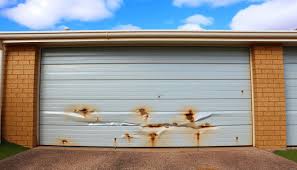
Dealing with a crumbling, flaky garage door can be incredibly frustrating, especially when you just want to park your car safely. If you are asking yourself how long does a garage door take to decay rust, you are not alone in worrying about your home’s curb appeal and security. Let us break down the timeline and help you save your door before it is too late!
How Long Does A Garage Door Take To Decay Rust?
The short answer is that it typically takes anywhere from 5 to 15 years for a standard steel garage door to severely decay from rust. However, this timeline is not set in stone. The speed of corrosion depends heavily on your local climate, the quality of the door’s protective coating, and how well you maintain it.
Rust does not happen overnight. It follows a predictable lifecycle. In the first 1 to 3 years, you might only see surface rust, which looks like minor discoloration. By years 4 to 7, if left untreated, this turns into pitting rust, where the metal actually begins to flake and thin out.
According to the National Association of Home Builders (NAHB), a well-maintained steel garage door can last up to 30 years. However, in harsh environments, severe rust decay can cut that lifespan in half, forcing a premature replacement. Understanding this timeline is the first step in protecting your investment.
What Factors Speed Up Garage Door Corrosion?
You might be wondering why your neighbor’s door looks brand new while yours is peeling. Several environmental and physical factors accelerate the oxidation process.
- Coastal Salt Air: If you live near the ocean, salt spray is your door’s worst enemy. Salt acts as an electrolyte, dramatically speeding up the chemical reaction that causes rust.
- High Humidity and Rainfall: States with heavy snowfall or constant rain keep metal doors wet for extended periods. Moisture is the primary catalyst for rust.
- Road Salt Exposure: In colder US regions, salt used on winter roads can kick up and stick to the bottom panels of your garage door, causing rapid decay at the base.
- Physical Scratches: A simple scratch from a bicycle handle or a stray rock breaks the protective paint layer, exposing the bare steel to oxygen and moisture.
To understand the exact chemical process behind this destruction, you can read more about the oxidation process on Wikipedia’s page on Rust. It is a fascinating look at how iron, oxygen, and water create the flaky red substance we all dread.
Steel vs. Aluminum: A Rust Comparison Table
Not all garage doors decay at the same rate. The material you choose plays a massive role in how long your door will survive. Here is a quick comparison to help you understand what you are dealing with.
| Feature | Steel Garage Doors | Aluminum Garage Doors |
|---|---|---|
| Rust Susceptibility | High. Prone to red rust if the paint is chipped. | None. Aluminum does not contain iron, so it cannot rust. |
| Oxidation Type | Flaky red rust that eats through the metal. | Forms a hard, white powdery layer (aluminum oxide) that actually protects the metal. |
| Lifespan in Coastal Areas | 5 to 10 years before severe decay. | 15 to 20+ years with minimal degradation. |
| Maintenance Required | High. Requires regular washing and touch-up painting. | Low. Occasional washing with soap and water is enough. |
| Cost | Generally more affordable upfront. | Usually more expensive than standard steel. |
Pro Tip: If you live in a coastal state like Florida or California, strongly consider aluminum or fiberglass doors to completely bypass the rust decay timeline.
Step-by-Step: How To Stop Rust From Spreading
If you have already spotted rust on your door, do not panic. You can halt the decay process right in its tracks. Follow this concrete, step-by-step tutorial to restore your door.
Step 1: Clean the Affected Area Mix 2 liters of warm water with 50 ml of mild dish soap. Ensure the water temperature is between 22–28°C for optimal soap dissolution and grease-cutting power. Scrub the rusty area with a stiff-bristled brush to remove dirt and grime. Rinse thoroughly and let it dry completely for at least 2 hours.
Step 2: Sand Away the Flakes Take 120-grit sandpaper and gently sand the rusted spots. You want to remove all loose, flaky rust until you reach solid, shiny metal. Wipe away the dust with a clean, dry microfiber cloth.
Step 3: Apply a Rust Converter This is the most crucial step. Use a phosphoric acid-based rust converter. Apply exactly 2 thin coats using a foam brush. You must wait 45 minutes between each coat to allow the chemical to penetrate and neutralize the remaining rust. The metal will turn black when the converter has done its job.
Step 4: Prime and Paint Once the converter is fully cured (usually after 24 hours), apply 1 coat of oil-based metal primer. Let it dry for 6 hours. Finally, apply 2 coats of exterior-grade acrylic latex paint in your desired color, waiting 4 hours between coats.
Frequently Asked Questions (FAQ)
Q1: Can I completely reverse rust damage on a garage door? A: You cannot reverse structural rust decay where the metal has completely eaten through and formed holes. However, you can absolutely stop and reverse surface rust and pitting rust by sanding it down and applying a chemical rust converter, restoring the door’s integrity and appearance.
Q2: Does WD-40 stop garage door rust? A: WD-40 is a fantastic water displacer and lubricant, but it is not a long-term rust inhibitor. It can temporarily stop rust from spreading by displacing moisture, but it will eventually evaporate. For permanent protection, you must use a dedicated rust converter and paint.
Q3: How often should I inspect my garage door for rust? A: You should perform a visual inspection at least twice a year—ideally in the spring and late fall. Pay special attention to the bottom panels, hinges, and any areas where the paint looks chipped or bubbled.
Q4: Is it cheaper to repair a rusted door or replace it? A: It is almost always cheaper to repair. A can of rust converter, primer, and paint will cost you under $50 and a weekend of work. Replacing a standard single-car garage door typically costs between $800 and $1,500. Only replace the door if the rust has caused massive structural failure.
Q5: What is the best paint to prevent garage door rust? A: The best approach is a two-part system. First, use an oil-based alkyd primer designed specifically for metals. Then, top it with a high-quality 100% acrylic latex exterior paint. Acrylic paint remains flexible as temperatures change, preventing the paint from cracking and exposing the metal to moisture.
Conclusion
Understanding how long does a garage door take to decay rust empowers you to take action before minor surface spots turn into major structural failures. While a steel door might begin to severely decay in as little as 5 to 10 years in harsh conditions, regular cleaning, prompt scratch repairs, and proper painting can easily extend its life to 20 years or more. By catching the warning signs early and following a concrete maintenance routine, you can keep your garage door looking pristine and functioning smoothly for decades.
Leave a Reply