If you’re asking how hard is it to replace a garage door opener, you’re likely dealing with a broken unit or planning an upgrade. It’s a common concern—many homeowners worry about complexity, time, and safety. The truth? It can be easier than you think—if you know what to expect.
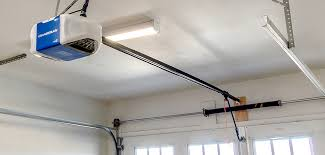
How Hard Is It to Replace a Garage Door Opener? (Quick Answer)
Replacing a garage door opener is considered a moderate-level DIY project. For someone with basic tools and some patience, it typically takes 2 to 6 hours.
Difficulty Breakdown:
- Beginner: May find wiring and mounting challenging
- Intermediate DIYer: Usually manageable
- Professional installer: 1–2 hours
According to home improvement data, about 60% of homeowners successfully install garage door openers themselves, while the rest prefer professional help for convenience or safety.
Read too: Tc1 Tricode Garage Door Opener Remote W/ Clip Chamberlain: Complete Guide
What Makes Replacing a Garage Door Opener Difficult?
1. Ceiling Mount Installation
You’ll need to:
- Secure the opener to ceiling joists
- Align it perfectly with the door track
- Use a ladder for extended periods
This can be physically demanding and requires accuracy.
2. Electrical Wiring
Even though most systems plug into a standard outlet:
- Wall controls require low-voltage wiring
- Safety sensors must be aligned correctly
Mistakes here can prevent the door from functioning.
3. Weight and Positioning
Garage door openers weigh around 30–50 lbs (13–23 kg). Lifting and holding them in place while mounting can be tricky without help.
4. Compatibility Issues
Not all openers work with all doors. Factors include:
- Door weight and size
- Track system
- Drive type (chain, belt, screw)
Tools and Materials You’ll Need
Before starting, prepare these tools:
- Adjustable wrench
- Power drill
- Ladder (6–8 feet recommended)
- Screwdrivers (Phillips & flathead)
- Measuring tape
- Level (for alignment)
Optional but helpful:
- Socket set
- Stud finder
Step-by-Step: How to Replace a Garage Door Opener
Step 1: Disconnect Power
- Unplug the existing opener
- Turn off circuit breaker if necessary
Step 2: Remove the Old Opener
- Detach the door arm
- Unscrew mounting brackets
- Lower the unit carefully
Step 3: Assemble the New Opener
- Follow manufacturer instructions
- Attach rail and motor unit
- Install chain or belt system
Step 4: Mount the New Unit
- Position opener on ceiling brackets
- Secure with bolts
- Ensure it is level and centered
Step 5: Install Safety Sensors
- Place sensors 6 inches (15 cm) above the ground
- Align both sides perfectly
- Test beam connection
Step 6: Connect Wiring
- Install wall control panel
- Connect low-voltage wires
- Plug unit into power outlet
Step 7: Program and Test
- Set travel limits
- Adjust force settings
- Test door opening and closing multiple times
DIY vs Professional Installation
| Factor | DIY Installation | Professional Installation |
|---|---|---|
| Cost | $150–$400 (opener only) | $300–$800 total |
| Time | 2–6 hours | 1–2 hours |
| Skill Required | Moderate | None |
| Risk Level | Medium | Low |
| Convenience | Lower | High |
Pros vs Cons of Replacing It Yourself
Advantages
✔ Saves money on labor
✔ Flexible timing
✔ Great learning experience
✔ Full control over setup
Disadvantages
✘ Time-consuming
✘ Risk of incorrect installation
✘ Requires tools and effort
✘ Potential safety hazards
Safety Considerations You Shouldn’t Ignore
Garage door systems are powerful. Improper handling can lead to injuries.
Important Safety Tips:
- Never adjust door springs (leave to professionals)
- Use a stable ladder
- Avoid working alone when lifting
- Test auto-reverse safety feature
Modern garage systems include safety features explained in https://en.wikipedia.org/wiki/Garage_door_opener, such as sensors that stop the door if an object is detected.
When Should You Replace Instead of Repair?
Sometimes replacing is better than fixing.
Replace if:
- Opener is 10–15 years old
- Excessive noise or vibration
- Lacks modern safety features
- Frequent breakdowns
Repair if:
- Minor wiring issue
- Remote malfunction
- Sensor misalignment
Types of Garage Door Openers (And Difficulty Level)
| Type | Noise Level | Difficulty | Best For |
|---|---|---|---|
| Chain Drive | Loud | Medium | Budget users |
| Belt Drive | Quiet | Medium | Attached garages |
| Screw Drive | Moderate | Easy | Low maintenance needs |
| Smart Opener | Quiet | Harder | Tech-savvy users |
Expert Insight: Is It Worth Doing Yourself?
Home improvement experts suggest that replacing a garage door opener is a “weekend-friendly project” for most homeowners. However, improper installation can reduce efficiency and shorten the lifespan of your system.
A case study from DIY homeowners found that:
- 70% saved money
- 25% needed troubleshooting after installation
- 5% required professional correction
Common Mistakes to Avoid
- Installing opener off-center
- Ignoring sensor alignment
- Skipping manual calibration
- Over-tightening bolts
- Not reading manufacturer instructions
FAQ: Garage Door Opener Replacement
Q1: How hard is it to replace a garage door opener by yourself?
A: It’s moderately difficult. With basic tools and instructions, most people can complete it in a few hours.
Q2: Do I need special tools?
A: No special tools—just standard household tools like a drill, wrench, and ladder.
Q3: Can I reuse existing wiring?
A: Yes, in most cases. However, inspect for wear or damage before reusing.
Q4: How much does it cost to replace one?
A: DIY costs range from $150–$400, while professional installation can reach $800.
Q5: Is it safe to replace a garage door opener alone?
A: It’s safer with help, especially when lifting and mounting the unit.
Q6: How long does a garage door opener last?
A: Typically 10–15 years, depending on usage and maintenance.
Conclusion
So, how hard is it to replace a garage door opener? The answer: challenging, but absolutely doable for most homeowners. With the right tools, preparation, and patience, you can save money and gain valuable DIY experience.
If you found this guide helpful, don’t forget to share it with friends or family who might be considering the same project. It could make their home improvement journey a lot easier!
Leave a Reply