Is your garage door too heavy, slamming shut, or refusing to stay open? These are clear signs of spring tension problems. Understanding How Do You Adjust Spring Tension On A Garage Door is essential—but it must be done carefully, as this is one of the most dangerous garage door repairs.
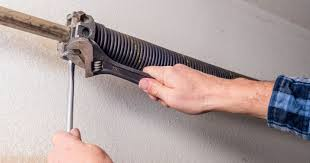
What Does Spring Tension Do in a Garage Door?
Garage door springs counterbalance the weight of the door, making it easier to open and close.
Key Functions:
- Supports door weight (often 100–300 lbs)
- Reduces strain on the opener
- Ensures smooth, controlled movement
Read too: How Do You Change Code On Garage Door Keypad Fast?
Without proper tension, your garage door becomes unsafe and inefficient.
What Types of Garage Door Springs Are There?
Before adjusting anything, you must identify the spring type.
Two Main Types:
| Type | Location | Difficulty | Risk Level |
|---|---|---|---|
| Torsion Springs | Above the door | Advanced | High ⚠️ |
| Extension Springs | Along side tracks | Moderate | Medium |
👉 Important: Torsion springs are under extreme tension and require extra caution.
How Do You Adjust Spring Tension On A Garage Door (Step-by-Step)
⚠️ Safety Warning: If you’re unsure at any step, stop and call a professional. Improper handling can cause serious injury.
Step 1: Disconnect the Garage Door Opener
- Unplug the opener from power
- Pull the emergency release cord
- Ensure the door is fully closed
🔒 This prevents accidental movement during adjustment.
Step 2: Secure the Door
- Use C-clamps or locking pliers
- Attach them to the track just above a roller
✔️ This keeps the door from moving unexpectedly.
Step 3: Identify the Adjustment Direction
- If the door falls quickly, increase tension
- If the door won’t close, decrease tension
💡 Proper balance means the door stays in place when halfway open.
Step 4: Adjust Torsion Springs
Tools Needed:
- Winding bars (never use screwdrivers)
Steps:
- Insert winding bar into the winding cone
- Loosen set screws carefully
- Turn the spring:
- ¼ turn at a time
- Clockwise = increase tension
- Counterclockwise = decrease tension
- Tighten set screws securely
⚠️ Always keep a firm grip on the winding bar.
Step 5: Adjust Extension Springs
Steps:
- Move the hook to a different hole in the track hanger
- Higher hole = more tension
- Lower hole = less tension
✔️ Adjust both sides evenly to maintain balance.
Step 6: Test the Door Balance
- Remove clamps
- Manually lift the door halfway
Ideal Result:
- Door stays in place without moving
🔄 Repeat adjustments if needed.
How Do You Know If Spring Tension Is Correct?
Here’s a quick checklist:
- Door stays halfway open
- Opens smoothly without jerking
- Closes without slamming
- Opener doesn’t strain
Common Signs of Incorrect Spring Tension
Watch for these warning signs:
- Door feels extremely heavy
- Uneven movement
- Loud snapping or creaking sounds
- Door won’t stay open
Advantages vs Risks of DIY Spring Adjustment
Pros and Cons
| Advantages | Risks |
|---|---|
| Saves money | High injury risk |
| Immediate fix | Requires special tools |
| Improves performance | Mistakes can damage door |
How Much Tension Should a Garage Door Spring Have?
There’s no one-size-fits-all number, but:
- Most torsion springs require 7–8 full turns
- Each adjustment should be done in ¼-turn increments
📊 Proper calibration ensures the door weight is evenly balanced.
What If Adjusting Spring Tension Doesn’t Work?
If problems persist, consider these issues:
Possible Causes:
- Broken or worn-out springs
- Misaligned tracks
- Damaged cables
- Faulty opener
💡 Springs typically last 7–10 years or about 10,000 cycles.
How Dangerous Is Adjusting Garage Door Springs?
Garage door springs store significant mechanical energy.
Safety Facts:
- Torsion springs can cause serious injury if released suddenly
- Incorrect tools increase risk
- Professional technicians are trained for safe handling
To understand how these systems work, visit:
https://en.wikipedia.org/wiki/Garage_door
Expert Insight: When to Call a Professional
Professionals recommend avoiding DIY adjustments if:
- You have torsion springs and no experience
- Springs are damaged or rusted
- You lack proper tools
👉 Safety should always come first.
Maintenance Tips to Keep Spring Tension Balanced
- Lubricate springs every 3–6 months
- Inspect for wear or rust
- Test door balance monthly
- Replace springs in pairs
FAQ: How Do You Adjust Spring Tension On A Garage Door
Q1: Can I adjust garage door spring tension myself?
Answer: Yes, but only if you understand the process and follow strict safety precautions.
Q2: How many turns should I adjust the spring?
Answer: Start with ¼ turns and test after each adjustment.
Q3: Why is my garage door still heavy after adjustment?
Answer: The springs may be worn out and need replacement.
Q4: Is it safe to adjust torsion springs?
Answer: It can be dangerous. Professional help is recommended for beginners.
Q5: How often should spring tension be checked?
Answer: At least once every 6–12 months.
Q6: What tools are required for spring adjustment?
Answer: Winding bars, clamps, and safety gloves are essential.
Conclusion
Understanding How Do You Adjust Spring Tension On A Garage Door can help you fix balance issues and improve performance. However, this is one of the most critical and potentially dangerous maintenance tasks.
If done correctly, it ensures smooth operation, reduces strain on your opener, and extends the lifespan of your garage door system. If you found this guide helpful, share it on social media—someone else might need this safety advice today!
Leave a Reply