Introduction
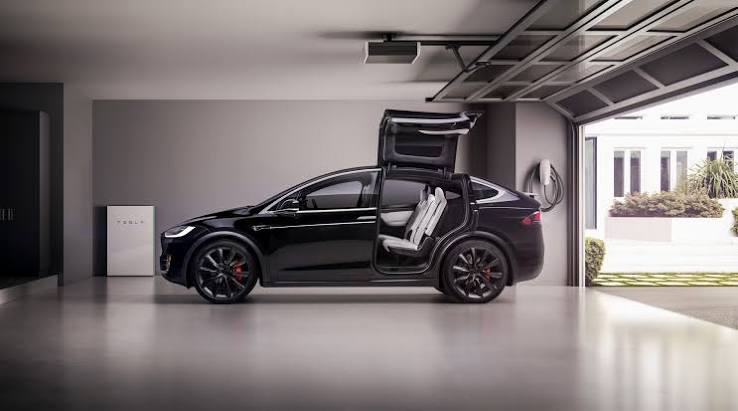
Owning a Tesla Model X is an exhilarating experience, but parking it at home can quickly turn into a source of anxiety if you are unsure about clearance. Many new owners frantically search for how do Tesla Model X doors open in a garage because the iconic Falcon Wing doors move vertically and outwardly, unlike traditional car doors that simply swing out. If you have ever worried about scratching your roof or denting a low-hanging storage rack, this comprehensive guide will walk you through the safety mechanisms, calibration processes, and practical adjustments needed to park your electric SUV with total confidence.
Understanding How Do Tesla Model X Doors Open In A Garage Environment
To master garage parking, you must first understand the unique kinematics of the Falcon Wing doors. These are not standard gullwing doors; they feature a dual-hinge system that allows them to articulate upward and then fold slightly inward at the top. This design was specifically engineered by Tesla to require less lateral space than conventional doors while still providing massive vertical access.
However, this vertical articulation is exactly why understanding how do Tesla Model X doors open in a garage is critical. The door’s apex can reach significant heights during the opening cycle. According to Tesla’s official specifications, the maximum door opening height can exceed 7 feet depending on the calibration setting. Without proper obstacle detection or manual height limiting, the door will attempt to reach its factory-maximum extension, which is often incompatible with standard residential garage ceilings that typically range from 8 to 9 feet high.
The Role of Ultrasonic Sensors and Obstacle Detection
The Model X relies on a sophisticated array of ultrasonic sensors located on the door edges and the vehicle’s roofline. These sensors create a real-time 3D map of the immediate environment. When you press the door button, the car calculates the available vertical and horizontal space before initiating movement.
- Vertical Sensing: Detects overhead beams, drywall, and hanging objects.
- Horizontal Sensing: Monitors walls, adjacent vehicles, and shelving units.
- Dynamic Adjustment: Automatically stops the door arc if an obstacle is detected within the safety threshold.
Despite this technology, sensors are not infallible. They can struggle with thin metal poles, dark matte surfaces, or angled rafters. This is why relying solely on automation without understanding the mechanical limits is risky. For a deeper technical understanding of how automotive ultrasonic parking sensors function across the industry, you can refer to the Automotive ultrasonic sensor entry on Wikipedia.org.
Step-by-Step: Calibrating Door Height for Low Ceilings
If your garage has limited headroom, you should never rely exclusively on automatic sensing. Instead, manually set a hard ceiling limit. Here is the precise tutorial for configuring your Model X for safe indoor operation.
1. Access the Controls Menu
Sit in the driver’s seat with the vehicle in Park. Tap the Car Icon on the bottom left of your touchscreen to open the Controls menu. Navigate to the Locks tab, where you will find the “Falcon Wing Door” settings.
2. Initiate Manual Calibration Mode
Select “Calibrate” next to the door height setting. The system will prompt you to ensure the area above and around the door is completely clear. Confirm to begin. Note: Perform this outside or in an area with guaranteed clearance first to establish a baseline.
3. Set Your Custom Maximum Height
Once calibrated, use the slider or numerical input to define your specific garage-safe height. Measure your lowest garage obstruction (e.g., a garage door opener rail) and subtract 6 inches (15 cm) as a safety buffer. For example, if your lowest point is 84 inches, set the max door height to 78 inches.
4. Test the Limit Repeatedly
Open and close the door at least 3 times after setting the new limit. Watch the apex of the door carefully. Listen for any unusual motor strain. If the door consistently stops at your designated safe height without hesitation, the calibration is successful.
5. Save and Label
Confirm the save. It is highly recommended to place a small, non-damaging sticker on your garage wall at the exact height where the door stops. This provides a visual reference for future checks and helps other drivers who may borrow the vehicle.
Pros and Cons: Automatic Sensing vs. Manual Limits
When figuring out how do Tesla Model X doors open in a garage, owners must choose between trusting the tech or taking manual control. Below is a comparison to help you decide the best approach for your specific situation.
| Feature | Automatic Obstacle Sensing | Manual Height Calibration |
|---|---|---|
| Convenience | High; adapts to different environments automatically | Low; requires initial setup and re-adjustment for new locations |
| Safety Reliability | Moderate; can miss thin/dark objects | High; creates a hard physical software stop |
| Best Use Case | Outdoor parking, high-ceiling commercial garages | Residential garages, known low-clearance areas |
| Risk of Damage | Present if sensors fail or misread | Minimal if measured correctly with buffer zone |
| Setup Time | None (factory default) | 5–10 minutes including measurement and testing |
Expert Insight: Most experienced Model X owners use a hybrid approach. They calibrate a safe maximum height for their primary home garage but leave the auto-sense active for public parking structures where ceiling heights vary unpredictably.
Essential Garage Modifications for Model X Owners
Sometimes, adjusting the car isn’t enough. Optimizing your garage environment ensures that how do Tesla Model X doors open in a garage becomes a non-issue permanently.
Install Padded Ceiling Protectors
Even with perfect calibration, accidents happen. Install high-density foam padding on any exposed rafters, garage door tracks, or storage shelves near the door’s arc. This costs less than $50 and can prevent thousands of dollars in paint and aluminum repair.
Optimize Lighting for Sensor Accuracy
Ultrasonic sensors perform better in well-lit environments because the camera-assisted systems work in tandem with sonar. Upgrade to bright, evenly distributed LED lighting (aim for 4,000K–5,000K color temperature) to eliminate shadows that might confuse the obstacle detection system.
Create a Dedicated Parking Zone
Use floor tape or laser-guided parking assistants to ensure the Model X is always positioned identically. A variance of just 6 inches forward or backward can change the door’s proximity to a wall or ceiling joist. Consistency is the key to long-term safety.
Frequently Asked Questions (FAQ)
Can I override the door height limit temporarily if I need full access?
Yes. While the door is opening or when accessing the door controls menu, you can hold the door button or select “Max Open” on the touchscreen to bypass the custom limit for a single cycle. Always verify overhead clearance visually before doing this.
What happens if the sensors detect an obstacle mid-opening?
The door will immediately halt its motion and emit an audible chime. It will not reverse automatically; you must manually resume or cancel the operation via the touchscreen or key fob. Never force the door past a sensor stop.
Does cold weather affect how Tesla Model X doors open in a garage?
Absolutely. Ice buildup on the upper hinge or seal can trigger false obstacle readings or physically impede movement. In freezing climates, precondition the cabin and activate the “Defrost” mode for at least 10 minutes before attempting to open Falcon Wing doors in an unheated garage.
How often should I recalibrate the door height sensors?
Tesla recommends recalibration every 12 months or whenever you notice inconsistent stopping points. Additionally, recalibrate immediately after any bodywork, windshield replacement, or suspension modification that could alter sensor positioning.
Will my warranty cover door damage caused by low garage ceilings?
Generally, no. Damage resulting from failure to properly calibrate or heed sensor warnings is considered owner negligence. However, if you can prove the sensor malfunctioned despite proper maintenance and calibration, a service center review may be warranted. Document everything.
Can aftermarket garage organizers interfere with door sensors?
Yes. Metal shelving, hanging bicycles, and reflective insulation can create phantom obstacles or blind spots. Keep all storage items at least 12 inches outside the documented door arc envelope. Test thoroughly after installing any new garage organization system.
Conclusion
Mastering how do Tesla Model X doors open in a garage transforms what could be a daily stressor into a seamless part of your EV ownership experience. By combining manual height calibration with environmental optimizations like padded protectors and consistent parking zones, you safeguard both your investment and your peace of mind. Remember, the Falcon Wing doors are marvels of engineering, but they demand respect and proactive management in confined spaces. Don’t wait for a costly mistake—take ten minutes today to measure, calibrate, and test your setup.
Found this guide helpful? Share it with fellow Model X owners on Facebook, X (Twitter), or your local Tesla club forum! Helping one owner avoid garage damage makes the entire EV community safer and smarter. Drive confidently, and enjoy every futuristic entrance your Model X delivers!
Leave a Reply