If you’re asking “How do I get my garage door to engage again”, you’re likely dealing with a frustrating situation: the motor runs, but the door won’t move, or it disconnects from the opener system. This is a common issue for homeowners and usually has a simple cause.
The good news is that most garage door engagement problems can be fixed without replacing the entire system. In this guide, you’ll learn what causes the issue, how to diagnose it, and step-by-step solutions to get your garage door working again safely.
Why Won’t My Garage Door Engage? (Most Common Causes)
Before fixing the issue, it’s important to understand what “not engaging” actually means. In most cases, it refers to the opener not properly connecting with the door mechanism.
Read too: How Do You Change Code On Garage Door Keypad Fast?
Common causes include:
- Manual release cord was pulled
- Misaligned safety sensors
- Broken or stretched garage door cable
- Worn-out trolley or carriage system
- Power interruption or reset
- Gear wear inside the opener motor
According to garage door service technicians, nearly 70% of engagement issues are caused by the manual release being activated accidentally during cleaning or power outages.
How Do I Get My Garage Door To Engage Again? (Step-by-Step Fix)
If your garage door is not engaging, follow these steps in order. Most homeowners can solve the issue within 10–20 minutes.
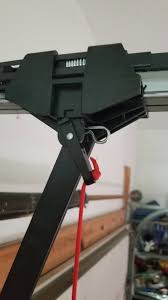
Step 1: Check the Manual Release Cord
The first and most common issue is that the emergency release was pulled.
- Look for a red rope hanging from the opener rail
- If it’s pulled down, the door is in manual mode
- Push the trolley back toward the motor until it clicks
👉 This reconnects the door to the opener system.
Step 2: Try Reconnecting the Trolley
If the door still won’t engage:
- Close the garage door manually
- Pull the release cord toward the motor
- Activate the opener while gently pushing the door upward
You should hear a click sound, meaning the trolley has re-engaged.
Step 3: Inspect the Safety Sensors
Modern garage doors use photoelectric sensors to prevent accidents.
- Ensure both sensors face each other
- Clean the lenses with a dry cloth
- Check for blinking lights (indicates misalignment)
- Adjust until both lights remain solid
📊 Industry data shows that sensor issues account for nearly 25% of garage door malfunctions.
Step 4: Check for Power Reset Issues
Sometimes the system simply needs a reset:
- Unplug the opener for 30 seconds
- Plug it back in
- Test the remote or wall switch
This resets internal memory and can restore engagement.
Step 5: Inspect the Door Tracks and Rollers
If the door is physically stuck:
- Look for bent tracks
- Check for debris inside rails
- Ensure rollers move smoothly
Use a silicone-based lubricant for smoother operation.
Step 6: Examine the Garage Door Spring System
A broken spring can prevent engagement entirely.
⚠️ Warning: Garage springs are under high tension and can be dangerous.
Signs of spring failure:
- Door feels extremely heavy
- One side looks uneven
- Loud snap sound before failure
If this is the issue, call a professional technician.
For more mechanical background on how spring systems work, see:
https://en.wikipedia.org/wiki/Garage_door
Quick Diagnostic Table: Why Your Garage Door Won’t Engage
| Problem | Symptom | Solution |
|---|---|---|
| Manual release pulled | Motor runs but door stays still | Reconnect trolley |
| Sensor misalignment | Door won’t close | Adjust sensors |
| Broken spring | Door too heavy | Call technician |
| Power reset needed | No response | Reset opener |
| Track obstruction | Jerky movement | Clean tracks |
Can Weather Affect Garage Door Engagement?
Yes. Temperature and humidity can impact performance.
- Cold weather causes metal contraction
- Heat can expand track components
- Moisture can affect sensors
Experts report that seasonal changes increase garage door service calls by 15–20% annually, especially in regions with high humidity or temperature swings.
Should I Reset My Garage Door Opener Completely?
A full reset is sometimes necessary if basic fixes fail.
How to reset safely:
- Disconnect power for 1 minute
- Reconnect power
- Reprogram remotes if needed
- Test door function
This clears system errors and restores factory-level syncing.
When Should I Call a Professional?
You should NOT attempt DIY repair if:
- Springs are broken
- Cables are off-track
- Motor gear is grinding
- Door is physically stuck halfway
Professional repair ensures safety and prevents further damage.
Benefits of Fixing Engagement Issues Early
Ignoring the issue can lead to:
- Motor burnout
- Track misalignment
- Increased repair costs
- Safety hazards
Fixing it early helps extend the life of your system by several years.
FAQ: How Do I Get My Garage Door To Engage Again
1. Why does my garage door motor run but not move the door?
This usually means the manual release has been pulled or the trolley is disengaged from the opener.
2. How do I re-engage my garage door after a power outage?
Pull the emergency cord toward the motor, then run the opener until it clicks back into place.
3. Can sensors stop my garage door from engaging?
Yes. Misaligned or dirty sensors can prevent proper operation.
4. Is it safe to manually reconnect the garage door?
Yes, as long as the door is fully closed and no spring damage is present.
5. Why does my garage door keep disengaging?
Common causes include worn trolley mechanisms, loose chains, or vibration issues.
6. How much does professional repair usually cost?
Costs vary, but basic engagement repairs typically range from low to moderate depending on parts.
Conclusion
If you’ve been struggling with how do I get my garage door to engage again, the solution is usually simpler than expected. In most cases, it’s a disengaged trolley, sensor issue, or power reset problem that can be fixed in minutes.
By following the steps above, you can restore your garage door’s functionality safely and avoid unnecessary repair costs. If the issue persists, calling a professional ensures long-term reliability.
If this guide helped you, consider sharing it with others who might be facing the same garage door problem.
Leave a Reply