Is Your Garage Door Too Noisy or Unreliable?
If you are tired of the loud rattling that wakes up your family every time you leave for work, or if you worry about your old chain-drive motor failing during a storm, you are not alone. Many homeowners in the US are switching to smoother, more reliable systems. The Genie screw drive garage door opener 1/2 HP offers a perfect balance of power, silence, and durability for standard residential doors. In this guide, we will explore why this specific model might be the best upgrade for your home.
What Is a Genie Screw Drive Garage Door Opener?
To understand why this model is special, we first need to look at how it works. Unlike traditional chain-drive openers that use a metal chain to pull the door, a screw-drive system uses a threaded steel rod. As the motor turns, the trolley moves along this rod to lift or lower the door.
Genie has been a pioneer in this technology since the 1950s. Their screw-drive models are renowned for having fewer moving parts. This simplicity translates to less maintenance and a longer lifespan. For a typical two-car garage with a standard insulated door, the 1/2 horsepower (HP) motor provides ample lifting power without being overkill.
According to Wikipedia’s entry on garage door openers, screw-drive mechanisms are particularly valued for their reliability in moderate climates, as they have fewer components that can wear out compared to chain systems.
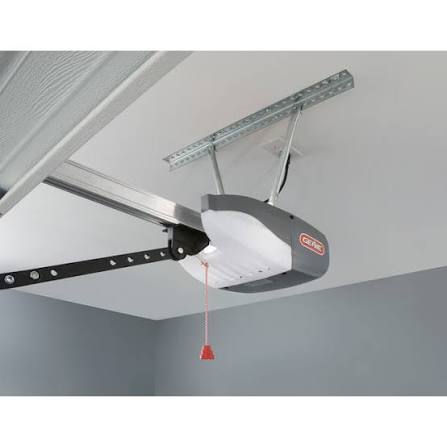
Key Components of the System
- The Powerhead: Contains the 1/2 HP motor and logic board.
- The Screw Rail: A long, threaded steel rod that drives the trolley.
- The Trolley: Connects the rail to the garage door arm.
- Safety Sensors: Infrared beams that prevent the door from closing on objects or people.
Why Choose a 1/2 HP Model Over Other Horsepowers?
One of the most common questions homeowners ask is, “Do I really need 1/2 HP?” The answer depends on your specific door. Here is a breakdown to help you decide.
| Horsepower | Best For | Pros | Cons |
|---|---|---|---|
| 1/3 HP | Single, lightweight wooden doors | Cheapest option | Struggles with heavy/insulated doors; shorter lifespan |
| 1/2 HP | Standard double-car insulated doors | Best value; quiet; sufficient power for most homes | May struggle with extremely heavy custom wood doors |
| 3/4 HP+ | Heavy wood, large custom, or frequent-use doors | Maximum power; fastest operation | More expensive; louder; often unnecessary for average homes |
For the vast majority of US homes built in the last 30 years, a Genie screw drive garage door opener 1/2 HP is the sweet spot. It handles modern insulated steel doors effortlessly while consuming less energy than larger motors.
Top Benefits of Genie Screw Drive Technology
Why do professionals often recommend Genie screw drives over chain or belt drives? Let’s look at the distinct advantages.
1. Exceptional Durability
With fewer moving parts, there is less friction and wear. Chain drives require regular lubrication and tension adjustments. Belt drives can stretch over time. The steel screw rail in a Genie unit is robust and typically requires no adjustment after initial installation.
2. Quieter Operation
While belt drives are technically the quietest, screw drives are significantly quieter than chain drives. The smooth gliding motion of the trolley along the threaded rod produces a low hum rather than a metallic clatter. This is ideal if your garage is attached to your living space or if you have bedrooms above the garage.
3. Fewer Maintenance Requirements
Because the system is enclosed and simple, you rarely need to service it. There are no chains to tighten or belts to replace. Occasional cleaning of the rail and a light application of lithium-based grease (if recommended by the specific model manual) is usually all that is needed for years of service.
4. Cost-Effectiveness
Genie screw drive units are often priced competitively between basic chain drives and premium belt drives. You get superior durability to a chain drive at a price point that is very accessible for the average homeowner.
Installation Tips for DIY Enthusiasts
Installing a Genie screw drive garage door opener 1/2 HP is a manageable DIY project for those with basic mechanical skills. However, safety is paramount. Always disconnect the power before starting.
Step-by-Step Overview
- Prepare the Area: Clear the garage ceiling area and ensure the garage door is balanced. A door that doesn’t stay open when manually lifted halfway is not safe for an automatic opener.
- Assemble the Rail: Attach the screw rail to the powerhead motor unit on the ground. Ensure the trolley is properly seated.
- Mount the Header Bracket: Install the bracket above the garage door opening. Use sturdy lag screws into the wooden header, not just drywall.
- Hang the Opener: Lift the assembled unit and secure it to the ceiling joists using the provided hanging brackets. Note: Ensure the rail is level.
- Connect the Door Arm: Attach the curved door arm to the trolley and the top section of the garage door.
- Wire the Safety Sensors: Install the infrared sensors on both sides of the door, about 6 inches off the ground. Align them carefully until the indicator lights show a solid connection.
- Program Limits and Force: Follow the manual to set the open and close limits. Test the reversal feature by placing a 2×4 block on the floor under the door. The door must reverse immediately upon contact.
Pro Tip: If you are unsure about electrical wiring or spring tension, hire a professional. Garage door springs are under high tension and can be dangerous.
Common Issues and Troubleshooting
Even the best machines can have hiccups. Here are common issues with Genie screw drive openers and how to fix them.
- Door Reverses Before Closing: Check the safety sensors. Are they aligned? Is anything blocking the beam? Also, check the force settings. If the door meets too much resistance, it will reverse for safety.
- Motor Runs but Door Doesn’t Move: The trolley may have become disconnected from the screw rail, or the emergency release cord may have been pulled. Check the connection between the trolley and the door arm.
- Noisy Operation: While screw drives are quiet, they can get noisy if the rail is dirty or dry. Clean the rail with a cloth and apply a small amount of white lithium grease. Never use WD-40 as it attracts dust.
- Remote Not Working: Replace the battery in the remote first. If that fails, reprogram the remote to the opener following the instructions on the motor unit’s back panel.
FAQ Section
Q1: How long does a Genie screw drive opener last?
A: With proper maintenance, a Genie screw drive opener can last between 10 to 15 years. The 1/2 HP motor is designed for thousands of cycles, making it a long-term investment for your home.
Q2: Can I install a Genie screw drive opener on a heavy wood door?
A: While the 1/2 HP model can handle many insulated doors, extremely heavy custom wood doors may require a 3/4 HP model. Check the weight rating of your specific Genie model. If your door weighs more than 350 lbs, consider upgrading to a higher horsepower unit.
Q3: Is a screw drive better than a belt drive?
A: It depends on your priority. Belt drives are slightly quieter but can stretch and need replacement. Screw drives are more durable, require less maintenance, and are still very quiet. For longevity and value, many experts prefer screw drives.
Q4: Does the Genie 1/2 HP opener work with smart home systems?
A: Yes, many newer Genie models come with Aladdin Connect® technology, allowing you to control your garage door via a smartphone app. You can also integrate older models with universal smart garage controllers.
Q5: What kind of lubricant should I use on the screw rail?
A: Use a white lithium-based grease. Avoid oil-based lubricants like WD-40, as they can attract dirt and grime, which may gum up the threads over time.
Conclusion
Upgrading to a Genie screw drive garage door opener 1/2 HP is a smart move for any homeowner looking for reliability, quiet operation, and low maintenance. It strikes the perfect balance between power and efficiency for standard residential garage doors. By choosing Genie, you are investing in a brand with a decades-long reputation for quality engineering.
Don’t let a noisy, unreliable garage door disrupt your peace of mind. Consider making the switch today. If you found this guide helpful, please share it with your friends on social media who might be struggling with their own garage door issues!
Leave a Reply