If your garage door won’t go all the way down, it can be both frustrating and a safety concern. Whether it stops halfway or reverses suddenly, this issue is very common—and usually fixable without calling a technician. Let’s walk through the exact causes and solutions step by step.
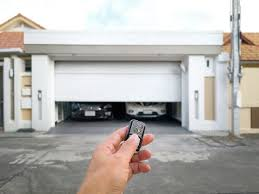
Why Garage Door Won’t Go All The Way Down Happens
Understanding the cause is the first step to fixing the problem.
Read too: Tc1 Tricode Garage Door Opener Remote W/ Clip Chamberlain: Complete Guide
According to home repair data, over 70% of garage door closing issues are related to sensors or minor adjustments, not major mechanical failures.
For technical background on how garage doors operate, visit Wikipedia:
https://en.wikipedia.org/wiki/Garage_door_opener
Garage Door Won’t Go All The Way Down: Quick Checks First
1. Are the Safety Sensors Blocked or Misaligned?
Modern garage doors use photo-eye sensors to prevent accidents.
Signs:
- Door starts closing, then reverses
- Blinking sensor lights
- Door won’t close at all
Fix:
- Remove any objects blocking the sensors
- Clean lenses with a soft cloth
- Align sensors until LED lights stay solid
✔️ This is the most common fix.
2. Is Something Blocking the Door Track?
Even small debris can stop the door.
Check for:
- Dirt or dust buildup
- Small objects in the track
- Bent or damaged rails
✔️ Clean tracks and remove obstructions carefully.
3. Are the Travel Limits Set Incorrectly?
The opener uses limit settings to determine how far the door should close.
If set incorrectly:
- Door stops too early
- Door reverses before touching ground
Step-by-Step: How To Fix a Garage Door That Won’t Close Fully
Step 1: Adjust the Close Limit Settings
- Locate the limit adjustment screws on the opener
- Turn the “down” or “close” screw clockwise
- Adjust in small increments (¼ turn)
- Test after each adjustment
✔️ Repeat until the door fully closes.
Step 2: Clean and Align the Sensors
- Wipe both sensor lenses
- Ensure they face each other directly
- Check that LED lights are steady (not blinking)
💡 Tip: Sensors should be about 6 inches (15 cm) above the ground.
Step 3: Inspect the Garage Door Tracks
- Turn off the opener
- Check both sides of the track
- Remove debris and tighten loose bolts
✔️ Ensure tracks are straight and aligned.
Step 4: Check the Garage Door Rollers
Worn or damaged rollers can cause uneven movement.
Signs:
- Jerky motion
- Loud noises
- Door stops unevenly
✔️ Replace damaged rollers if needed.
Step 5: Test Manual Operation
- Disconnect the opener (pull emergency release cord)
- Manually lower the door
If the door won’t close manually:
- The issue is mechanical
- Likely springs or tracks
Common Causes and Fixes (Quick Table)
| Problem | Cause | Solution |
|---|---|---|
| Door reverses | Sensor misalignment | Align sensors |
| Stops halfway | Limit setting wrong | Adjust limits |
| Won’t move | Track blockage | Clean tracks |
| Uneven closing | Damaged rollers | Replace rollers |
| Heavy door | Broken spring | Call professional |
When Should You Call a Professional?
Some issues are not safe for DIY repair.
⚠️ Call a technician if:
- Springs are broken
- Cables are loose or snapped
- Door is extremely heavy
- Loud grinding noises occur
Garage door springs are under high tension and can be dangerous.
Advantages vs Disadvantages of DIY Fixes
Advantages
- Saves money
- Quick fixes (5–20 minutes)
- No waiting for service
- Easy for minor issues
Disadvantages
- Risk of injury
- Limited tools
- Misdiagnosis possible
- Not suitable for major repairs
Expert Tips to Prevent This Issue
- Clean sensors monthly
- Lubricate moving parts every 6 months
- Inspect tracks regularly
- Test auto-reverse safety feature
Experts say regular maintenance can reduce issues by up to 40%.
How Long Should a Garage Door Last?
- Average lifespan: 15–30 years
- Opener lifespan: 10–15 years
Proper care significantly extends usability.
Signs Your Garage Door Needs Replacement
- Frequent malfunctions
- Excessive noise
- Visible damage or warping
- Outdated safety features
FAQ: Garage Door Won’t Go All The Way Down
1. Why does my garage door start closing then go back up?
This is usually caused by misaligned or blocked safety sensors.
2. Can I fix this issue myself?
Yes, most cases (sensors, limits, cleaning) are easy DIY fixes.
3. How do I adjust garage door closing limits?
Use the adjustment screws on the opener and turn in small increments.
4. What if the door won’t close manually?
This indicates a mechanical issue, likely springs or tracks.
5. How much does it cost to fix?
- Minor fixes: $0–$50
- Professional repair: $100–$300+
6. Is it safe to keep using the door?
No. A malfunctioning door can be dangerous and should be fixed promptly.
Conclusion
If your garage door won’t go all the way down, don’t panic—most problems are simple and quick to fix. From cleaning sensors to adjusting limits, a few small steps can restore proper function.
Take action today to ensure your garage door is safe, secure, and working smoothly. If you found this guide helpful, share it with others who might be dealing with the same issue 🚪
Leave a Reply