If your Garage Door Makes Loud Noise When Opening And Closing, it can be frustrating—and even concerning. That grinding, squeaking, or banging sound often signals a problem that shouldn’t be ignored. The good news? Most causes are easy to diagnose and fix with the right approach.
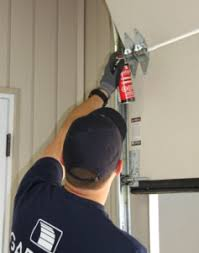
Why Does a Garage Door Make Loud Noise When Opening and Closing?
A noisy garage door usually means something is worn, loose, or lacking lubrication.
Read too: How Do You Change Code On Garage Door Keypad Fast?
Common Causes:
- Dry or rusty moving parts
- Loose hardware
- Worn rollers
- Misaligned tracks
- Old or failing opener
💡 Fact: According to home maintenance experts, over 70% of noisy garage doors are caused by lack of lubrication or worn components.
What Types of Garage Door Noises Mean (And What to Do)
Different sounds point to different problems.
1. Squeaking or Screeching
Cause: Dry hinges or rollers
Fix: Apply lubricant
2. Grinding Noise
Cause: Worn gears or opener motor issues
Fix: Inspect opener and replace gears
3. Banging or Clanking
Cause: Loose hardware or track misalignment
Fix: Tighten bolts and adjust tracks
4. Rattling Sound
Cause: Loose nuts, bolts, or chain
Fix: Tighten all components
5. Popping Noise
Cause: Door panels shifting
Fix: Inspect for warping or damage
How To Fix a Noisy Garage Door (Step-by-Step)
Tools You’ll Need:
- Silicone-based lubricant
- Wrench set
- Screwdriver
- Clean cloth
Step 1: Inspect the Door
Check for visible wear, rust, or loose parts.
Step 2: Tighten Hardware
- Tighten bolts and screws
- Focus on hinges and brackets
Step 3: Lubricate Moving Parts
Apply lubricant to:
- Rollers
- Hinges
- Springs
- Tracks (lightly)
💡 Use silicone or lithium-based lubricant, not grease.
Step 4: Check the Rollers
- Replace worn or cracked rollers
- Nylon rollers are quieter than metal ones
Step 5: Inspect the Tracks
- Ensure tracks are aligned
- Clean debris
Step 6: Test the Door
Open and close the door to check noise reduction.
✅ Total repair time: 30–60 minutes
Garage Door Components: Noise Comparison
| Component | Noise Level | Common Issue | Solution |
|---|---|---|---|
| Metal Rollers | High | Worn or dry | Replace with nylon |
| Hinges | Medium | Lack of lubrication | Lubricate |
| Springs | High | Tension or wear | Professional service |
| Opener Motor | Medium | Aging motor | Repair or replace |
When Should You Replace Instead of Repair?
Sometimes fixing isn’t enough.
Consider Replacement If:
- Door is over 15–20 years old
- Frequent repairs are needed
- Noise persists after maintenance
Benefits vs Drawbacks of Fixing a Noisy Garage Door
Benefits
- Quieter operation
- Improved lifespan
- Better safety
Drawbacks
- May require time and tools
- Some repairs need professional help
Expert Tips to Prevent Garage Door Noise
- Lubricate every 3–6 months
- Tighten hardware annually
- Replace worn rollers early
- Avoid DIY spring repairs
💡 Pro Tip: Switching to nylon rollers can reduce noise by up to 50%.
How Often Should You Maintain Your Garage Door?
Experts recommend:
- Lubrication: every 3–6 months
- Full inspection: once per year
- Professional service: every 1–2 years
Safety Warning: What NOT to Do
- Do NOT adjust springs yourself
- Avoid using heavy grease
- Don’t ignore loud grinding noises
⚠️ Springs are under high tension and can be dangerous.
Understanding Garage Door Mechanics
Garage doors operate using a system of springs, tracks, and motors working together.
👉 Learn more here:
https://en.wikipedia.org/wiki/Garage_door
FAQ: Garage Door Makes Loud Noise When Opening And Closing
Q1: Why is my garage door suddenly so loud?
Most likely due to lack of lubrication or worn parts.
Q2: Can I fix a noisy garage door myself?
Yes, many issues like lubrication and tightening are DIY-friendly.
Q3: What lubricant should I use?
Use silicone or lithium-based lubricant.
Q4: Are noisy garage doors dangerous?
They can be, especially if caused by worn springs or structural issues.
Q5: How much does it cost to fix?
DIY fixes cost under $20, while professional repairs range from $100–$300.
Q6: When should I call a professional?
If the issue involves springs, cables, or the motor.
Conclusion
Dealing with a Garage Door Makes Loud Noise When Opening And Closing doesn’t have to be stressful. In most cases, a simple inspection, lubrication, and tightening can solve the problem quickly.
By maintaining your garage door regularly, you can keep it running smoothly, quietly, and safely for years. If this guide helped you, share it on social media so others can fix their noisy garage doors too!
Leave a Reply