If your Garage Door Goes Down a Little Then Back Up, you’re not alone—this is one of the most common garage door issues homeowners face. It can be frustrating, especially when you’re in a hurry or worried about security. The good news? In most cases, the fix is simpler (and cheaper) than you think.
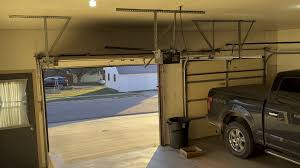
Why Does My Garage Door Go Down Then Reverse?
When your garage door starts closing but suddenly reverses, it’s usually a safety feature doing its job. Modern garage systems are designed to prevent accidents or damage.
Read too: Tc1 Tricode Garage Door Opener Remote W/ Clip Chamberlain: Complete Guide
According to safety standards referenced on Wikipedia, automatic garage doors must include auto-reverse mechanisms to avoid injury or obstruction damage.
Top Reasons This Happens:
- Misaligned safety sensors
- Dirty or blocked sensor lenses
- Track obstruction
- Incorrect force or limit settings
- Worn-out springs or cables
How Do Garage Door Safety Sensors Work?
Garage doors use photo-eye sensors placed near the floor on both sides.
What They Do:
- Emit an invisible beam across the door opening
- If the beam is interrupted → the door reverses
Signs Your Sensors Are the Problem:
- Door closes partially, then reverses
- Blinking sensor lights
- Door only closes when holding the wall button
Step-by-Step: Fix a Garage Door That Reverses
Let’s walk through the most effective fixes.
1. Check for Obstructions (Quick Fix)
Time needed: 2–3 minutes
Look for:
- Boxes, tools, or debris in the track
- Small objects near the floor (even leaves or dirt can trigger sensors)
👉 Tip: Even a 1 cm object can activate the safety system.
2. Clean the Safety Sensors
Tools needed:
- Soft cloth
- Mild cleaner
Steps:
- Locate sensors (about 6 inches from the floor)
- Gently wipe both lenses
- Remove dust, cobwebs, or moisture
👉 Dirty sensors are responsible for over 30% of garage door reversing issues (based on industry service reports).
3. Align the Sensors Properly
Misalignment is one of the most common causes.
How to Align:
- Check if both sensors face each other directly
- Look for LED lights:
- Solid light = aligned
- Blinking = misaligned
- Adjust brackets until lights stay steady
4. Inspect the Tracks
Bent or blocked tracks can cause the door to reverse.
What to Look For:
- Dents or warping
- Dirt buildup
- Loose bolts
Fix:
- Clean tracks with a dry cloth
- Tighten screws with a wrench
- Avoid using grease (it attracts dirt)
5. Adjust Limit Settings
Your garage opener has limit settings that control how far the door closes.
Symptoms of Incorrect Settings:
- Door hits floor → immediately reverses
How to Adjust:
- Locate limit screws on the opener motor
- Turn the “down” limit slightly (¼ turn at a time)
- Test after each adjustment
6. Adjust Force Settings
Force settings control how much power the motor uses.
When to Adjust:
- Door reverses without visible obstruction
Steps:
- Find force adjustment knobs
- Increase closing force slightly
- Test carefully
⚠️ Warning: Too much force can be dangerous—adjust gradually.
Common Causes vs Solutions (Quick Table)
| Problem | Symptoms | Solution |
|---|---|---|
| Dirty sensors | Door reverses randomly | Clean lenses |
| Misaligned sensors | Blinking lights | Realign sensors |
| Track obstruction | Jerky movement | Clear debris |
| Wrong limit settings | Hits floor then reverses | Adjust limits |
| Low force setting | Reverses mid-close | Increase force slightly |
| Broken springs | Heavy door / uneven movement | Call a professional |
When Should You Call a Professional?
Some issues go beyond DIY fixes.
Call a technician if:
- Springs are broken (dangerous to handle)
- Door feels extremely heavy
- Cables are loose or snapped
- Motor makes grinding noises
👉 Garage door springs are under extreme tension and can cause serious injury if handled incorrectly.
How to Prevent This Problem in the Future
Prevention is easier than repair.
Monthly Maintenance Checklist:
- Clean sensors
- Inspect tracks
- Test auto-reverse feature
- Tighten hardware
Pro Tip:
Test your safety system by placing a small object (like a block of wood) under the door—it should reverse immediately.
FAQ: Garage Door Goes Down a Little Then Back Up
Q1: Why does my garage door only close when I hold the button?
This usually means the safety sensors are misaligned or blocked. Holding the button overrides the safety system.
Q2: Can sunlight affect garage door sensors?
Yes. Direct sunlight can interfere with the sensor beam. Try shading the sensors or adjusting their angle.
Q3: How much does it cost to fix this issue?
- DIY fix: $0–$20
- Sensor replacement: $50–$150
- Professional service: $100–$300
Q4: Is it safe to adjust garage door force settings?
Yes, but only in small increments. Excessive force can damage property or cause injury.
Q5: How long do garage door sensors last?
Typically 5–10 years, depending on usage and environment.
Q6: Can a weak remote battery cause this issue?
No. A weak battery affects signal transmission, not door reversing behavior.
Conclusion
When your Garage Door Goes Down a Little Then Back Up, it’s usually a sign that your system is trying to protect you. Most issues—like dirty or misaligned sensors—can be fixed in minutes without professional help.
By following the step-by-step solutions above, you can save time, money, and frustration. Regular maintenance will also keep your garage door running smoothly for years.
👉 If you found this guide helpful, consider sharing it with friends or family on social media—someone else might be dealing with the same issue right now!
Leave a Reply