If your garage door starts closing but suddenly reverses after a few inches, you’re likely asking: why does my garage door goes down 6 inches then back up? This issue is frustrating—and surprisingly common. The good news is that it’s usually caused by safety features doing their job, and most fixes are simple.
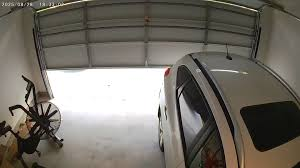
Garage Door Goes Down 6 Inches Then Back Up (Quick Answer)
When your garage door goes down a few inches and then reverses, it’s typically due to:
- Misaligned safety sensors
- Obstructions in the door path
- Incorrect limit settings
- Force adjustment issues
Read too: Tc1 Tricode Garage Door Opener Remote W/ Clip Chamberlain: Complete Guide
In most cases, sensor alignment is the main culprit.
Why Does a Garage Door Reverse After Closing?
Modern garage doors are designed with auto-reverse safety mechanisms. These prevent the door from closing on objects, pets, or people.
According to safety principles explained in https://en.wikipedia.org/wiki/Garage_door_opener, garage door openers include sensors that detect obstructions and reverse the door automatically.
What Triggers the Reversal:
- Blocked sensor beam
- Resistance during closing
- Incorrect calibration
Most Common Causes (And How to Identify Them)
1. Misaligned Safety Sensors
This is the #1 cause.
Signs:
- LED lights blinking
- Door starts closing then reverses immediately
Fix:
- Align sensors so they face each other
- Position at 6 inches (15 cm) above the ground
- Ensure LED lights are solid (not blinking)
2. Dirty or Blocked Sensors
Even small debris can interrupt the signal.
Fix:
- Clean lenses with a soft cloth
- Remove dust, spider webs, or dirt
3. Obstruction in Door Track
If something blocks the door—even slightly—it will reverse.
Check for:
- Rocks or debris
- Bent tracks
- Loose hardware
4. Incorrect Travel Limit Settings
Limit settings tell the door how far to travel.
Signs:
- Door reverses before reaching the ground
Fix:
- Adjust the down limit screw
- Turn in small increments (¼ turn at a time)
5. Force Adjustment Is Too Low
If the opener senses too much resistance, it stops and reverses.
Fix:
- Increase closing force slightly
- Test after each adjustment
6. Worn or Damaged Rollers
Old rollers can create resistance.
Fix:
- Inspect rollers for wear
- Replace if needed
Step-by-Step Troubleshooting Guide
Follow this sequence to fix the issue efficiently:
Step 1: Inspect Sensors
- Check alignment
- Clean lenses
- Confirm solid LED lights
Step 2: Check for Obstructions
- Remove debris from tracks
- Ensure nothing blocks door path
Step 3: Test Door Manually
- Disconnect opener
- Lift door by hand
- Ensure smooth movement
Step 4: Adjust Limit Settings
- Locate adjustment screws on opener
- Turn slowly and test
Step 5: Adjust Force Settings
- Increase slightly
- Avoid over-adjusting
Step 6: Reconnect and Test
- Run door 3–5 times
- Confirm smooth operation
Quick Fix Comparison Table
| Problem | Difficulty | Fix Time | Solution |
|---|---|---|---|
| Sensor misalignment | Easy | 5 mins | Realign sensors |
| Dirty sensors | Easy | 2 mins | Clean lenses |
| Obstruction | Easy | 5 mins | Remove blockage |
| Limit setting issue | Medium | 10 mins | Adjust screws |
| Force setting issue | Medium | 10 mins | Increase force slightly |
Pros vs Cons of DIY Fixes
Advantages
✔ Quick and cost-free
✔ No professional needed
✔ Easy troubleshooting steps
✔ Immediate results
Disadvantages
✘ Requires trial and error
✘ Risk of incorrect adjustments
✘ Some issues may need expert help
Expert Insight: Why Sensors Are the Main Cause
Home repair professionals report that over 70% of garage door reversal issues are caused by sensor problems. This is because sensors are highly sensitive and easily affected by dust, misalignment, or sunlight.
When Should You Call a Professional?
Consider professional help if:
- Adjustments don’t fix the issue
- Door is uneven or jerky
- Springs or cables appear damaged
- Motor makes unusual noises
Common Mistakes to Avoid
- Ignoring blinking sensor lights
- Over-adjusting force settings
- Skipping manual door test
- Using excessive force on adjustments
- Neglecting regular maintenance
How to Prevent This Problem in the Future
Maintenance Tips:
- Clean sensors monthly
- Inspect tracks regularly
- Lubricate moving parts every 3–6 months
- Test auto-reverse feature
How Long Does It Take to Fix?
Average Time:
- Simple fixes: 5–10 minutes
- Adjustments: 10–20 minutes
- Complex issues: 30+ minutes
Most problems can be solved in under 15 minutes.
FAQ: Garage Door Reversing Issue
Q1: Why does my garage door go down 6 inches then back up?
A: Usually due to misaligned or blocked safety sensors.
Q2: How do I fix a garage door that won’t stay closed?
A: Check sensors, remove obstructions, and adjust limit settings.
Q3: Can sunlight affect garage door sensors?
A: Yes, direct sunlight can interfere with sensor signals.
Q4: Is it safe to adjust force settings?
A: Yes, but make small adjustments to avoid safety risks.
Q5: Do I need to replace my garage door opener?
A: Not usually—most issues are fixable without replacement.
Q6: How often should I maintain my garage door?
A: Every 3–6 months for optimal performance.
Conclusion
If your garage door goes down 6 inches then back up, it’s usually a simple issue with sensors, settings, or minor obstructions. With a few quick checks and adjustments, you can fix the problem without calling a professional.
If this guide helped you, feel free to share it with others who might be dealing with the same frustrating issue. A quick fix could save them time, money, and stress!
Leave a Reply