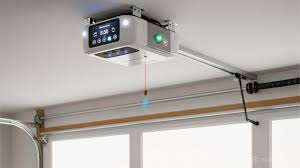
Have you ever stood in your garage, remote in hand, wondering if that little motor humming above is pulling too much power from your home’s grid? It is a common concern for homeowners who want to ensure their appliances run safely without tripping breakers or causing fire hazards. If you are asking, “Does a garage door opener need a dedicated circuit?” you are not alone, and the answer involves more than just a simple yes or no.
Understanding the electrical requirements of your garage door opener is crucial for both safety and convenience. While modern openers are designed to be energy-efficient, the wiring infrastructure behind them plays a significant role in their longevity and performance. In this guide, we will break down the National Electrical Code (NEC) standards, expert recommendations, and practical steps to ensure your garage door operates smoothly.
Understanding the Power Requirements of Garage Door Openers
To determine if a dedicated circuit is necessary, we first need to look at how much power these devices actually consume. Most residential garage door openers are surprisingly low-power devices. They typically operate on standard 120-volt household current and draw between 3 to 5 amps during operation. However, the startup surge—the moment the motor kicks in to lift the heavy door—can briefly spike higher.
Despite this surge, the continuous load is minimal. For context, a typical hair dryer uses 10–15 amps, while a garage door opener uses a fraction of that. This low amperage is why many homeowners assume they can plug their opener into any available outlet. However, electrical safety is not just about current capacity; it is also about reliability and code compliance.
Key Power Specifications
- Voltage: 120V AC (Standard US household voltage)
- Amperage: 3–5 Amps (Running), up to 10–15 Amps (Startup Surge)
- Wattage: Approximately 300–600 Watts
What Do Electrical Codes Say About Dedicated Circuits?
When dealing with home electrical systems, the National Electrical Code (NEC) is the bible for safety standards. Many homeowners are surprised to learn that the NEC does not explicitly require a dedicated circuit for a standard residential garage door opener.
According to the NEC, garage door openers are considered “appliance loads” rather than fixed heavy-duty machinery like electric ranges or HVAC systems. Therefore, they can share a circuit with other outlets in the garage, provided the total load does not exceed the circuit breaker’s rating (usually 15 or 20 amps).
However, there is a catch. The NEC does require that garages have at least one dedicated 20-amp circuit for general receptacle use if the garage is attached to the house. This means your opener might be sharing a circuit with other tools, lights, or battery chargers. If that shared circuit becomes overloaded, your garage door could fail to open when you need it most.
For a deeper understanding of electrical safety standards, you can refer to the comprehensive guidelines provided by Wikipedia’s overview of the National Electrical Code.
Why You Might Still Want a Dedicated Circuit
Even though it is not strictly required by code, many professional electricians and experienced homeowners recommend installing a dedicated circuit for your garage door opener. Here is why:
1. Enhanced Reliability
Imagine you are using a power tool or charging an electric vehicle in your garage, and suddenly the breaker trips. If your garage door opener is on that same circuit, you might find yourself trapped inside or unable to get your car out. A dedicated circuit ensures that your opener remains operational regardless of what else is happening in the garage.
2. Protection from Power Surges
Shared circuits are more susceptible to voltage fluctuations caused by other high-draw appliances. A dedicated line provides cleaner power, which can extend the lifespan of the opener’s motor and electronic control board.
3. Simplified Troubleshooting
If your garage door stops working, knowing it has its own circuit makes diagnosing the problem easier. You can check the specific breaker for the opener without worrying about other devices interfering with the test.
Comparison: Shared vs. Dedicated Circuit
| Feature | Shared Circuit | Dedicated Circuit |
|---|---|---|
| Code Requirement | Permitted (Not mandatory) | Not Required but Recommended |
| Reliability | Lower (Risk of tripping) | Higher (Isolated power source) |
| Installation Cost | Low (Uses existing outlet) | Moderate (New wiring needed) |
| Troubleshooting | Complex | Simple |
| Best For | Light-use garages | Heavy-use or smart-home setups |
Signs Your Garage Door Opener Needs Its Own Circuit
How do you know if your current setup is inadequate? Watch out for these red flags:
- Frequent Breaker Trips: If the breaker trips every time you use the garage door along with another device, the circuit is overloaded.
- Dimming Lights: When the opener activates, do the garage lights dim significantly? This indicates a voltage drop due to insufficient power capacity.
- Slow Operation: If the door moves slower than usual or struggles to lift, it may not be receiving consistent power.
- Intermittent Failures: The opener works sometimes but fails randomly, especially when other appliances are in use.
If you experience any of these issues, it is a strong indicator that upgrading to a dedicated circuit would benefit your system.
How to Install a Dedicated Circuit for Your Garage Door Opener
If you decide to proceed with a dedicated circuit, here is a step-by-step overview of what the process entails. Note: Always hire a licensed electrician for electrical work.
- Assessment: The electrician will evaluate your main electrical panel to ensure there is space for a new breaker.
- Running Wire: A new 14-gauge or 12-gauge wire will be run from the panel to the location of the garage door opener.
- Installing the Outlet: A new single-outlet box will be installed near the opener motor unit.
- Connecting the Breaker: A new 15-amp or 20-amp breaker will be installed in the panel and labeled clearly as “Garage Door Opener.”
- Testing: The system will be tested to ensure proper voltage and grounding.
This process typically takes a few hours and costs between $150 and $300, depending on your local labor rates and the distance from the panel.
FAQ Section
Q1: Can I plug my garage door opener into a GFCI outlet?
A: Yes, and in many jurisdictions, it is required. All garage outlets must be GFCI (Ground Fault Circuit Interrupter) protected to prevent electrical shocks. However, some older opener models may nuisance-trip sensitive GFCI breakers. If this happens, consult an electrician to install a GFCI breaker at the panel instead of the outlet.
Q2: Does a smart garage door opener need more power?
A: Smart openers use slightly more power due to Wi-Fi connectivity and sensors, but the increase is negligible (less than 1 amp). They still do not strictly require a dedicated circuit, but a stable power source is recommended to maintain connectivity.
Q3: What size breaker should I use for a garage door opener?
A: A standard 15-amp breaker is sufficient for most residential garage door openers. If you are running a dedicated circuit, a 15-amp breaker with 14-gauge wire is the standard configuration.
Q4: Can I share the circuit with my garage freezer?
A: It is not recommended. Freezers have compressors that draw significant power during startup. Sharing a circuit with a freezer increases the risk of tripping the breaker, which could spoil your food and leave your garage door stuck.
Q5: Is it safe to use an extension cord for my garage door opener?
A: No. Manufacturers and safety experts strongly advise against using extension cords. They can cause voltage drops, overheating, and fire hazards. Always plug the opener directly into a properly wired wall outlet.
Q6: How often should I check my garage door’s electrical connections?
A: Inspect the outlet and plug annually for signs of burning, discoloration, or looseness. If you notice any damage, stop using the opener immediately and call an electrician.
Conclusion
So, does a garage door opener need a dedicated circuit? While the National Electrical Code does not mandate it, installing one is a wise investment for reliability, safety, and peace of mind. A dedicated circuit protects your opener from power surges and ensures it remains functional even when other garage appliances are in use.
If you are building a new home or renovating your garage, ask your electrician to include a dedicated line for your opener. If you already have an existing setup, monitor for signs of overload and consider upgrading if you experience frequent issues.
Did you find this guide helpful? Share it with your friends and neighbors on social media to help them keep their garages safe and functional! Don’t forget to comment below if you have any questions about your specific garage setup.
Leave a Reply