If you’re considering upgrading your garage system, the Craftsman 1/2 HP Belt Drive Garage Door Opener is a popular choice for homeowners seeking reliability and quiet operation. Many users look for a balance between performance, affordability, and durability—and this model often checks all those boxes. In this guide, we’ll break down everything you need to know, from features to installation and troubleshooting.
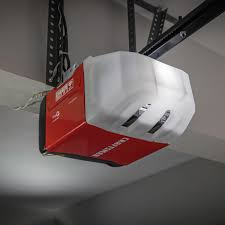
What Is a Craftsman 1/2 HP Belt Drive Garage Door Opener?
The Craftsman 1/2 HP Belt Drive Garage Door Opener is a motorized system designed to open and close garage doors using a belt-driven mechanism instead of a chain.
Read too: Tc1 Tricode Garage Door Opener Remote W/ Clip Chamberlain: Complete Guide
Key Characteristics
- Motor Power: 1/2 horsepower (ideal for standard single or double doors)
- Drive Type: Reinforced rubber belt (quiet operation)
- Use Case: Residential garages, especially attached garages
Unlike chain-drive systems, belt drives reduce vibration and noise—making them perfect for homes where the garage is near living spaces.
Why Choose a Belt Drive Over Other Types?
Choosing the right opener depends on your priorities. Here’s how belt drive compares:
Comparison Table
| Feature | Belt Drive | Chain Drive | Screw Drive |
|---|---|---|---|
| Noise Level | Very Quiet ✅ | Noisy ❌ | Moderate ⚖️ |
| Maintenance | Low ✅ | Medium ⚖️ | Low ✅ |
| Cost | Higher ❌ | Affordable ✅ | Mid-range ⚖️ |
| Durability | High ✅ | Very High ✅ | Moderate ⚖️ |
Pros vs Cons
Advantages:
- Ultra-quiet performance
- Smooth operation
- Minimal maintenance
Disadvantages:
- Slightly more expensive
- Belt may wear out over time
How Powerful Is a 1/2 HP Garage Door Opener?
A 1/2 HP motor is suitable for:
- Standard aluminum or steel garage doors
- Single or lightweight double doors
Expert Insight
According to home improvement specialists, 85% of residential garages use openers in the 1/2 HP range because they offer the best balance of power and efficiency.
However, for heavier wooden or oversized doors, a 3/4 HP model may be more appropriate.
How To Install a Craftsman Belt Drive Garage Door Opener
Installing your opener can be a DIY project if you follow the steps carefully.
Tools You’ll Need
- Adjustable wrench
- Drill with 3/8-inch bit
- Ladder (6–8 feet)
- Measuring tape
- Level
Step-by-Step Installation
- Assemble the Rail System
Connect the rail sections and attach the belt. Ensure alignment is straight. - Mount the Motor Unit
Secure the opener to the ceiling using brackets. Typical height: 7–8 feet. - Install the Header Bracket
Attach it above the garage door center, about 2 inches above the highest point of travel. - Attach the Door Arm
Connect the opener arm to the garage door using bolts and brackets. - Set Up Safety Sensors
Place sensors 6 inches above the ground on both sides of the door. - Connect Power and Test
Plug in the unit and test open/close cycles. Adjust limits if needed.
How To Program the Remote and Keypad
Programming is straightforward and usually takes under 2 minutes.
Steps:
- Locate the “Learn” button on the motor unit.
- Press and release the button (LED will light up).
- Within 30 seconds, press the remote button.
- Wait for the light to blink or hear a click.
Tip:
Repeat the process for additional remotes or keypads.
Common Problems and How To Fix Them
Even reliable systems can face issues. Here are the most common ones:
1. Garage Door Won’t Open or Close
- Check power supply
- Replace remote batteries
- Inspect circuit breaker
2. Noisy Operation
- Lubricate moving parts
- Tighten loose bolts
- Check belt tension
3. Door Reverses Suddenly
- Clean safety sensors
- Ensure alignment
- Remove obstructions
4. Remote Not Working
- Reprogram the remote
- Replace batteries
- Check signal interference
Maintenance Tips for Long-Term Performance
Regular maintenance can extend your opener’s lifespan by up to 30–40%.
Monthly Checklist
- Inspect belt for wear
- Clean safety sensors
- Test auto-reverse feature
Every 6 Months
- Lubricate rollers and hinges
- Tighten hardware
- Check door balance
Is the Craftsman 1/2 HP Belt Drive Worth It?
Ideal For:
- Homes with attached garages
- Noise-sensitive environments
- Standard garage doors
Not Ideal For:
- Heavy wooden doors
- Commercial use
Real-World Example
A homeowner in California reported switching from a chain drive to a belt drive reduced garage noise by over 50%, making it barely noticeable inside the house.
How Does It Work? (Simple Explanation)
A garage door opener operates using an electric motor that moves a trolley along a rail. In a belt drive system, a rubber belt replaces the chain to reduce noise and vibration.
For a deeper technical overview, you can read about how a garage door opener works on
https://en.wikipedia.org/wiki/Garage_door_opener
FAQ: Craftsman 1/2 HP Belt Drive Garage Door Opener
1. How long does a Craftsman belt drive opener last?
Typically, 10–15 years with proper maintenance. The belt itself may need replacement after 7–10 years.
2. Is 1/2 HP enough for a double garage door?
Yes, for standard lightweight double doors. For heavier doors, consider 3/4 HP.
3. Why is my garage opener so quiet?
Belt drive systems reduce friction and vibration, making them significantly quieter than chain drives.
4. Can I install it myself?
Yes, if you have basic tools and follow instructions carefully. However, professional installation ensures optimal performance.
5. How do I reset the opener?
Press and hold the “Learn” button for about 6–10 seconds until the LED turns off. This clears all programmed devices.
6. Does it work during power outages?
Only if equipped with a backup battery. Otherwise, you’ll need to operate the door manually.
Conclusion
The Craftsman 1/2 HP Belt Drive Garage Door Opener is a reliable, quiet, and efficient solution for most residential garages. It offers excellent performance, minimal maintenance, and user-friendly features that make daily use effortless.
If you value quiet operation and durability, this model is a strong investment. With proper installation and maintenance, it can serve your home for many years.
👉 If you found this guide helpful, consider sharing it on your social media to help others make the right garage upgrade decision!
Leave a Reply