Introduction
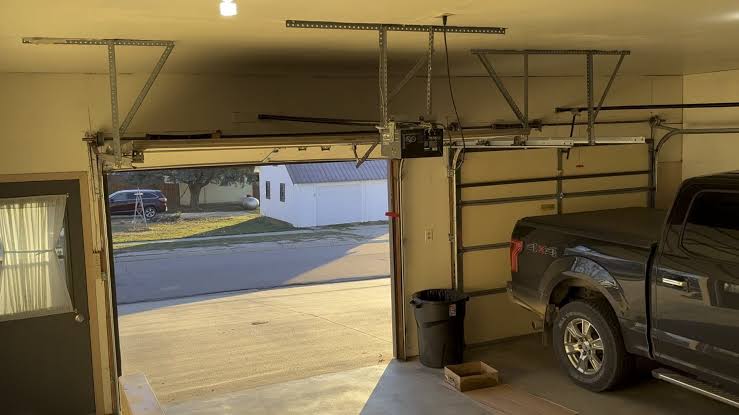
There’s nothing more frustrating than watching your garage door start to close, only to reverse direction and go back up unexpectedly. If you’re dealing with a Chamberlain garage door goes down and comes back up issue, you’re not alone—this is one of the most common complaints among homeowners with automatic garage door openers. The good news? Most causes are simple to diagnose and fix without calling a professional. In this comprehensive guide, we’ll walk you through everything you need to know to identify the root cause and get your garage door working smoothly again.
Why Does My Chamberlain Garage Door Reverse After Closing?
Understanding why your garage door behaves this way is the first step toward fixing it. Modern garage door openers, including Chamberlain models, are equipped with safety features designed to prevent injury or damage. When the door detects an obstruction or malfunction during closing, it automatically reverses as a protective measure.
According to the Consumer Product Safety Commission (CPSC), garage door-related injuries send thousands of people to emergency rooms annually, which is why reverse mechanisms are federally mandated in the United States since 1993. While these safety features are essential, they can sometimes trigger falsely, causing unnecessary reversals.
Common Causes at a Glance
| Cause | Likelihood | Difficulty to Fix |
|---|---|---|
| Misaligned safety sensors | High | Easy |
| Dirty or obstructed sensors | High | Very Easy |
| Incorrect travel limit settings | Medium | Moderate |
| Weak or failing batteries in remote | Low | Easy |
| Damaged or worn rollers/tracks | Medium | Moderate to Hard |
| Faulty logic board | Low | Hard (Professional Help) |
Check and Clean Your Safety Sensors First
The number one culprit behind a Chamberlain garage door goes down and comes back up problem is misaligned or dirty safety sensors. These small devices, located near the bottom of your garage door tracks, emit an invisible infrared beam. If the beam is interrupted—even by dust, spider webs, or slight misalignment—the door will reverse.
Step-by-Step Sensor Troubleshooting
- Locate the sensors: Look for two small boxes mounted on either side of the garage door, about 6 inches above the floor.
- Check the indicator lights: Most Chamberlain sensors have LED lights. A steady green light means proper alignment; a blinking or off light indicates a problem.
- Clean the lens: Use a soft, dry cloth to wipe away any dirt, dust, or debris from the sensor lenses. Avoid using chemical cleaners.
- Realign the sensors: Loosen the wing nuts slightly and adjust the sensors until both LEDs show a steady green light. Tighten the nuts securely.
- Test the door: Press the close button and observe whether the door completes its cycle.
Pro Tip: Place a piece of cardboard between the sensors while the door is closing. If the door reverses immediately, the sensors are working correctly. If it doesn’t, there may be a wiring or internal component issue.
For more information on garage door safety standards, visit Wikipedia’s page on garage door openers.
Adjust the Travel Limit Settings
If your sensors are clean and properly aligned but the problem persists, the next likely cause is incorrect travel limit settings. These settings tell your Chamberlain opener how far the door should travel when opening and closing. If the “down” limit is set too far, the door may hit the ground with excessive force, triggering the reverse mechanism.
How to Adjust Travel Limits on Chamberlain Openers
- Locate the adjustment screws: On most Chamberlain models, you’ll find two screws labeled “Up” and “Down” on the motor unit.
- Use a screwdriver: Turn the “Down” screw counterclockwise in small increments (¼ turn at a time) to reduce the closing distance.
- Test after each adjustment: Close the door and see if it stays down. If it still reverses, adjust further.
- Avoid over-adjusting: The door should close firmly but not slam into the floor. You should be able to slip a piece of paper under the door when closed.
Different Chamberlain models may have slightly different adjustment procedures. Consult your owner’s manual for model-specific instructions. If you’ve lost your manual, Chamberlain provides downloadable PDFs on their official website.
Inspect the Tracks and Rollers
Physical obstructions or damaged components in the garage door system can also cause reversing issues. Over time, rollers can wear out, tracks can become bent, or debris can accumulate in the track channels.
What to Look For
- Bent or dented tracks: Even minor bends can cause the door to bind and reverse.
- Worn rollers: Plastic rollers can crack, and metal rollers can develop flat spots.
- Debris in tracks: Leaves, twigs, or built-up grime can obstruct smooth movement.
- Loose hardware: Check all bolts and brackets for tightness.
Maintenance Checklist
- Lubricate rollers and hinges with silicone-based lubricant every 6 months.
- Vacuum or brush out track channels quarterly.
- Tighten any loose bolts or screws.
- Replace worn rollers promptly—don’t wait for complete failure.
Test the Force Settings
Chamberlain garage door openers have adjustable force settings that determine how much resistance the door encounters before reversing. If the force setting is too low, the door may interpret normal friction as an obstruction and reverse prematurely.
Adjusting Force Settings
- Find the force adjustment knobs: Usually located near the travel limit screws on the motor unit.
- Increase the down force slightly: Turn the knob clockwise in small increments.
- Test carefully: After each adjustment, test the door. It should close completely without excessive force.
- Safety check: Place a 2×4 piece of wood on the floor where the door closes. The door should reverse when it contacts the wood. If it doesn’t, reduce the force setting immediately.
⚠️ Warning: Never set the force so high that the door won’t reverse when encountering an obstacle. This defeats the purpose of the safety feature and creates a serious hazard.
When to Call a Professional
While many Chamberlain garage door goes down and comes back up issues can be resolved with DIY troubleshooting, some situations require professional assistance:
- The logic board appears faulty (intermittent operation, unresponsive controls).
- Springs are broken or damaged (never attempt spring repair yourself—they are under extreme tension and can cause severe injury).
- The motor makes unusual noises or smells burnt.
- You’ve tried all troubleshooting steps and the problem persists.
A certified garage door technician can diagnose complex electrical or mechanical issues safely and efficiently. Most service calls cost between $150–$300, depending on your location and the nature of the problem.
FAQ Section
Q1: Why does my Chamberlain garage door reverse immediately after touching the ground?
A: This is typically caused by incorrect travel limit settings or excessive force sensitivity. Adjust the down limit screw to reduce how far the door travels, and ensure the force setting isn’t too low.
Q2: Can weather affect my garage door’s reversing behavior?
A: Yes. Extreme temperatures can cause metal tracks to expand or contract, affecting alignment. Humidity can also cause wooden doors to swell. Regular maintenance helps mitigate these effects.
Q3: How often should I clean my garage door sensors?
A: Clean your sensors at least once every three months, or more frequently if you live in a dusty area or have pets. Visual inspections should be done monthly.
Q4: Is it safe to bypass the safety sensors temporarily?
A: No. Bypassing safety sensors is extremely dangerous and violates federal safety regulations. Always address the underlying issue rather than disabling safety features.
Q5: My Chamberlain door reverses only when using the remote, not the wall button. What’s wrong?
A: This suggests a weak remote battery or signal interference. Replace the remote batteries first. If the problem continues, check for nearby electronic devices that may cause interference.
Q6: How long do Chamberlain garage door openers typically last?
A: With proper maintenance, Chamberlain openers last 10–15 years on average. Regular lubrication, sensor cleaning, and timely part replacements can extend this lifespan.
Conclusion
Dealing with a Chamberlain garage door goes down and comes back up issue doesn’t have to be stressful. By systematically checking your safety sensors, adjusting travel limits, inspecting tracks and rollers, and testing force settings, you can resolve most problems on your own. Remember, regular maintenance is key to preventing future issues and ensuring your garage door operates safely and reliably.
If you found this guide helpful, please share it with friends or family who might be experiencing similar garage door troubles. A well-functioning garage door isn’t just convenient—it’s a critical safety feature for your home. Stay safe, and happy troubleshooting!
Leave a Reply