If you’re dealing with a noisy, unreliable garage door or upgrading your home system, the Chamberlain 1/2 Hp Chain Drive Garage Door Opener might be exactly what you need. Many homeowners want a balance between affordability, durability, and performance—and this model often checks all three boxes. In this guide, you’ll learn whether it’s the right fit for your garage and how to get the most out of it.
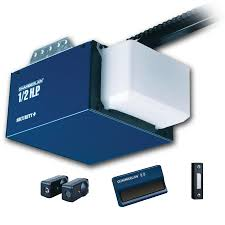
What Is the Chamberlain 1/2 Hp Chain Drive Garage Door Opener?
The Chamberlain 1/2 Hp Chain Drive Garage Door Opener is a traditional, budget-friendly garage door system powered by a ½ horsepower motor. It uses a metal chain mechanism—similar to a bicycle chain—to lift and lower the garage door.
Read too: How Do You Change Code On Garage Door Keypad Fast?
Key Highlights:
- Ideal for standard aluminum or steel garage doors
- Strong lifting power with ½ HP motor
- Durable chain drive system
- Compatible with smart home add-ons (MyQ technology in newer models)
According to general industry data, chain drive openers remain among the most widely used types due to their strength and cost-effectiveness.
How Does a Chain Drive Garage Door Opener Work?
A chain drive system operates by pulling or pushing a trolley along a rail using a metal chain. This trolley connects to the garage door and moves it up or down.
For deeper technical understanding, you can refer to this overview on garage door mechanisms from Wikipedia:
https://en.wikipedia.org/wiki/Garage_door
Basic Working Process:
- Motor activates when you press the remote.
- Chain rotates around a sprocket.
- Trolley moves along the rail.
- Door opens or closes accordingly.
This system is known for strength over silence, making it ideal for detached garages.
Who Should Buy This Garage Door Opener?
Best for:
- Homeowners on a budget
- Detached garages (noise is less of a concern)
- Standard 1-car or 2-car garage doors
- Users needing a reliable, no-frills solution
Not ideal for:
- Garages attached to bedrooms (can be noisy)
- Users wanting ultra-quiet operation
Key Features Explained
1. 1/2 HP Motor Performance
The motor provides enough power to lift most standard residential doors (up to 7–8 feet tall).
Why it matters:
It ensures smooth operation without overloading the system.
2. Durable Chain Drive Mechanism
Chain drives are known for longevity and strength.
Pros:
- Long-lasting metal components
- Handles heavier doors better than belt drives
Cons:
- Produces more noise and vibration
3. Safety Sensors
Modern Chamberlain models include infrared safety sensors.
How it works:
- Detects obstacles
- Automatically reverses door motion
4. MyQ Smart Technology (Optional)
Some models support MyQ, allowing control via smartphone.
Benefits:
- Open/close remotely
- Get real-time alerts
- Integrate with smart home systems
Pros vs Cons
✅ Advantages
- Affordable price point
- Strong and reliable motor
- Proven chain drive technology
- Easy to maintain
❌ Disadvantages
- Noisy compared to belt drive
- Slight vibration during operation
- Basic features on older models
Performance and Real-World Usage
According to home improvement surveys, chain drive openers can last 10–15 years with proper maintenance. Many users report that Chamberlain units:
- Operate reliably even after years of use
- Require minimal repairs
- Handle daily open/close cycles efficiently
However, noise levels average around 60–70 decibels, similar to a vacuum cleaner—something to consider for attached garages.
Step-by-Step Installation Guide
Installing the Chamberlain 1/2 Hp Chain Drive Garage Door Opener is doable for DIY enthusiasts, though it may take 4–6 hours.
Tools Needed:
- Adjustable wrench
- Ladder
- Power drill
- Measuring tape
Installation Steps:
1. Assemble the Rail
Connect rail sections and attach the chain system.
2. Mount the Motor Unit
Secure it to the ceiling using brackets.
3. Install the Chain
Ensure proper tension—not too tight or loose.
4. Attach to Garage Door
Connect trolley arm to the door bracket.
5. Install Safety Sensors
Place sensors about 6 inches above the ground on both sides.
6. Test the System
Run the opener and adjust force settings if needed.
Maintenance Tips for Long-Term Performance
To keep your opener running smoothly:
- Lubricate the chain every 6 months
- Tighten loose bolts periodically
- Clean safety sensors monthly
- Test auto-reverse feature every 30 days
Pro tip: Avoid over-lubricating—it can attract dust and debris.
Chain Drive vs Belt Drive: Quick Comparison
| Feature | Chain Drive | Belt Drive |
|---|---|---|
| Noise Level | Loud | Very quiet |
| Price | More affordable | More expensive |
| Durability | Very strong | Moderate |
| Maintenance | Requires lubrication | Low maintenance |
| Best Use | Detached garages | Attached garages |
Is It Worth Buying in 2026?
Yes—if your priorities are durability, affordability, and reliability, the Chamberlain 1/2 Hp Chain Drive Garage Door Opener is still a solid choice in 2026.
However, if you prioritize quiet operation and smart features, you may want to consider newer belt-drive alternatives.
FAQ: Chamberlain 1/2 Hp Chain Drive Garage Door Opener
1. Is a 1/2 HP garage door opener powerful enough?
Yes, it’s sufficient for most standard residential garage doors made of steel or aluminum.
2. How noisy is a chain drive opener?
It’s louder than belt drives—expect moderate noise similar to household appliances.
3. Can I install it myself?
Yes, if you’re comfortable with basic tools. Otherwise, professional installation is recommended.
4. How long does it last?
With proper maintenance, it can last 10–15 years or more.
5. Does it work with smart home systems?
Some models support MyQ technology for smartphone control.
6. What maintenance does it require?
Regular lubrication, sensor cleaning, and periodic safety checks.
Conclusion
The Chamberlain 1/2 Hp Chain Drive Garage Door Opener remains a dependable and cost-effective solution for homeowners who prioritize strength and reliability over silence. It’s easy to maintain, widely available, and proven to perform well over time.
If you’re upgrading your garage system without breaking the bank, this opener is definitely worth considering.
👉 If you found this guide helpful, share it on your social media to help others make smarter home improvement decisions!
Leave a Reply