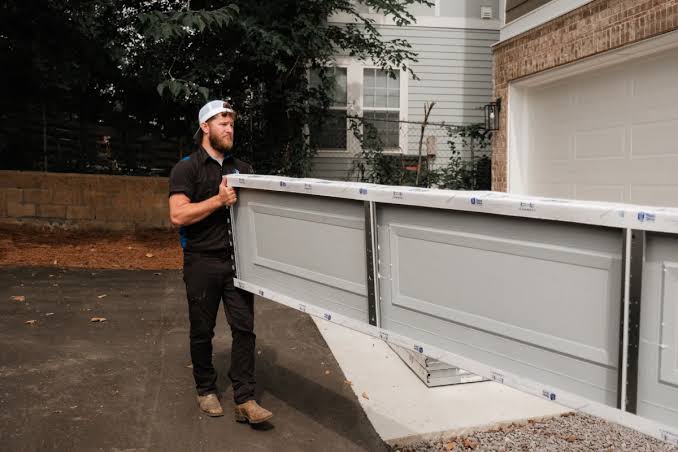
Have you ever noticed a dented or damaged panel on your garage door and wondered if you need to replace the entire unit? It’s a common concern for homeowners who want to save money while maintaining their home’s curb appeal. The good news is that can you replace one section of a garage door depends on several factors, but in many cases, the answer is yes. This guide will walk you through everything you need to know about replacing a single garage door panel, from assessing the damage to deciding whether to DIY or hire a professional.
Understanding Garage Door Construction
Before diving into replacement options, it’s essential to understand how modern garage doors are built. Most residential garage doors consist of multiple horizontal panels connected by hinges. These panels work together as a unified system, rolling up along tracks when opened.
According to industry standards, garage door panels typically range from 18 to 24 inches in height, with width varying based on your door’s overall dimensions. Each panel contains insulation (in insulated models), exterior skin material (steel, aluminum, wood, or composite), and internal reinforcement struts.
The interconnected nature of these panels means that damage to one section doesn’t necessarily compromise the entire door’s functionality. However, compatibility issues can arise when attempting replacements, which we’ll explore in detail below.
When Can You Replace Just One Panel?
Not every damaged garage door qualifies for single-panel replacement. Several critical factors determine whether this repair option is viable:
Age and Availability
If your garage door is less than 10-15 years old, manufacturers likely still produce matching panels. For older doors, finding an exact match becomes increasingly difficult. Check with the original manufacturer first before proceeding with any replacement plans.
Damage Extent
Single-panel replacement works best when:
- Damage is isolated to one specific panel
- Adjacent panels remain undamaged and functional
- The door’s track, springs, and opener system operate correctly
- No structural compromise exists in the door frame
Cost Considerations
Replacing one panel typically costs between $250-$600, including labor, compared to $800-$2,500 for a complete door replacement. This significant savings makes panel replacement an attractive option when feasible.
Step-by-Step Guide to Replacing One Garage Door Section
If you’ve determined that single-panel replacement is appropriate for your situation, follow these detailed steps:
Step 1: Gather Necessary Tools and Materials
You’ll need:
- Replacement panel (exact match to existing door)
- Socket wrench set
- Screwdriver set (Phillips and flathead)
- Pliers
- Safety glasses and work gloves
- Ladder
- Assistant (highly recommended for safety)
Step 2: Ensure Safety First
Disconnect the garage door opener and manually close the door completely. Engage the emergency release cord to disconnect the door from the opener mechanism. Place C-clamps on the tracks below the bottom roller to prevent accidental movement.
Step 3: Remove the Damaged Panel
- Starting from the top, remove the bolts connecting the damaged panel to adjacent panels
- Carefully detach hinge brackets attached to the damaged section
- With help from your assistant, gently lower and remove the damaged panel
- Inspect surrounding panels for hidden damage
Step 4: Install the New Panel
- Position the new panel between the adjacent sections
- Align hinge holes precisely with existing hardware
- Insert and tighten all connecting bolts securely
- Reattach any decorative hardware or windows removed earlier
Step 5: Test Functionality
Remove the C-clamps and manually operate the door several times to ensure smooth movement. Check for proper alignment and listen for unusual noises. If everything operates correctly, reconnect the garage door opener and test automatic operation.
For more detailed information about garage door components and safety standards, visit Wikipedia’s comprehensive guide on garage doors.
Pros and Cons of Single Panel Replacement
| Advantages | Disadvantages |
|---|---|
| Significant cost savings vs. full replacement | Color matching challenges with older doors |
| Faster repair time (typically 2-4 hours) | May void existing warranty |
| Maintains existing door aesthetics | Requires precise installation skills |
| Environmentally friendly (less waste) | Not suitable for extensive damage |
Common Challenges and Solutions
Color Matching Issues
Even when ordering from the same manufacturer, slight color variations can occur due to fading of existing panels. Professional painting services can help blend the new panel with existing ones, though this adds to the overall cost.
Hardware Compatibility
Older doors may use discontinued hardware styles. In such cases, you might need to replace hinges and rollers along with the panel to ensure proper function.
Weight Distribution Concerns
New panels may have different weights than original ones, potentially affecting spring tension. Have a professional assess whether spring adjustment is necessary after installation.
When to Call a Professional
While DIY replacement is possible for experienced homeowners, consider hiring a professional when:
- You’re uncomfortable working with heavy garage door components
- The damage affects multiple panels or structural elements
- Your door uses torsion springs (extremely dangerous for DIY work)
- You lack the necessary tools or assistance
- The door is under warranty (DIY repairs may void coverage)
Professional installation typically adds $150-$300 to the total cost but ensures proper alignment, safety, and often includes a service warranty.
FAQ Section
Q: How much does it cost to replace one section of a garage door?
A: The cost typically ranges from $250 to $600, including parts and labor. Factors affecting price include door material, panel size, geographic location, and whether you DIY or hire professionals.
Q: Can I replace a garage door panel myself?
A: Yes, if you have basic mechanical skills, proper tools, and an assistant. However, garage doors are heavy and under tension, so safety should be your top priority. If unsure, consult a professional.
Q: Will replacing one panel affect my garage door warranty?
A: It might. Many manufacturers require authorized dealers to perform repairs to maintain warranty coverage. Check your warranty terms before proceeding with any repairs.
Q: How long does it take to replace one garage door section?
A: A professional can complete the job in 2-4 hours. DIY replacement may take 4-6 hours for first-timers, depending on complexity and experience level.
Q: What happens if I can’t find a matching panel?
A: Options include painting the new panel to match, replacing multiple panels for uniformity, or considering full door replacement. Some companies offer custom panel fabrication for unique situations.
Q: Is it worth repairing or should I replace the entire door?
A: If your door is over 15 years old, has multiple damaged panels, or requires frequent repairs, full replacement may be more cost-effective long-term. For newer doors with isolated damage, panel replacement makes financial sense.
Conclusion
So, can you replace one section of a garage door? Absolutely—in many cases, it’s a practical, cost-effective solution that preserves your door’s appearance and functionality. By understanding when single-panel replacement is appropriate, following proper safety protocols, and knowing when to seek professional help, you can make an informed decision that saves money while maintaining your home’s value.
Remember, garage doors are heavy mechanical systems that require respect and caution. Whether you choose DIY or professional installation, prioritizing safety ensures successful results. If this guide helped clarify your options, please share it with friends and neighbors who might face similar garage door dilemmas. Your shared knowledge could save someone time, money, and frustration!
Leave a Reply