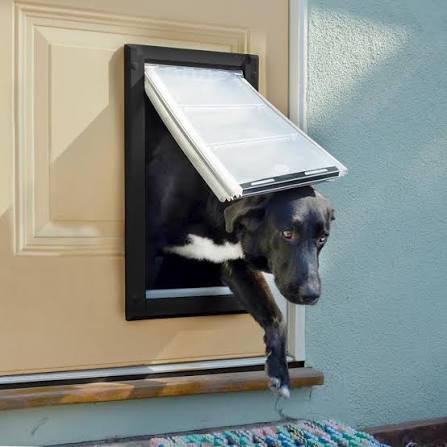
If you’re a pet owner, you know the struggle of constantly letting your dog in and out. It disrupts your workflow, breaks your focus, and frankly, gets old fast. Many homeowners ask, “Can you put a dog door in a garage door?” The short answer is yes, but it requires careful planning to ensure safety, durability, and proper insulation. This guide will walk you through everything you need to know to make an informed decision.
Is It Safe to Install a Dog Door in a Garage Door?
Safety is the primary concern when modifying any structural element of your home. Garage doors are dynamic systems with springs, cables, and motors that operate under high tension. Cutting into them without proper knowledge can be dangerous.
However, installing a dog door in a solid section of a sectional garage door (the most common type) is generally safe if done correctly. The key is avoiding the hinges, rollers, and tracks. According to general home improvement standards, modifications should never interfere with the door’s balance or mechanical operation.
Expert Insight: Always consult your garage door manufacturer’s warranty guidelines before cutting. Some warranties may be voided by unauthorized modifications. For more on garage door mechanics, you can refer to Wikipedia’s article on overhead doors.
Key Safety Considerations:
- Avoid Structural Weakness: Never cut near the edges or where panels connect.
- Check for Insulation: If your door is insulated, ensure the cut doesn’t compromise the thermal barrier excessively.
- Secure the Flap: Use a sturdy, weather-resistant dog door to prevent drafts and pests.
What Type of Garage Door Works Best for a Dog Door?
Not all garage doors are created equal. The material and style of your door significantly impact the feasibility of installing a pet door.
| Garage Door Type | Feasibility | Difficulty Level | Notes |
|---|---|---|---|
| Sectional Steel | High | Moderate | Most common; easy to cut if solid panel. |
| Wood Panel | High | Easy | Easy to cut and seal; watch for splintering. |
| Aluminum/Glass | Low | Hard | Fragile; risk of shattering glass or bending metal. |
| Roll-Up Doors | Very Low | Very Hard | Not recommended due to curvature and mechanism. |
Sectional steel and wood doors are the best candidates. They have flat, solid panels that provide enough surface area for a standard dog door frame. Avoid doors with windows or intricate designs unless you are a professional installer.
How to Choose the Right Dog Door for Your Garage
Selecting the right dog door is crucial for longevity and performance. Garage environments are harsher than interior walls, exposed to temperature fluctuations, moisture, and dirt.
Essential Features to Look For:
- Weatherproofing: Look for double-flap systems or magnetic seals to keep out rain, wind, and insects.
- Durability: Heavy-duty plastic or aluminum frames resist warping and cracking.
- Size Appropriateness: Measure your dog’s height and width. Add 2–3 inches to both dimensions for comfortable passage.
- Locking Mechanism: A secure lock prevents unwanted animals (like raccoons or stray cats) from entering your garage.
Pro Tip: Consider a microchip-activated dog door if you want to restrict access to only your pet. These are more expensive but offer superior security.
Step-by-Step Guide: Installing a Dog Door in a Garage Door
If you’re handy with tools, you can tackle this project yourself. Here’s a detailed, step-by-step process.
Tools You’ll Need:
- Measuring tape
- Jigsaw or hole saw
- Drill with bits
- Screwdriver
- Silicone sealant
- Sandpaper (for wood doors)
- Safety goggles and gloves
Installation Steps:
- Choose the Location: Select a lower panel of the garage door, at least 6 inches from the bottom edge and away from hinges. Ensure the spot is flat and solid.
- Measure and Mark: Hold the dog door frame against the chosen spot. Trace the outline with a pencil. Double-check measurements to ensure accuracy.
- Drill Pilot Holes: Drill small holes at each corner of the traced rectangle. This helps guide your jigsaw and prevents tearing.
- Cut the Opening: Using a jigsaw, carefully cut along the marked lines. Go slowly to ensure clean edges. If it’s a steel door, use a metal-cutting blade.
- Smooth the Edges: Sand down any rough edges (especially for wood doors) to prevent injury to your pet or damage to the door frame.
- Insert the Dog Door: Place the dog door frame into the opening. Ensure it fits snugly.
- Secure the Frame: Use the provided screws to attach the inner and outer frames together. Tighten evenly to avoid warping.
- Seal the Gaps: Apply silicone sealant around the exterior frame to prevent water leakage and air drafts. Wipe away excess sealant.
- Test the Door: Open and close your garage door several times to ensure the new addition doesn’t interfere with its operation. Let your dog try it out!
Pros and Cons of Putting a Dog Door in a Garage Door
Before you start cutting, weigh the advantages and disadvantages.
Advantages:
- Convenience: Your dog can go out for bathroom breaks without waiting for you.
- Exercise: Encourages physical activity for your pet.
- Independence: Reduces anxiety for dogs who dislike being confined.
Disadvantages:
- Security Risk: Potential entry point for intruders or wild animals if not locked properly.
- Insulation Loss: May increase energy costs if the garage is attached to your home.
- Maintenance: Requires regular cleaning to prevent dirt buildup in the flap.
Frequently Asked Questions (FAQ)
1. Will installing a dog door void my garage door warranty?
It depends on the manufacturer. Many warranties cover mechanical parts but not cosmetic or structural modifications. Always check your warranty terms or contact the manufacturer before proceeding.
2. Can I install a dog door in an insulated garage door?
Yes, but it’s more challenging. You’ll need to cut through both the inner and outer layers of the door. Ensure you seal the edges thoroughly to maintain insulation efficiency. Consider using a foam-filled dog door frame for better thermal protection.
3. How do I prevent other animals from using the dog door?
Use a dog door with a locking mechanism or a microchip reader. Standard flaps can be pushed open by raccoons, cats, or even strong winds. A 4-way locking system allows you to control access direction (in-only, out-only, locked, or free).
4. Is it better to put the dog door in the garage door or the wall next to it?
Installing it in the wall is often easier and less risky. It doesn’t interfere with the garage door’s mechanics and is easier to insulate. However, if your garage is detached or you prefer direct access from the door, the garage door itself is a viable option.
5. What size dog door do I need?
Measure your dog from the floor to the top of its shoulders (height) and from side to side (width). Add 2–3 inches to both measurements. For example, if your dog is 12 inches tall and 8 inches wide, choose a door at least 14–15 inches tall and 10–11 inches wide.
Conclusion
So, can you put a dog door in a garage door? Absolutely. It’s a practical solution for pet owners seeking convenience and independence for their furry friends. By choosing the right location, using durable materials, and following safety guidelines, you can create a seamless access point for your dog.
Remember to prioritize security and insulation to keep your home safe and energy-efficient. If you’re unsure about the installation, don’t hesitate to hire a professional. Your dog—and your peace of mind—will thank you.
Found this guide helpful? Share it with fellow pet owners on social media! Let’s help more dogs enjoy the freedom they deserve. 🐾
Leave a Reply