Have you ever looked up at the unfinished, bare metal or wood on the inside of your garage door and felt like something was missing? Many homeowners focus entirely on curb appeal, leaving the interior side neglected, but this space plays a crucial role in your garage’s overall insulation and aesthetic. If you are wondering can you paint the inside of a garage door, the answer is a resounding yes—and doing so can protect your door from moisture, rust, and wear while brightening up your workspace.
Why You Should Consider Painting the Interior Side
Most people assume that only the exterior of the garage door needs protection from the elements. However, the interior side faces its own set of challenges, including humidity fluctuations, temperature changes, and accidental dings from stored items or vehicles.
Painting the inside of your garage door isn’t just about aesthetics; it is a protective measure. According to industry experts, a proper coat of paint acts as a barrier against corrosion, especially for steel doors. For wooden doors, it prevents warping and rot caused by trapped moisture. Furthermore, a light-colored paint on the interior can reflect light, making your garage feel larger and brighter without additional electrical costs.
Choosing the Right Paint for Your Garage Door Material
Before you dip your brush, you must identify what your garage door is made of. Using the wrong type of paint can lead to peeling, cracking, or poor adhesion.
1. Steel Garage Doors
Steel is the most common material for modern garage doors. It is durable but prone to rust if not properly sealed.
- Best Paint Type: Acrylic latex exterior-grade paint or oil-based enamel.
- Why: Latex paints are flexible, allowing them to expand and contract with temperature changes without cracking. Oil-based enamels provide a harder, more durable finish but take longer to dry.
2. Aluminum Garage Doors
Aluminum is lightweight and resistant to rust, but it can be tricky to paint because paint doesn’t adhere well to its smooth surface.
- Best Paint Type: Acrylic latex paint with a high-quality bonding primer.
- Why: A bonding primer is essential to create a “tooth” for the paint to grip onto.
3. Wood Garage Doors
Wood offers a classic look but requires the most maintenance.
- Best Paint Type: High-quality exterior acrylic latex or oil-based paint.
- Why: Wood breathes, so using a breathable paint helps prevent moisture trapping, which leads to rot.
| Material | Recommended Paint | Primer Needed? | Drying Time |
|---|---|---|---|
| Steel | Acrylic Latex / Oil Enamel | Yes (Rust-inhibiting) | 4–6 Hours |
| Aluminum | Acrylic Latex | Yes (Bonding) | 4–6 Hours |
| Wood | Exterior Acrylic / Oil | Yes (Wood-specific) | 6–8 Hours |
Step-by-Step Guide: How to Paint the Inside of a Garage Door
Painting the interior side is slightly different from the exterior because you are working in an enclosed space with potentially less ventilation. Follow these steps for a professional result.
Step 1: Preparation and Safety
Safety is paramount. Ensure your garage is well-ventilated by opening windows and the main garage door. Wear a N95 mask, safety goggles, and gloves. Remove any items stored near the door to create a clear workspace.
Step 2: Clean the Surface Thoroughly
Dirt, grease, and grime will prevent paint from adhering. Mix a solution of mild detergent and warm water. Use a sponge or soft brush to scrub the entire interior surface. For greasy spots, use a degreaser. Rinse with clean water and let it dry completely. This may take 2–4 hours depending on humidity.
Step 3: Sand and Repair
Lightly sand the surface with 120-grit sandpaper to create a rough texture for better paint adhesion. If there are dents or scratches, fill them with an appropriate filler (auto body filler for steel/aluminum, wood filler for wood). Sand the filled areas smooth once dry.
Step 4: Apply Primer
Priming is non-negotiable for a long-lasting finish. Use a roller for large flat areas and a brush for edges and panels. Apply a thin, even coat of primer. For steel doors, ensure the primer is rust-inhibitive. Let the primer dry according to the manufacturer’s instructions, usually 2–4 hours.
Step 5: Paint Application
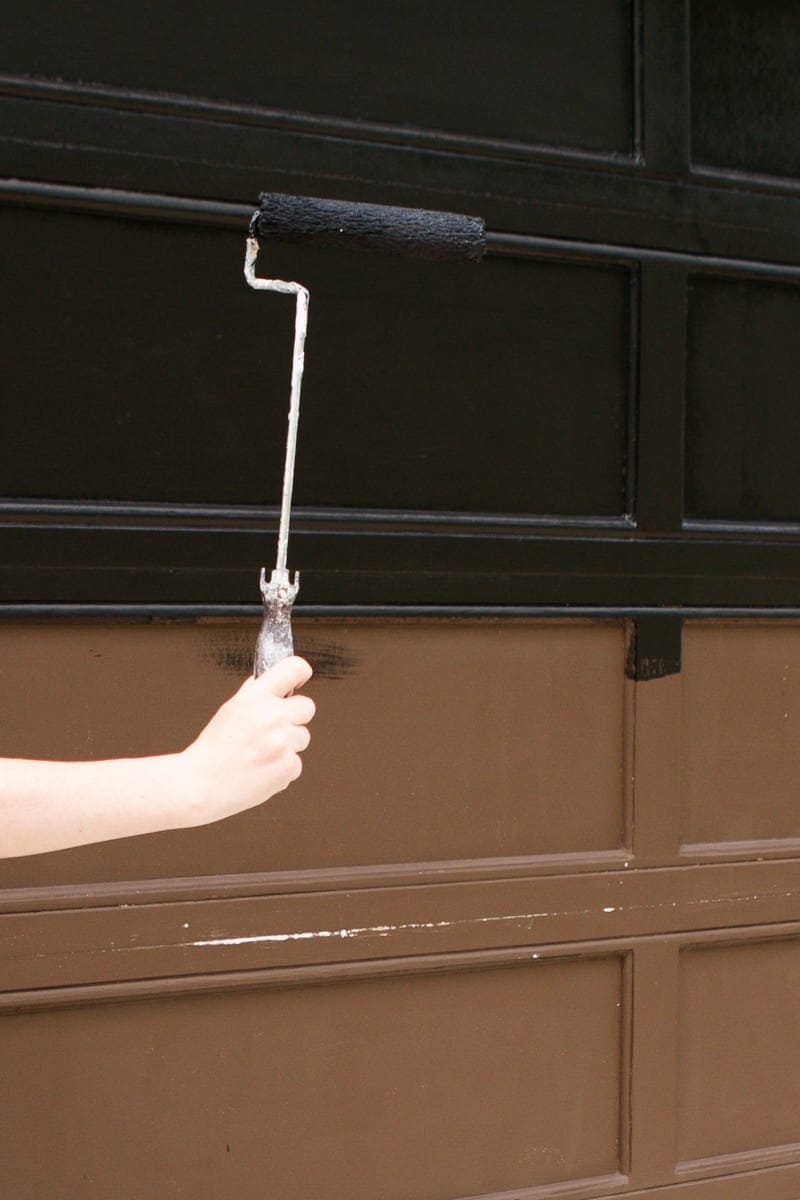
Stir your paint thoroughly. Using a high-quality synthetic bristle brush or a foam roller, apply the first coat of paint. Work in sections, starting from the top and moving down to avoid drips. Maintain a wet edge to prevent lap marks. Allow the first coat to dry completely (check the can for specific times, typically 4–6 hours).
Step 6: Second Coat
Apply a second coat for uniform coverage and durability. This step ensures that no underlying material shows through and provides an extra layer of protection. Let it cure for at least 24 hours before closing the door or touching it extensively.
Common Mistakes to Avoid
Even experienced DIYers can make errors when painting garage doors. Here are the most common pitfalls:
- Skipping the Primer: This leads to peeling and poor adhesion, especially on metal surfaces.
- Painting in Extreme Temperatures: Avoid painting if the temperature is below 50°F (10°C) or above 90°F (32°C). Ideal temperatures are between 60–75°F (15–24°C).
- Ignoring Ventilation: Interior painting releases fumes. Poor ventilation can be hazardous to your health and slow down the drying process.
- Using Interior Paint: Always use exterior-grade paint, even on the inside. Garage interiors experience wider temperature swings than typical indoor rooms, requiring more durable paint formulations.
For more detailed information on paint types and their chemical compositions, you can refer to Wikipedia’s page on Paint.
FAQ Section
1. Can you paint the inside of a garage door the same color as the outside?
Yes, you can. However, many homeowners choose a lighter color for the interior to reflect light and brighten the space. If you prefer a uniform look, matching the colors is perfectly fine and simplifies the buying process.
2. How long does it take to paint the inside of a garage door?
The actual painting time is about 2–3 hours for both coats. However, including preparation, cleaning, drying time for primer, and curing, you should set aside a full weekend. Rushing the drying process can ruin the finish.
3. Do I need to remove the garage door to paint the inside?
No, you do not need to remove the door. In fact, it is safer and easier to paint it while it is closed and locked in place. Just ensure you can reach all panels comfortably. If you have a very tall door, you may need a sturdy ladder.
4. What is the best tool for painting a garage door?
A combination of tools works best. Use a high-quality angled sash brush for edges, corners, and recessed panels. Use a foam roller or a short-nap microfiber roller for large, flat sections to achieve a smooth, streak-free finish.
5. Will painting the inside of my garage door void the warranty?
It depends on the manufacturer. Most warranties cover structural defects and mechanical parts, not cosmetic finishes. However, some manufacturers may have specific guidelines about painting. Check your warranty document or contact the manufacturer before proceeding to be safe.
6. Can I use spray paint for the inside of my garage door?
While possible, spray painting is not recommended for beginners due to the risk of overspray and uneven coverage. It also requires extensive masking of surrounding areas. Brushing and rolling provide better control and a more durable finish for large surfaces like garage doors.
Conclusion
So, can you paint the inside of a garage door? Absolutely. Not only is it possible, but it is also a highly beneficial home improvement project that enhances durability, prevents corrosion, and improves the overall look of your garage. By choosing the right materials, preparing the surface properly, and following a systematic approach, you can achieve a professional-quality finish that lasts for years.
Don’t let the interior of your garage door remain an afterthought. Take charge of your home maintenance today! If you found this guide helpful, please share it with your friends and neighbors on social media who might be tackling their own DIY projects. Happy painting!
Leave a Reply