Introduction
There are few feelings more frustrating than standing in your driveway with groceries in hand, realizing your garage door won’t budge. Whether due to a power outage, a broken spring, or a malfunctioning opener, being locked out of your own garage is a common homeowner nightmare. You might be asking yourself, “Can you open a garage door manually from the outside without causing damage?” The short answer is yes, but it requires knowing the right technique to ensure both your safety and the integrity of your door system.
In this guide, we will walk you through safe, proven methods to access your garage from the exterior. We will cover everything from using the emergency release cord to handling situations where the power is completely dead. By the end of this article, you will have the confidence to handle this stressful situation like a pro.
Understanding the Garage Door Mechanism
Before attempting any manual override, it is crucial to understand how your garage door operates. Most modern residential garage doors in the United States use a torsion or extension spring system connected to an electric opener. When functioning correctly, the motor does the heavy lifting. However, when the motor fails, the door becomes extremely heavy—often weighing between 150 to 400 pounds.
The key component for manual operation is the emergency release mechanism. This is typically a red cord with a handle hanging from the trolley that connects the door to the opener rail. Pulling this cord disengages the door from the motor, allowing it to move freely along the tracks.
Safety Warning: Never attempt to lift a garage door if the springs are broken or snapped. Torsion springs store immense kinetic energy. If they break, the door can become dangerously heavy or fall unexpectedly, causing severe injury. If you suspect spring damage, call a professional immediately.
Method 1: Using the Emergency Release Cord (If Accessible)
The most straightforward way to answer “can you open a garage door manually from the outside” is by using the built-in emergency release. However, this method usually requires you to already be inside the garage or have a way to reach the cord from the outside.
Step-by-Step Guide:
- Locate the Release Handle: Look for a red rope or handle hanging from the center of the garage door opener rail. It is usually located about 6 feet off the ground.
- Pull Down Firmly: Grasp the handle and pull it down firmly towards the floor. You should hear a click, indicating that the trolley has disengaged from the opener carriage.
- Lift the Door: With the door disengaged, place your hands under the bottom edge of the door. Lift slowly and steadily. Keep your back straight and use your legs to lift.
- Secure the Door: Once open, prop the door up with a sturdy ladder or clamp it to the track if you need to keep it open for an extended period. Do not rely on the opener to hold it in place.
Note: If you are locked out and cannot reach the cord, proceed to Method 2.
Method 2: The Top-Side Access Trick (For Locked-Out Scenarios)
If you are outside and the garage door is closed, you cannot reach the emergency release cord. In this scenario, many homeowners wonder if there is a backdoor entry. Some older garage doors have a small lockable hatch on the top panel, but this is rare in modern constructions.
A more common, albeit risky, method involves manipulating the door from the top gap. We do not recommend this for beginners, but it is a known emergency tactic.
- Use a Ladder: Place a sturdy ladder against the garage door.
- Insert a Tool: Use a thin, rigid tool (like a coat hanger or a specialized garage door tool) to reach over the top of the door.
- Hook the Release Cord: Attempt to hook the red emergency release cord and pull it down.
- Lift Manually: Once disengaged, climb down and lift the door as described in Method 1.
Risk Assessment:
- Pros: No damage to locks; uses existing mechanism.
- Cons: Requires height access; difficult to see; risk of falling from ladder.
Method 3: Checking for External Key Locks
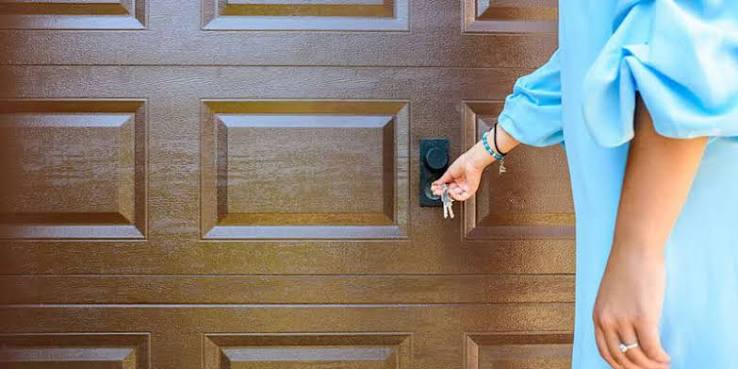
Many US garage doors come equipped with an external key lock, often located on the center panel or the side handle. This is the safest and most secure way to gain entry if you are locked out.
- Locate the Keyhole: Check the center of the door or the side handle for a keyhole.
- Insert Key: Use your original garage door key. Note that this is often different from your house key.
- Turn and Lift: Turn the key to unlock the latch. Then, lift the door manually.
If you have lost this key, you may need to call a locksmith or replace the lock cylinder. Do not force the key, as this can break the internal mechanism.
Comparison: Manual Opening Methods
| Method | Difficulty Level | Risk of Damage | Tools Required | Best For |
|---|---|---|---|---|
| Emergency Cord | Low | None | None | Power outages; Inside access |
| Top-Side Hook | High | Moderate | Ladder, Wire Hanger | Locked out; No key |
| External Key Lock | Low | None | Garage Key | Lost remote; Locked out |
| Professional Help | N/A | None | N/A | Broken springs; Complex issues |
Why You Should Avoid Forced Entry
When people ask, “can you open a garage door manually from the outside,” they sometimes consider prying the door open. This is strongly discouraged.
Garage doors are designed to seal tightly to keep out pests and weather. Forcing the door can:
- Bend the metal tracks, causing misalignment.
- Break the rollers or hinges.
- Damage the weather stripping, leading to energy loss.
- Void your warranty.
According to the International Door Association, improper handling of garage doors is a leading cause of premature system failure. Always prioritize non-destructive methods.
Troubleshooting Common Issues
The Door Is Too Heavy to Lift
If you have disengaged the opener but the door feels impossibly heavy, the springs may be broken or improperly tensioned. Do not attempt to lift it. A single broken torsion spring can make a door weigh twice as much. Call a professional garage door technician.
The Door Sticks Halfway
If the door sticks halfway, check the tracks for debris, rust, or bends. Clean the tracks with a damp cloth and apply a silicone-based lubricant. Avoid WD-40, as it attracts dust and can gum up the mechanism over time.
The Opener Re-engages Automatically
Some modern smart openers will re-engage the trolley after a certain period or when power is restored. If this happens, simply pull the release cord again before attempting to lift the door.
FAQ Section
Q1: Can I open my garage door manually if the power is out?
A: Yes. Most garage door openers have a battery backup or a manual release. If your opener lacks a battery backup, you must use the emergency release cord to disconnect the door from the motor and lift it by hand. Ensure you have a way to secure the door in the open position, as it will not stay up on its own without the motor’s brake.
Q2: Is it safe to leave my garage door partially open manually?
A: No. A manually lifted garage door is not secured by the motor’s braking system. It can slide down unexpectedly if bumped or if the tracks are slippery. Always use a C-clamp on the track below the bottom roller or prop it securely with a sturdy object if you need to leave it open.
Q3: What if I don’t have the external key for my garage door?
A: If you are locked out and do not have the external key, your best option is to try the “Top-Side Access Trick” using a ladder and a wire hanger to pull the emergency release cord. If that fails, contact a local locksmith who specializes in garage doors. Avoid drilling the lock unless absolutely necessary, as replacement parts can be expensive.
Q4: Can I reconnect the garage door to the opener myself?
A: Yes. To reconnect, close the door completely. Then, pull the emergency release cord towards the door (away from the motor) until you hear a click. This re-engages the trolley with the opener carriage. Test the opener by pressing the wall button. If it doesn’t work, you may need to adjust the travel limits on the motor unit.
Q5: Will manually opening the door void my warranty?
A: Generally, no. Using the emergency release mechanism is a standard feature designed for exactly this purpose. However, damage caused by forcing the door, lifting it with broken springs, or improper re-engagement may not be covered. Always follow the manufacturer’s guidelines found in your owner’s manual.
Q6: How often should I test my manual release mechanism?
A: It is recommended to test your emergency release mechanism once every six months. This ensures that the cord is not stuck and that the trolley disengages smoothly. Regular maintenance can prevent surprises during actual emergencies.
Conclusion
Knowing can you open a garage door manually from the outside is an essential skill for every homeowner. Whether you are dealing with a power outage, a lost remote, or a mechanical glitch, understanding your garage door’s emergency features can save you time, money, and stress.
Remember, safety always comes first. Never attempt to lift a door with broken springs, and avoid forced entry that can damage your property. By using the emergency release cord, checking for external keys, or employing careful manual techniques, you can regain access to your garage securely.
If you found this guide helpful, please share it with your friends and family on social media. You never know when they might find themselves locked out on a rainy day! Stay safe and keep your garage accessible.
Leave a Reply