Introduction
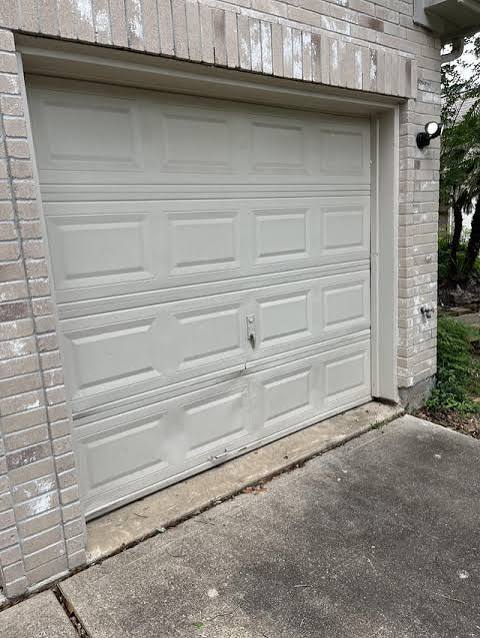
A dented or damaged garage door panel can ruin your home’s curb appeal and potentially compromise security. Many homeowners immediately assume they need to buy an entirely new door, which can cost thousands of dollars. But before you break the bank, you might be asking: Can you just replace the panels on a garage door? The short answer is yes, in many cases, replacing individual sections is a viable, cost-effective solution that restores functionality and aesthetics without the hassle of a full installation.
Why Consider Replacing Individual Panels?
Garage doors are subjected to daily wear and tear, accidental bumps from vehicles, and harsh weather conditions. Often, the damage is localized to one specific section rather than the entire structure. Understanding why panel replacement is a smart choice can help you make an informed decision.
Cost Efficiency
Replacing a single panel is significantly cheaper than installing a new door. While a new garage door installation can range from $1,000 to $4,000 depending on materials and features, a single panel replacement typically costs between $250 and $800. This includes both parts and labor if you hire a professional.
Environmental Impact
From a sustainability perspective, replacing only what is broken reduces waste. Manufacturing a new steel or aluminum door requires significant energy and raw materials. By opting for a repair, you contribute to less landfill waste and a smaller carbon footprint.
Time-Saving
A full garage door replacement is a major project that can take a full day or more, involving the removal of heavy tracks, springs, and the old door. In contrast, panel replacement is a quicker process, often completed in a few hours, minimizing disruption to your daily routine.
When Is Panel Replacement Possible?
Not every damaged door is a candidate for partial repair. Several factors determine whether you can swap out just one section.
1. Availability of Matching Panels
The most critical factor is finding a match. Garage door manufacturers change designs, colors, and textures frequently. If your door is older than 10–15 years, the original manufacturer may no longer produce that specific style.
- Newer Doors (Under 10 Years): High likelihood of finding matching panels.
- Older Doors (Over 15 Years): Low likelihood; custom painting or full replacement may be necessary.
2. Extent of Damage
Panel replacement works best for cosmetic damage or minor structural issues.
- Suitable for Replacement: Dents, scratches, rust spots, or cracks confined to one section.
- Not Suitable: Damage that affects the tracks, rollers, hinges, or the structural integrity of adjacent panels. If the impact bent the vertical tracks, a simple panel swap won’t fix the operational issue.
3. Type of Garage Door
Sectional garage doors (the most common type in the US) are designed with interchangeable panels. However, one-piece “tilt-up” doors or custom wooden carriage-house styles may not allow for easy individual panel replacement due to their integrated construction.
Step-by-Step Guide: How to Replace a Garage Door Panel
If you are handy with tools and understand safety protocols, you might consider a DIY approach. However, garage doors are under high tension, so caution is paramount. Here is a general overview of the process.
Safety Warning: Garage door springs are under extreme tension. Never attempt to adjust or remove torsion springs yourself. Always disconnect the opener and secure the door before starting.
Tools You Will Need
- Socket set and wrenches
- Screwdrivers (Phillips and flathead)
- Pliers
- Ladder
- Assistant (highly recommended for holding panels)
- New replacement panel
The Process
- Disconnect the Opener: Pull the emergency release cord to disconnect the door from the automatic opener. Manually lower the door completely.
- Remove Hardware: Start by removing the hinges and rollers attached to the damaged panel. Keep track of all screws and bolts.
- Detach the Damaged Panel: Carefully lift the panel above the damaged one slightly to relieve pressure. Slide the damaged panel out from the side tracks. Note: You may need to remove the bottom bracket if replacing the lowest panel.
- Install the New Panel: Slide the new panel into the tracks. Ensure it aligns perfectly with the adjacent panels.
- Reattach Hardware: Secure the hinges and rollers back onto the new panel. Tighten all bolts securely but avoid over-tightening, which can strip threads.
- Test Movement: Manually lift and lower the door several times to ensure smooth operation. Check for any rubbing or misalignment.
- Reconnect Opener: Once satisfied with manual operation, reconnect the automatic opener and test the automated cycle.
For more detailed technical specifications on garage door components, you can refer to general engineering principles found on Wikipedia’s Garage Door page.
Pros and Cons: Panel Replacement vs. Full Door Replacement
To help you decide, here is a comparison of both options.
| Feature | Replace Single Panel | Replace Entire Door |
|---|---|---|
| Cost | Low ($250–$800) | High ($1,000–$4,000+) |
| Time | Fast (2–4 hours) | Slow (1–2 days) |
| Aesthetics | Risk of color mismatch | Fresh, uniform look |
| Longevity | Depends on remaining door age | Resets lifespan clock |
| Complexity | Moderate | High (Professional recommended) |
| Best For | Minor damage, newer doors | Old doors, major damage, upgrades |
Common Challenges and Solutions
Even when replacement is possible, you might face hurdles. Here is how to handle them.
Color Mismatch
Sun exposure causes paint to fade over time. A brand-new panel may look brighter than the rest of the door.
- Solution: Paint the entire door after installation. This ensures a uniform finish and allows you to update the color to match your home’s current exterior.
Discontinued Models
If the manufacturer no longer makes your panel, you have two options.
- Solution 1: Search for salvage yards or online marketplaces like eBay for used panels from similar models.
- Solution 2: Consult a professional garage door company. They may have access to obsolete inventory or can suggest a compatible aftermarket part.
Structural Misalignment
If the damaged panel caused the tracks to bend, simply swapping the panel won’t fix the door’s movement.
- Solution: Have a professional inspect and realign the tracks before installing the new panel. Attempting to force a new panel into bent tracks will cause premature wear and potential failure.
FAQ Section
1. How much does it cost to replace one garage door panel?
The cost typically ranges from $250 to $800. This varies based on the material (steel, wood, aluminum), the size of the panel, and whether you hire a professional or do it yourself. Labor usually accounts for about 50% of this cost.
2. Can I replace a garage door panel myself?
Yes, if you have mechanical aptitude and the right tools. However, due to the weight of the panels and the tension in the system, it is often safer to hire a professional. If you choose DIY, never touch the springs.
3. Will replacing one panel affect the warranty?
It depends on your original warranty terms. Some manufacturers void the warranty if non-OEM (Original Equipment Manufacturer) parts are used or if the repair is not done by a certified technician. Check your warranty documentation before proceeding.
4. How long does it take to replace a single panel?
A professional can typically complete the job in 2 to 4 hours. A DIYer might take longer, especially if it’s their first time working with garage door hardware.
5. Is it worth repairing an old garage door?
If the door is over 20 years old and has other issues (noisy operation, poor insulation), full replacement might be more cost-effective in the long run. However, if the rest of the door is in good condition, panel replacement extends its life affordably.
6. Can I upgrade to an insulated panel if my current door is not insulated?
Generally, no. Mixing insulated and non-insulated panels can cause balance issues and uneven weight distribution, leading to operational problems. It is best to replace like-with-like unless you are replacing the entire door.
Conclusion
So, can you just replace the panels on a garage door? Absolutely. For many homeowners, this option offers the perfect balance of cost savings, convenience, and aesthetic restoration. It allows you to fix specific damage without the financial burden of a full replacement.
However, success depends on finding matching parts and ensuring the rest of the door structure is sound. If your door is relatively new and the damage is localized, panel replacement is a smart move. If your door is aged or extensively damaged, investing in a new door might provide better long-term value.
Assess your situation, weigh the pros and cons, and don’t hesitate to consult a professional for an accurate quote. Your garage door is a key part of your home’s security and curb appeal—treating it with care pays off.
Found this guide helpful? Share it with your neighbors on Facebook or Pinterest to help them save money on their next home repair!
Leave a Reply