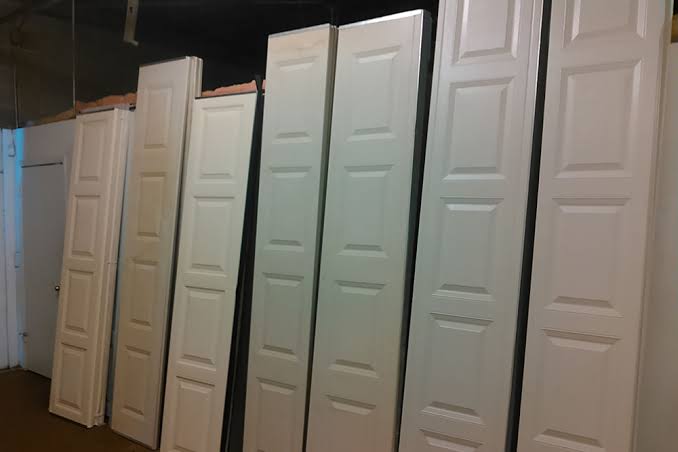
Have you ever noticed a dent, crack, or unsightly damage on just one section of your garage door? It is frustrating because the rest of the door works perfectly fine, yet that one blemish ruins the curb appeal of your entire home. Many homeowners ask themselves, “Can you buy replacement panels for a garage door?” The short answer is yes, but the process involves more than just picking a part off a shelf.
In this guide, we will break down everything you need to know about replacing individual garage door sections. We will cover compatibility issues, cost comparisons, and whether you should tackle this project yourself or call a professional. By the end, you will have a clear roadmap to restoring your garage door’s appearance and function without necessarily replacing the entire unit.
Understanding Garage Door Panel Compatibility
Before you rush to the hardware store, it is crucial to understand that garage doors are not universal. Unlike standard light bulbs or batteries, garage door panels are highly specific to the manufacturer, model, and year of production.
Why You Cannot Mix and Match Brands
Each manufacturer uses unique dimensions, hinge placements, and track systems. For example, a panel from a Chamberlain door will not fit a Clopay or Amarr door. Even within the same brand, designs change frequently. A panel from a 2015 model may not align correctly with a 2023 model due to subtle changes in thickness or insulation profiles.
To find the right panel, you must locate the manufacturer’s label. This is usually found on the back of one of the lower sections or on the side of the door tracks. You will need:
- The Manufacturer Name
- The Model Number
- The Serial Number
- The Year of Manufacture
Without this information, buying a replacement panel is essentially a gamble. If you cannot find the label, take clear photos of the hinge holes, the panel design (raised vs. flat), and the overall color texture. Send these to a local dealer or the manufacturer’s customer support for identification.
Cost Breakdown: Panel Replacement vs. Full Door Replacement
One of the primary reasons homeowners consider panel replacement is cost savings. However, it is essential to weigh the immediate savings against long-term value.
| Feature | Single Panel Replacement | Full Door Replacement |
|---|---|---|
| Average Cost | $150 – $400 per panel + labor | $800 – $2,500+ total |
| Time Required | 2–4 hours | 4–8 hours |
| Aesthetic Result | May show slight color mismatch | Uniform, brand-new look |
| Insulation Value | Retains existing insulation | Opportunity to upgrade R-value |
| Warranty | Often limited to the panel only | Full system warranty (1–5 years) |
When Is Panel Replacement Worth It?
Replacing a single panel makes financial sense if:
- The Damage Is Isolated: Only one section is dented or cracked, and the rest of the door is in excellent condition.
- The Door Is Relatively New: If your door is less than 10 years old, finding a matching panel is easier, and the remaining panels likely have plenty of life left.
- Budget Constraints: You need a quick fix to improve curb appeal before selling your home or hosting an event.
However, if your door is older than 15 years, has multiple damaged sections, or suffers from frequent mechanical issues, a full replacement is often more cost-effective in the long run. Older panels may be discontinued, forcing you to pay premium prices for custom orders or settle for a poor match.
Step-by-Step Guide to Replacing a Garage Door Panel
If you are handy with tools and have determined that a panel replacement is viable, you can attempt this as a DIY project. However, please note that garage doors are under high tension and can be dangerous. If you are unsure, always hire a professional.
Safety Warning: Always disconnect the garage door opener and secure the door in the open position using locking pliers on the tracks below the bottom roller before starting.
Tools You Will Need
- Socket set and wrenches
- Screwdrivers (flathead and Phillips)
- Locking pliers (Vise-Grips)
- A helper (highly recommended)
- Ladder
- Safety glasses and gloves
The Installation Process
- Secure the Door: Open the door completely and clamp the tracks on both sides just below the bottom rollers. This prevents the door from falling while you work.
- Remove the Damaged Panel: Start by unscrewing the hinges that connect the damaged panel to the panel above and below it. Carefully remove the rollers from the track. You may need to gently tap them out with a rubber mallet.
- Prepare the New Panel: Unbox the replacement panel and compare it side-by-side with the adjacent panels. Ensure the hinge holes align perfectly. If the panel comes with pre-installed hinges, great. If not, transfer the hinges from the old panel to the new one.
- Install the New Panel: Lift the new panel into place. This is where a helper is invaluable. Insert the rollers into the track and align the hinge holes with the adjacent panels.
- Reattach Hinges: Secure the hinges with bolts. Do not overtighten initially; leave some wiggle room to ensure alignment. Once all hinges are in place, tighten them securely.
- Test the Movement: Remove the locking pliers from the tracks. Manually lift and lower the door to ensure it moves smoothly without binding or scraping. Check that the gaps between panels are even.
- Reconnect the Opener: Once satisfied with the manual operation, reconnect the garage door opener and test the automatic cycle.
Common Challenges and How to Overcome Them
Even with the right panel, you may encounter hurdles during the replacement process.
Color Mismatch Issues
Sun exposure causes garage doors to fade over time. A brand-new panel will likely look brighter than the surrounding older panels. To mitigate this:
- Paint the Entire Door: The most effective solution is to paint the entire door after installing the new panel. This ensures a uniform finish.
- Weather the New Panel: Some homeowners leave the new panel exposed to the sun for a few weeks to let it fade naturally before painting, though this is less reliable.
Discontinued Models
If your door is older, the manufacturer may no longer produce the exact panel. In this case:
- Contact specialized salvage yards that deal in used garage door parts.
- Consider replacing the entire door if a match cannot be found, as a mismatched panel can negatively impact your home’s resale value.
Structural Integrity Concerns
If the damage to the panel was caused by a significant impact (like a car collision), inspect the surrounding panels and tracks for hidden damage. Bent tracks or misaligned hinges can cause the new panel to wear out prematurely or operate noisily.
FAQ Section
1. Can I replace just one panel on an insulated garage door?
Yes, you can replace a single panel on an insulated door. However, ensure the new panel has the same insulation type (polystyrene or polyurethane) and R-value as the existing ones. If the insulation differs, you may notice temperature variations or condensation issues in that specific section.
2. How long does it take to replace a garage door panel?
For a professional, the job typically takes 2 to 3 hours. For a DIYer with moderate experience, it may take 4 to 6 hours, especially if alignment adjustments are needed. Factors like rusted bolts or difficult-to-reach hinges can extend the time.
3. Is it safe to replace a garage door panel myself?
While it is possible, it carries risks. Garage doors are heavy and under significant spring tension. If you are not comfortable working with heavy objects or do not have a helper, it is safer to hire a professional. Never attempt to adjust the torsion springs yourself, as they can cause severe injury if handled incorrectly.
4. Will replacing a panel void my warranty?
It depends on the manufacturer and the original warranty terms. Some warranties cover the entire system, and unauthorized repairs might void it. However, if you use genuine OEM (Original Equipment Manufacturer) parts and follow installation guidelines, many manufacturers will honor the warranty for the remaining components. Always check your warranty documentation first.
5. Where can I buy replacement garage door panels?
You can purchase panels directly from the manufacturer’s authorized dealers, local garage door service companies, or specialized online retailers. Avoid generic big-box stores unless they carry specific brands compatible with your door. Providing your model and serial number is essential for a correct order.
Conclusion
So, can you buy replacement panels for a garage door? Absolutely. It is a viable, cost-effective solution for extending the life of your current door and improving your home’s appearance. By identifying the correct model, weighing the costs against a full replacement, and following proper safety protocols, you can successfully restore your garage door.
Remember, while DIY is an option, professional installation ensures precision and safety, particularly for complex insulated doors. If you decide to go the DIY route, take your time with alignment and consider painting the entire door for a seamless finish.
Did you find this guide helpful? Share it with your friends on social media who might be struggling with a dented garage door! Let’s help everyone keep their homes looking their best.
Leave a Reply