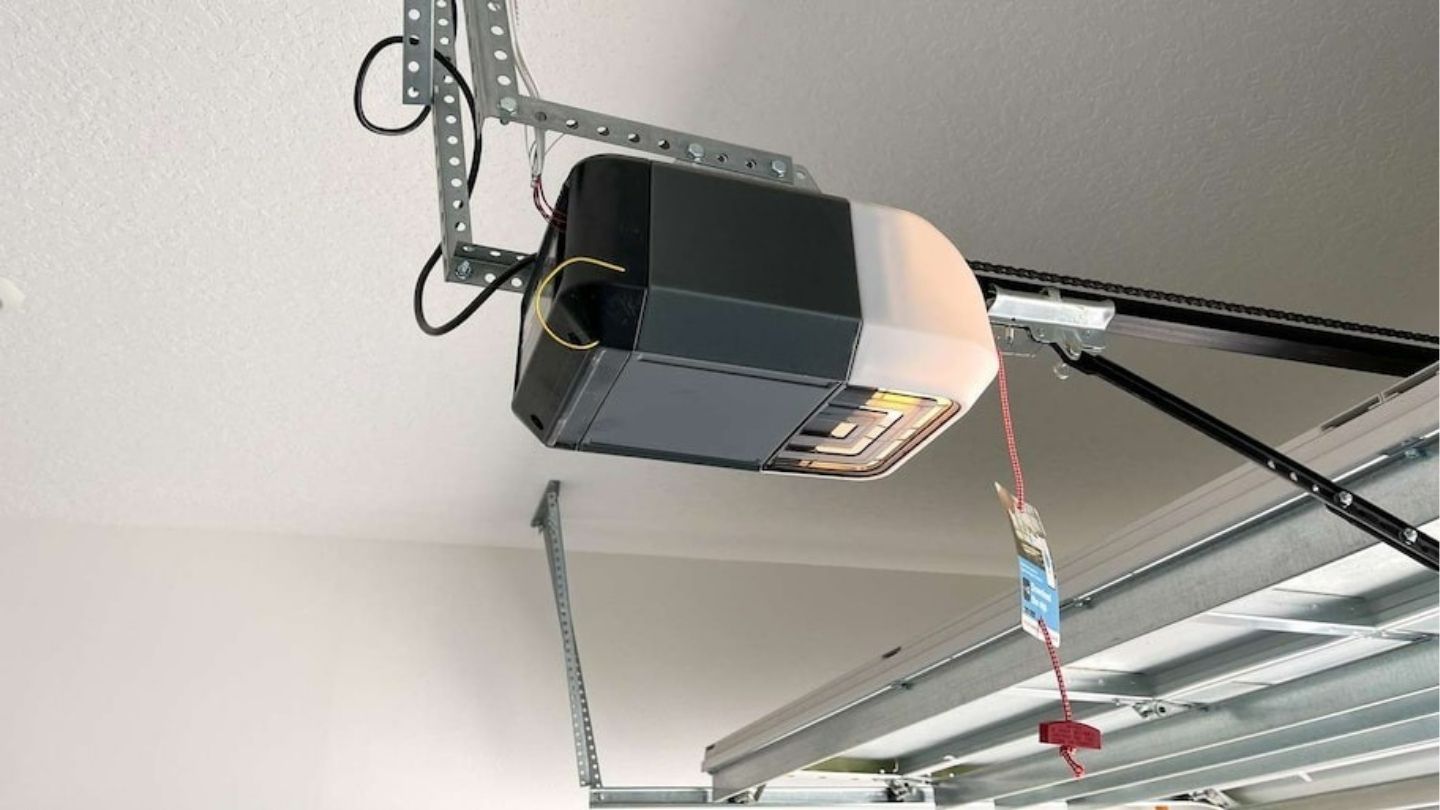
Are you tired of your old, struggling garage door motor and wondering if an upgrade is finally necessary to save your sanity? Choosing between a 3/4 Hp vs 1 1/4 Hp garage door opener can feel overwhelming, especially when you just want your car to get out of the driveway smoothly without a massive repair bill. Don’t worry, we are here to help you make the right choice for your home without the technical headache.
3/4 Hp Vs 1 1/4 Hp Garage Door Opener: What is the Actual Difference?
When comparing a 3/4 Hp vs 1 1/4 Hp garage door opener, the primary difference lies in the raw lifting power, motor speed, and internal durability. To understand this, we need to look at what horsepower actually means. Horsepower is a unit of measurement used to quantify the rate at which work is done by the motor.
In simple terms, a 1 1/4 HP motor works faster and handles heavier physical loads than a 3/4 HP motor. However, more power does not automatically mean it is the right choice for your specific home. A higher horsepower motor will not make a poorly balanced door lift magically; it will just force the door open faster. Therefore, matching the motor to your door’s physical characteristics is the real secret to a long-lasting setup.
How Much Weight Can a 3/4 HP Garage Door Opener Lift?
A standard 3/4 HP garage door opener is specifically designed to lift a single-car or a standard double-car sectional door. Typically, it can comfortably handle residential doors weighing up to 250 pounds.
If you have a standard two-car garage with a steel or aluminum sectional door, a 3/4 HP unit provides more than enough torque. It operates smoothly, puts less mechanical strain on the door springs, and is highly energy-efficient. For 90% of modern suburban homes with standard insulated steel doors, this is the gold standard for reliability and cost-effectiveness.
When Should You Upgrade to a 1 1/4 HP Garage Door Opener?
You should strongly consider upgrading to a 1 1/4 HP motor if you have a significantly heavier door. This includes solid wood carriage-house doors, custom oversized doors, or heavily insulated double doors with extra windows.
A 1 1/4 HP opener can effortlessly handle doors weighing up to 350 pounds or more. Furthermore, if you use your garage door multiple times a day—such as running a home business or having a large family—the higher horsepower reduces wear and tear on the internal gears. This heavy-duty capacity extends the motor’s lifespan significantly, preventing premature burnout.
3/4 HP vs 1 1/4 HP Garage Door Opener: Pros and Cons
To make your decision easier, let’s break down the advantages and disadvantages of each motor size in a quick comparison.
3/4 HP Garage Door Opener
Pros:
- Budget-Friendly: More affordable upfront cost for both the unit and installation.
- Perfect Fit: Ideal for standard single and double residential sectional doors.
- Energy Efficient: Consumes less electricity and operates quietly.
Cons:
- Weight Limits: Struggles or burns out if used on heavy solid wood doors.
- Lifespan: May wear out faster if subjected to high-frequency daily use.
1 1/4 HP Garage Door Opener
Pros:
- Heavy Lifting: Effortlessly lifts heavy, oversized, or solid wood doors.
- Speed: Features faster opening and closing speeds for quick in-and-out access.
- Durability: Built with stronger internal gears for a longer motor lifespan.
Cons:
- Higher Cost: Comes with a higher initial purchase price.
- Noise: Can be slightly louder during operation due to the more powerful motor engaging.
How to Choose the Right Horsepower for Your Garage Door
Making the right choice doesn’t have to be a guessing game. Follow these 3 concrete steps to pick the perfect motor for your home:
- Weigh and Measure Your Door: Check the manufacturer’s manual or measure your door dimensions. A standard 16×7 ft steel door weighs about 130–150 lbs, while a wood door of the same size can easily weigh 250+ lbs. If your door is over 250 lbs, go with 1 1/4 HP.
- Count Your Daily Cycles: Track how many times you open the door daily. If it is less than 3 times a day, a 3/4 HP is perfectly sufficient. If you operate it 5 or more times a day, upgrade to 1 1/4 HP to protect the motor.
- Check the Spring Tension: Ensure your torsion springs are properly balanced by a professional. A well-balanced door requires significantly less horsepower to operate. Pro tip: Disconnect the opener and lift the door manually. If it feels incredibly heavy, fix the springs before buying a new motor!
Frequently Asked Questions (FAQ)
Q1: Is a 3/4 HP garage door opener enough for a standard double door? A: Yes, absolutely. A 3/4 HP opener is more than enough for a standard 16×7 ft double sectional door made of steel or aluminum, provided the door weighs under 250 pounds and the springs are properly balanced.
Q2: Does a 1 1/4 HP garage door opener use a lot more electricity? A: The difference in electricity consumption is negligible. While a 1 1/4 HP motor draws more power when actively running, it runs for a shorter duration because it lifts the door faster. Over a year, the cost difference on your energy bill will be less than a few dollars.
Q3: Can I use a 1 1/4 HP opener on a lightweight aluminum door? A: You technically can, but it is not recommended. Using an oversized motor on a lightweight door can cause the door to open too aggressively, putting unnecessary stress on the hinges, rollers, and springs. It is always best to match the motor to the door’s weight.
Q4: Which garage door opener is quieter, 3/4 HP or 1 1/4 HP? A: Generally, a 3/4 HP motor is slightly quieter because it doesn’t generate as much internal vibration and force. However, the drive type matters more than horsepower. A belt-drive opener (regardless of HP) will always be significantly quieter than a chain-drive opener.
Conclusion
Choosing between a 3/4 Hp vs 1 1/4 Hp garage door opener ultimately comes down to your door’s weight and how often you use it. For most standard homes with steel doors, the 3/4 HP is the perfect, cost-effective workhorse. However, if you have a heavy wooden door or use your garage constantly, investing in a 1 1/4 HP motor will save you from premature repairs.
By matching the right horsepower to your specific needs, you ensure smooth, quiet, and reliable operation for years to come.
Leave a Reply