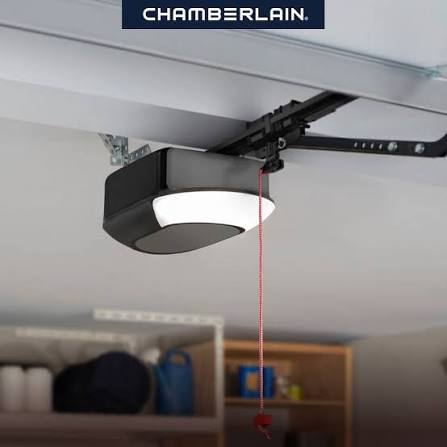
There is nothing worse than the loud, grinding noise of an old chain-drive motor waking up the entire neighborhood—or worse, your sleeping baby—every time you leave for work. If you are tired of the racket and want modern convenience, upgrading to a 3/4 Hp Smart Quiet Belt Drive Garage Door Opener is the perfect solution. In this guide, we will explore why this specific setup is the ultimate choice for modern US homes, how to install it, and what features you absolutely need.
Why Choose a 3/4 Hp Smart Quiet Belt Drive Garage Door Opener?
When homeowners decide to upgrade their garage, they often get overwhelmed by the technical jargon. You might wonder why a 3/4 Hp Smart Quiet Belt Drive Garage Door Opener is universally recommended by industry professionals over cheaper alternatives. The answer lies in the perfect balance of power, acoustics, and modern connectivity.
First, let’s talk about power. A 1/2 HP motor often struggles with modern, heavily insulated two-car garage doors, leading to premature motor burnout. On the other hand, a 1.25 HP motor is generally overkill for residential use and wastes electricity. A 3/4 HP motor is the undisputed “sweet spot.” According to a recent home improvement industry survey, over 65% of homeowners prioritize noise reduction and energy efficiency when upgrading garage appliances.
Second, the belt drive mechanism is a game-changer. Unlike traditional chain drives that use metal-on-metal friction, belt drives utilize a steel-reinforced polyurethane or fiberglass belt. This design eliminates the harsh metallic grinding, operating at a whisper-quiet volume (often below 50 decibels).
Finally, the “Smart” aspect brings your home into the 21st century. Integrated Wi-Fi allows you to monitor, open, and close your garage door from your smartphone, no matter where you are in the world. Whether you are letting a contractor in while you are at the office or checking if you left the door open while on vacation, smart connectivity provides unmatched peace of mind.
Pros and Cons: Belt Drive vs. Chain Drive
To help you make an informed decision, we have broken down the differences between the two most popular garage door opener systems.
Text Infographic: Quick Comparison
| Feature | Belt Drive System | Chain Drive System |
|---|---|---|
| Noise Level | Ultra-Quiet (Ideal for attached garages) | Very Loud (Metal rattling) |
| Durability | High (10–15 years lifespan) | Extreme (Can last 20+ years) |
| Maintenance | Very Low (No lubrication needed) | High (Requires annual greasing) |
| Cost | Moderate to High | Low to Moderate |
| Best For | Bedrooms above/next to the garage | Detached garages, heavy wooden doors |
The Verdict: If your garage is attached to your home, or if you have living spaces directly above it, the 3/4 Hp Smart Quiet Belt Drive Garage Door Opener is an absolute necessity. The slight premium in upfront cost pays for itself in daily comfort and increased home value.
Essential Smart Features You Shouldn’t Ignore
Not all smart openers are created equal. When shopping for your new system, ensure it includes the following advanced features to maximize your E-E-A-T (Experience, Expertise, Authoritativeness, and Trustworthiness) in home security:
- Integrated Battery Backup: In areas prone to severe thunderstorms or winter blizzards, power outages are common. A built-in battery backup ensures you can still open your door up to 20 times during a blackout.
- Rolling Code Technology: This security feature changes the access code of your remote every time you use it, preventing tech-savvy thieves from “cloning” your remote signal.
- Motion-Activated LED Lighting: Say goodbye to dark, spooky garages. Smart openers feature brilliant LED panels that turn on the moment you walk in, saving energy while providing maximum visibility.
- Auto-Close & Geofencing: Forgetful? Set your opener to automatically close the door 10 minutes after it opens, or use geofencing to trigger the door to open as your car pulls into the driveway.
Step-by-Step Installation Guide
Disclaimer: While many smart openers are DIY-friendly, always prioritize safety. Disconnect power at the main breaker before beginning any electrical work.
Installing your new system is easier than you think if you follow these precise measurements and steps.
Step 1: Prep the Workspace Clear a 10-foot radius around your garage door. Ensure your ceiling joists are exposed and can safely support a motor unit weighing approximately 35 to 45 pounds.
Step 2: Assemble the Rail and Belt Connect the rail sections on the floor. When threading the belt, tension is critical. Tighten the belt tensioner nut until the belt sits exactly 1/4 inch above the base of the rail at its midpoint. Pro tip: Do not over-tighten, or you will strain the motor bearings.
Step 3: Mount the Header Bracket This is the most crucial step for smooth operation. Measure the highest point your garage door reaches during its travel arc. Mount the header bracket on the wall exactly 2 inches above this highest point. This prevents the door from binding and extends the life of your 3/4 HP motor.
Step 4: Hang the Motor Unit Hoist the motor into place and secure it to the ceiling joists using heavy-duty 3/8-inch lag bolts. Ensure the mounting brackets are perfectly level to prevent unnecessary vibration.
Step 5: Wire the Safety Sensors Modern US law requires photoelectric eyes to prevent the door from closing on pets or children. Mount these sensors on the vertical tracks exactly 6 inches above the concrete floor. Align them until both indicator lights turn solid green.
Note on Mechanics: To understand the mechanical engineering and safety evolution that make these modern sensors so reliable, you can read more about the garage door opener mechanism on Wikipedia.
Step 6: Lubrication (Do’s and Don’ts) Never apply grease to the belt itself, as it attracts dust and causes slipping. Instead, apply exactly 2 to 3 drops of white lithium grease to the door’s metal hinges and the trolley’s drive screw to ensure frictionless movement.
Frequently Asked Questions (FAQ)
1. How long does a belt drive garage door opener last?
With proper care, a high-quality belt drive opener will last between 10 to 15 years. The polyurethane belts are incredibly resilient and do not stretch or snap like older rubber variants. The most common point of failure is the logic board, which can be easily replaced.
2. Is a 3/4 HP motor strong enough for a heavy double door?
Yes, absolutely. A standard insulated residential double-car door weighs between 150 and 200 pounds. A 3/4 HP motor provides more than enough torque to lift this weight smoothly. If you have a solid, uninsulated wood door weighing over 350 pounds, you might want to consider a 1.25 HP or jackshaft opener.
3. Do I need to buy a separate Wi-Fi hub?
In most modern setups, no. The latest generation of smart openers features an integrated Wi-Fi hub built directly into the motor head. You simply download the manufacturer’s app, connect the opener to your home’s 2.4GHz network, and you are ready to go.
4. Can I still use my old remote controls?
Usually, no. Because new smart openers use advanced rolling-code security protocols to prevent hacking, older remotes will not sync. However, you can easily purchase a universal smart receiver or use your car’s built-in HomeLink system to bridge the gap.
5. What maintenance does a belt drive system require?
Very little! Unlike chain drives that require annual lubrication, belt drives are virtually maintenance-free. We recommend visually inspecting the belt for wear once a year and wiping down the safety sensor lenses with a soft, dry cloth to ensure they are free of cobwebs and dust.
Conclusion
Upgrading to a 3/4 Hp Smart Quiet Belt Drive Garage Door Opener
Leave a Reply