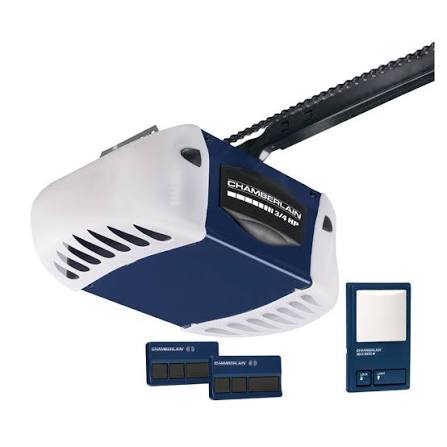
Choosing the right garage door opener can feel overwhelming, especially when you’re stuck deciding between 1/2, 3/4, or 1 HP garage door opener models. You want something reliable, quiet, and powerful enough to handle your specific door without overspending on features you don’t need. This guide breaks down exactly what each horsepower rating means and helps you make the smartest choice for your home.
What Does Horsepower Mean in a Garage Door Opener?
Before diving into comparisons, it’s essential to understand what “horsepower” (HP) actually measures in a garage door opener. Unlike cars, where HP indicates engine power, in garage door openers, it refers to the torque and lifting capacity of the motor.
The horsepower rating tells you how much weight the opener can comfortably lift and how quickly it can do so. However, it’s not just about raw power—modern openers also differ in drive types (chain, belt, screw), noise levels, durability, and smart features.
According to industry standards, most residential garage doors weigh between 150 and 400 pounds, depending on material (steel, wood, aluminum) and size (single vs. double car). Your opener’s HP should match this weight to ensure smooth, long-lasting operation.
For more technical details on motor specifications, you can refer to Wikipedia’s article on electric motors.
1/2 HP Garage Door Opener: Best for Light-Duty Use
Who Should Choose a 1/2 HP Opener?
A 1/2 HP garage door opener is the most common choice for standard single-car garage doors made of lightweight materials like aluminum or thin steel. If your door weighs under 200 pounds and you only use it a few times a day, this model is likely sufficient.
Ideal for:
- Single-car garages
- Lightweight doors (aluminum, thin steel)
- Budget-conscious homeowners
- Moderate climate areas (no extreme wind or snow load)
Pros:
- Most affordable option
- Widely available
- Easy to install and maintain
- Lower energy consumption
Cons:
- Struggles with heavier doors
- May wear out faster under frequent use
- Less suitable for double-car or insulated doors
If you live in a mild climate and have a basic garage setup, a 1/2 HP opener offers excellent value without unnecessary complexity.
3/4 HP Garage Door Opener: The Sweet Spot for Most Homes
Why Is 3/4 HP So Popular?
The 3/4 HP garage door opener strikes a perfect balance between power, price, and performance. It’s the go-to choice for most homeowners with double-car garages or slightly heavier doors.
Ideal for:
- Double-car garages
- Doors weighing 200–350 pounds
- Insulated or wooden doors
- Frequent daily use (3+ times per day)
- Areas with moderate wind or weather conditions
Pros:
- Handles heavier doors with ease
- Longer lifespan than 1/2 HP models
- Quieter operation (especially with belt-drive systems)
- Better resale value for homes
Cons:
- Slightly higher upfront cost
- May be overkill for very light doors
If you’re unsure which horsepower to choose, 3/4 HP is the safest bet for most American households. It provides enough power for everyday use without breaking the bank.
1 HP Garage Door Opener: Heavy-Duty Power for Demanding Needs
When Do You Need 1 HP?
A 1 HP garage door opener is designed for heavy-duty applications. If you have an oversized door, solid wood construction, or live in an area with extreme weather, this is the model you need.
Ideal for:
- Extra-large or custom garage doors
- Doors weighing 350+ pounds
- Solid wood or heavily insulated doors
- High-frequency commercial or residential use
- Regions with high winds, heavy snow, or temperature extremes
Pros:
- Maximum lifting power
- Exceptional durability
- Smoothest operation for heavy doors
- Best for long-term investment
Cons:
- Highest price point
- Overpowered for standard doors
- Larger motor may require more maintenance
While a 1 HP opener is impressive, it’s important not to overspend if your door doesn’t require that much power. Using an overly powerful motor on a light door can lead to unnecessary wear and tear.
Quick Comparison: 1/2 vs 3/4 vs 1 HP Garage Door Openers
| Feature | 1/2 HP | 3/4 HP | 1 HP |
|---|---|---|---|
| Best For | Light single doors | Standard double doors | Heavy/custom doors |
| Door Weight | Under 200 lbs | 200–350 lbs | 350+ lbs |
| Price Range | $150–$250 | $250–$400 | $400–$600+ |
| Noise Level | Moderate | Quiet (belt-drive) | Very quiet |
| Lifespan | 7–10 years | 10–15 years | 15+ years |
| Energy Use | Low | Moderate | Higher |
How to Determine the Right HP for Your Garage Door
Not sure which horsepower fits your needs? Follow these simple steps:
- Weigh Your Door: Use a bathroom scale or consult your door’s manual. Most manufacturers list the weight in the specifications.
- Check Door Material: Steel doors are lighter; wood and insulated doors are heavier.
- Assess Usage Frequency: If you open/close your door 5+ times daily, opt for 3/4 HP or higher.
- Consider Climate: Windy or snowy areas benefit from extra power.
- Measure Door Size: Standard single doors (8×7 ft) work with 1/2 HP. Double doors (16×7 ft) need 3/4 HP or more.
If you’re still uncertain, consult a professional installer. They can assess your door’s condition and recommend the best opener for your specific setup.
Common Mistakes to Avoid When Choosing an Opener
- Underestimating Door Weight: Always err on the side of caution. A slightly more powerful opener lasts longer.
- Ignoring Drive Type: Chain drives are noisy but durable; belt drives are quiet but pricier.
- Skipping Safety Features: Look for auto-reverse sensors and battery backup options.
- Buying Based on Price Alone: Cheap openers may save money upfront but cost more in repairs later.
FAQ: Your Questions About Garage Door Opener Horsepower Answered
Q1: Can I upgrade from a 1/2 HP to a 3/4 HP opener later?
Yes, you can upgrade, but it may require adjusting the mounting brackets and reprogramming remote controls. It’s often easier to choose the right HP from the start.
Q2: Does higher horsepower mean faster opening?
Not necessarily. Speed depends more on the gear ratio and motor design. Higher HP primarily means better handling of heavy loads.
Q3: Are belt-drive openers quieter than chain-drive?
Yes, belt-drive openers are significantly quieter because they use rubber belts instead of metal chains. They’re ideal for attached garages.
Q4: How long does a garage door opener last?
With proper maintenance, a 1/2 HP opener lasts 7–10 years, while 3/4 HP and 1 HP models can last 10–15+ years.
Q5: Do I need a battery backup?
If you live in an area prone to power outages, a battery backup ensures your door still operates during emergencies. Many modern openers offer this as an add-on.
Q6: Is smart connectivity worth it?
Smart openers let you control your door via smartphone, receive alerts, and integrate with home automation systems. It’s a convenient feature for tech-savvy homeowners.
Final Thoughts: Choose Wisely for Long-Term Satisfaction
Selecting the right 1/2, 3/4, or 1 HP garage door opener isn’t just about power—it’s about matching your specific needs. For most homeowners, a 3/4 HP opener offers the best combination of performance, durability, and value. However, if you have a lightweight door, a 1/2 HP model saves money. For heavy-duty needs, invest in a 1 HP opener for peace of mind.
Remember, a well-chosen opener enhances convenience, safety, and even your home’s curb appeal. Don’t rush the decision—take the time to assess your door’s weight, usage patterns, and local climate.
Found this guide helpful? Share it with friends or neighbors who are shopping for a new garage door opener! Your insight could save them from making a costly mistake. 🚗🏠
Leave a Reply