Dealing with a garage door that won’t shut completely can be frustrating—and even a little stressful. If you’re asking, Why My Garage Door Won’T Close All The Way, you’re not alone. This is one of the most common garage door issues, and the good news is that most causes are easy to diagnose and fix.
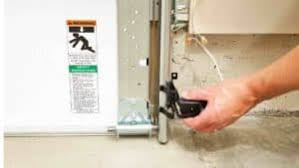
Why My Garage Door Won’t Close All The Way (Quick Answer)
Your garage door may not close fully due to:
- Misaligned safety sensors
- Obstructions in the track
- Incorrect limit settings
- Worn-out springs or cables
- Remote or opener issues
Read too: How Do You Change Code On Garage Door Keypad Fast?
👉 Most problems can be fixed in 10–30 minutes.
How Garage Door Closing Systems Work
Garage doors rely on a combination of mechanical and electronic systems.
Key Components
- Safety sensors
- Tracks and rollers
- Springs and cables
- Garage door opener
These systems work together to ensure safe operation. For more technical background, see this explanation of garage door systems.
Are the Safety Sensors Misaligned?
This is the #1 reason garage doors won’t close.
How Sensors Work
- Located near the bottom of the door tracks
- Emit an invisible beam
- If interrupted, the door won’t close
Signs of Sensor Problems
- Blinking lights
- Door starts closing, then reverses
- Door won’t close at all
How To Fix It
- Clean sensor lenses with a soft cloth
- Adjust alignment until lights are steady
- Tighten mounting brackets
Is There Something Blocking the Door?
Even small obstructions can prevent closing.
Common Blockages
- Dirt or debris
- Tools or objects
- Leaves or small stones
Fix Steps
- Inspect tracks and floor area
- Remove any objects
- Test door again
Are the Close Limit Settings Incorrect?
Limit settings tell the door how far to travel.
Symptoms
- Door stops before reaching ground
- Door reverses suddenly
How To Adjust
- Locate limit screws on opener
- Turn “down” limit slightly
- Test after each adjustment
👉 Make small changes (¼ turn at a time).
Could the Garage Door Track Be Misaligned?
Tracks guide the door’s movement.
Warning Signs
- Door jerks or stops midway
- Visible bending or gaps
Fix Tips
- Tighten loose bolts
- Gently tap track into alignment
- Call a professional if severely bent
Are Springs or Cables Damaged?
These components handle the door’s weight.
Signs of Damage
- Loud snapping sound
- Door feels very heavy
- Uneven closing
⚠️ Important: Do NOT attempt to fix springs yourself—they are under high tension.
Is the Garage Door Opener the Problem?
Sometimes the issue is electronic.
Possible Causes
- Faulty remote
- Weak batteries
- Motor issues
Fix Steps
- Replace remote batteries
- Reset opener system
- Try wall control instead
Quick Troubleshooting Checklist
Step-by-Step Diagnosis
- Check sensors
- Remove obstructions
- Inspect tracks
- Adjust limit settings
- Test opener
Pros vs Cons of DIY Fixes
Advantages
- ✔ Saves money
- ✔ Quick solutions
- ✔ No waiting for technician
Disadvantages
- ✘ Limited for complex issues
- ✘ Risk with mechanical parts
Real-Life Example
A homeowner’s garage door wouldn’t close:
- Issue: Misaligned sensors
- Fix time: 5 minutes
- Result: Door worked perfectly again
How Long Does It Take to Fix?
| Problem Type | Time Required |
|---|---|
| Sensor alignment | 5–10 minutes |
| Obstruction removal | 5 minutes |
| Limit adjustment | 10–15 minutes |
| Mechanical repair | 30–60 minutes |
Preventive Maintenance Tips
Keep Your Door Working Smoothly
- Clean sensors monthly
- Inspect tracks regularly
- Lubricate moving parts
- Test door balance
Common Mistakes to Avoid
- ❌ Ignoring blinking sensor lights
- ❌ Forcing the door closed
- ❌ Over-adjusting limit screws
- ❌ Attempting spring repairs
When Should You Call a Professional?
Call for Help If:
- Springs are broken
- Door is off-track
- Motor is malfunctioning
- Problem persists after troubleshooting
FAQ: Why My Garage Door Won’t Close All The Way
1. Why does my garage door start to close then reverse?
Usually due to sensor misalignment or obstruction.
2. Can weather affect garage door closing?
Yes, dirt, ice, or debris can block sensors or tracks.
3. How do I know if my sensors are bad?
Blinking lights or no response indicate sensor issues.
4. Is it safe to force the door closed?
No, it can damage the system or cause injury.
5. Why does my garage door stop before hitting the ground?
Limit settings may need adjustment.
6. Can I fix garage door issues myself?
Yes, for minor problems—but avoid spring repairs.
Conclusion
So, Why My Garage Door Won’T Close All The Way? In most cases, it’s due to sensor issues, obstructions, or simple adjustments. The good news is that many of these problems can be fixed quickly without professional help.
By following the steps in this guide, you can troubleshoot effectively, save money, and restore your garage door’s functionality. Just remember to prioritize safety and know when to call an expert.
If you found this guide helpful, share it on social media and help others solve their garage door problems with ease!
Leave a Reply