Few things are more frustrating than pressing your garage remote—only to see the door stop halfway or reverse. If you’re asking Why Is My Garage Door Not Closing All The Way, you’re dealing with one of the most common garage door issues homeowners face. The good news? Most causes are easy to identify and fix without calling a professional.
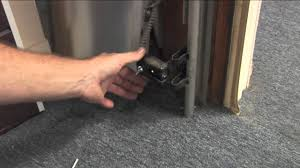
Why Is My Garage Door Not Closing All The Way?
If your garage door won’t fully close, it’s usually due to safety features, alignment issues, or mechanical problems.
The Most Common Causes:
- Misaligned safety sensors
- Obstructions in the track
- Limit settings incorrectly adjusted
- Damaged springs or cables
- Dirty or blocked sensor lenses
📊 According to industry data, over 60% of garage door closing issues are related to sensor problems.
For more technical context, visit:
https://en.wikipedia.org/wiki/Garage_door_opener
Are Garage Door Sensors Causing the Problem?
What Do Sensors Do?
Garage door sensors are safety devices located near the floor on both sides of the door. They send an invisible beam across the opening.
Read too: How Do You Change Code On Garage Door Keypad Fast?
👉 If something interrupts the beam, the door won’t close.
Signs of Sensor Issues:
- Door starts closing, then reverses
- Blinking lights on sensors
- Door won’t move at all
How To Fix Sensor Problems (Step-by-Step)
- Check if both sensors are aligned (facing each other)
- Clean lenses using a soft cloth
- Remove any objects blocking the beam
- Tighten loose brackets
💡 Tip: Sensors should be installed about 6 inches (15 cm) above the ground.
Is Something Blocking the Garage Door Track?
Even small debris can prevent proper closing.
Common Obstructions:
- Dirt or dust buildup
- Small stones
- Bent tracks
Fix:
- Inspect both tracks carefully
- Clean using a dry cloth
- Use a level tool to check alignment
Are the Limit Settings Incorrect?
Limit settings control how far the door travels.
Signs of Incorrect Limits:
- Door stops before reaching the ground
- Door reverses at the bottom
How To Adjust Limit Settings
- Locate adjustment screws on the opener
- Turn the down limit screw slightly
- Test the door after each adjustment
👉 Adjust in small increments (about ¼ turn at a time).
Could the Garage Door Springs Be the Issue?
Springs help lift and lower the door smoothly.
Warning Signs:
- Door feels heavy
- Loud snapping sound
- Door closes unevenly
⚠️ Important: Do NOT attempt to fix springs yourself—they are under high tension.
Are the Garage Door Cables Damaged?
Cables work alongside springs to control movement.
Symptoms:
- Door tilts to one side
- Visible fraying or damage
- Jerky movement
👉 Call a professional if cables are damaged.
Is the Garage Door Opener Malfunctioning?
Sometimes the problem is with the opener itself.
Possible Issues:
- Motor malfunction
- Faulty circuit board
- Remote signal issues
Quick Fixes:
- Reset the opener
- Check power supply
- Replace remote batteries
Weather Conditions and Their Impact
Environmental factors can also affect closing.
Common Weather Issues:
- Cold weather causing metal contraction
- Moisture affecting sensors
- Debris from wind
📊 Cold temperatures can reduce garage door efficiency by up to 20%.
DIY Troubleshooting Checklist
Before calling a technician, go through this checklist:
- ✅ Clean and align sensors
- ✅ Check for track obstructions
- ✅ Adjust limit settings
- ✅ Test remote and wall control
- ✅ Inspect door balance
Quick Fix vs Professional Repair
| Issue Type | DIY Fix | Call Professional |
|---|---|---|
| Sensor alignment | ✅ Yes | ❌ No |
| Track cleaning | ✅ Yes | ❌ No |
| Spring replacement | ❌ No | ✅ Yes |
| Cable repair | ❌ No | ✅ Yes |
Real-Life Example
A homeowner noticed their garage door reversing every time it reached the bottom. After checking, they found dust covering the sensors.
After cleaning the lenses, the problem was fixed in less than 5 minutes—no tools required.
👉 Lesson: Always check simple causes first.
Maintenance Tips to Prevent Future Problems
Keep your garage door working smoothly:
- Clean sensors monthly
- Lubricate moving parts every 3–6 months
- Test door balance twice a year
- Inspect tracks regularly
📊 Regular maintenance can reduce repair costs by up to 40%.
Signs You Should Not Ignore
Call a professional if you notice:
- Loud grinding noises
- Door shaking أثناء movement
- Slow or delayed response
- Complete failure to close
FAQ: Why Is My Garage Door Not Closing All The Way?
1. Why does my garage door start closing then go back up?
This usually indicates a sensor issue or obstruction.
2. Can I fix this problem myself?
Yes, most issues like sensor alignment or cleaning are DIY-friendly.
3. How much does it cost to fix?
Minor fixes are free; professional repairs range from $100–$300.
4. Why is my garage door closing unevenly?
This could be due to cable or spring problems.
5. Should I reset my garage door opener?
Yes, resetting can fix electronic glitches.
6. How often should I maintain my garage door?
At least twice a year.
Conclusion
So, Why Is My Garage Door Not Closing All The Way? In most cases, the issue comes down to sensors, obstructions, or simple adjustments. The good news is that many of these problems can be fixed quickly with basic troubleshooting.
By understanding the root causes and taking preventive steps, you can keep your garage door working smoothly and avoid costly repairs.
If this guide helped you, don’t forget to share it with friends or family—because a well-functioning garage door makes everyday life easier and safer!
Leave a Reply