Have you ever wondered, why does my garage door not close when it’s cold? You’re not alone—this is a common issue many homeowners face during winter months. The good news is that most cold-weather garage door problems are easy to diagnose and fix once you understand the root cause.
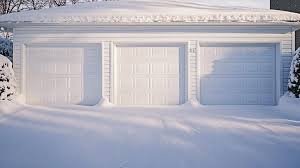
Why Does My Garage Door Not Close When It’s Cold?
Cold temperatures can affect multiple components of your garage door system. From metal contraction to sensor malfunctions, even a small temperature drop can disrupt normal operation.
Read too: Tc1 Tricode Garage Door Opener Remote W/ Clip Chamberlain: Complete Guide
Key Reasons Include:
- Metal parts contracting
- Thickened lubricants
- Misaligned safety sensors
- Frozen tracks or seals
- Weak remote batteries
According to industry maintenance reports, over 60% of garage door failures in winter are caused by temperature-related mechanical issues.
How Does Cold Weather Affect Garage Door Components?
Understanding the science behind the issue helps explain why your garage door won’t close when it’s cold.
1. Metal Contraction
When temperatures drop, metal contracts. This affects:
- Springs
- Tracks
- Hinges
Even slight contraction can cause misalignment, preventing smooth movement.
👉 Learn more about how temperature affects materials: https://en.wikipedia.org/wiki/Thermal_expansion
2. Thickened Lubrication
Lubricants become thicker in cold weather, which:
- Slows down moving parts
- Increases resistance
- Causes jerky motion
👉 Result: The opener may stop the door for safety reasons.
3. Sensor Misalignment
Garage doors rely on safety sensors to prevent accidents.
Cold weather can:
- Shift sensor alignment
- Create condensation or frost
- Block infrared signals
👉 If sensors can’t “see” each other, the door won’t close.
4. Frozen Tracks or Weather Seals
Moisture can freeze in:
- Door tracks
- Bottom rubber seal
This creates physical resistance, making the opener stop.
5. Reduced Battery Performance
Cold temperatures drain battery power faster.
Affected components:
- Remote controls
- Wireless keypads
👉 Weak signals can interrupt closing commands.
How to Fix a Garage Door That Won’t Close in Cold Weather
Now that you know why does my garage door not close when it’s cold, let’s fix it step by step.
Step-by-Step Troubleshooting Guide
Step 1: Inspect the Sensors
- Check alignment (both lights should be solid)
- Clean lenses with a dry cloth
- Remove any ice or debris
Step 2: Lubricate Moving Parts
Use a silicone-based lubricant:
- Apply to hinges, rollers, and tracks
- Avoid grease (it thickens in cold)
👉 Recommended temperature range: -10°C to 30°C (14°F to 86°F)
Step 3: Check for Ice Buildup
- Look along the bottom seal and tracks
- Melt ice using warm water (not boiling)
- Dry thoroughly to prevent refreezing
Step 4: Adjust the Close Force Setting
Your opener may think there’s an obstruction.
- Locate adjustment screws on opener unit
- Increase closing force slightly
- Test after each adjustment
⚠️ Do not over-adjust—it can be unsafe.
Step 5: Replace Remote Batteries
- Use fresh alkaline batteries
- Test from different distances
Step 6: Reset the System
- Unplug opener for 30–60 seconds
- Plug back in and test
Common Causes vs Quick Fixes
| Cause | Symptoms | Fix |
|---|---|---|
| Cold metal contraction | Jerky movement | Lubricate parts |
| Sensor blockage | Door reverses | Clean/re-align sensors |
| Frozen seal | Door stuck to ground | Melt ice |
| Weak battery | No response | Replace battery |
| Thick lubricant | Slow operation | Use silicone spray |
Preventive Maintenance Tips for Winter
To avoid asking why does my garage door not close when it’s cold again, follow these tips:
Winter Maintenance Checklist
- Lubricate all moving parts every 3 months
- Inspect weather stripping for cracks
- Keep tracks clean and dry
- Test sensors monthly
- Replace remote batteries before winter
Pro Tip
Garage door technicians recommend a full inspection before winter starts, as preventative care can reduce breakdown risk by up to 40%.
When Should You Call a Professional?
Some problems require expert help.
Call a technician if:
- Springs are broken (dangerous to fix yourself)
- Door is off-track
- Motor makes loud grinding noises
- Problem persists after troubleshooting
👉 Safety always comes first—garage doors weigh over 130–180 pounds on average.
Advantages vs Disadvantages of DIY Fixes
Pros
- Saves money
- Quick solutions
- Easy for minor issues
Cons
- Risk of injury
- May not solve root cause
- Requires basic tools
FAQ: Why Does My Garage Door Not Close When It’s Cold
1. Why does my garage door go down and then back up in cold weather?
This usually means the sensors are misaligned or detecting resistance. Check alignment and remove any ice buildup.
2. Can cold weather damage my garage door opener?
Yes, extreme cold can strain the motor and thicken lubricants, reducing efficiency over time.
3. How cold is too cold for a garage door?
Most garage doors function well down to -18°C (0°F), but issues may appear below that.
4. Should I lubricate my garage door in winter?
Absolutely. Use silicone-based lubricant, not grease, for best performance in cold conditions.
5. Why does my garage door remote stop working in the cold?
Cold temperatures weaken battery output. Replacing batteries usually fixes the issue.
6. Can I prevent my garage door from freezing shut?
Yes. Keep the area dry, apply seal conditioner, and ensure proper drainage around the garage.
Conclusion
So, why does my garage door not close when it’s cold? The answer usually comes down to temperature affecting metal parts, lubrication, sensors, or ice buildup. The good news is that most of these issues are easy to fix with simple maintenance and quick troubleshooting steps.
By taking preventive measures and understanding how your garage system works, you can keep your door running smoothly all winter long.
Leave a Reply